A charging cable is easy to take for granted until you need power somewhere without an available outlet. At home, a wall adapter usually does the job. In a car, a dedicated vehicle charger is more convenient. At a desk, a wireless charging stand can reduce cable clutter. Each option serves a slightly different purpose, which is why choosing charging accessories is less about finding one universal solution and more about understanding how you use your devices.
Among the available options, a portable power bank stands out because it stores electricity for later use. However, it is only one part of a much broader charging setup. Knowing the main types of chargers can help you decide which accessories are worth carrying, keeping at your desk, or placing around your home.
Start With the Source of Power
The most useful way to compare chargers is to consider where they get their electricity and when they are practical.
- Wall chargers connect directly to a household outlet. They are common for everyday phone and tablet charging, with models available at different power levels and with different port configurations. A compact adapter may be enough for a phone, while a higher-output option can support compatible tablets or laptops.
- Computer USB ports offer another way to charge smaller devices. They can be convenient when working at a desk, although charging performance depends on the computer’s port and power capabilities. They are not always the fastest choice, but they can reduce the number of adapters needed in a workspace.
- Car chargers connect to a vehicle’s power outlet or supported USB port. They are useful for keeping a phone charged during a commute, especially when using navigation. Check the charger’s output and your vehicle’s connection before buying one.
These options rely on an available power source. That limitation becomes more noticeable when you spend time outdoors or travel between places.
When Stored Energy Makes More Sense
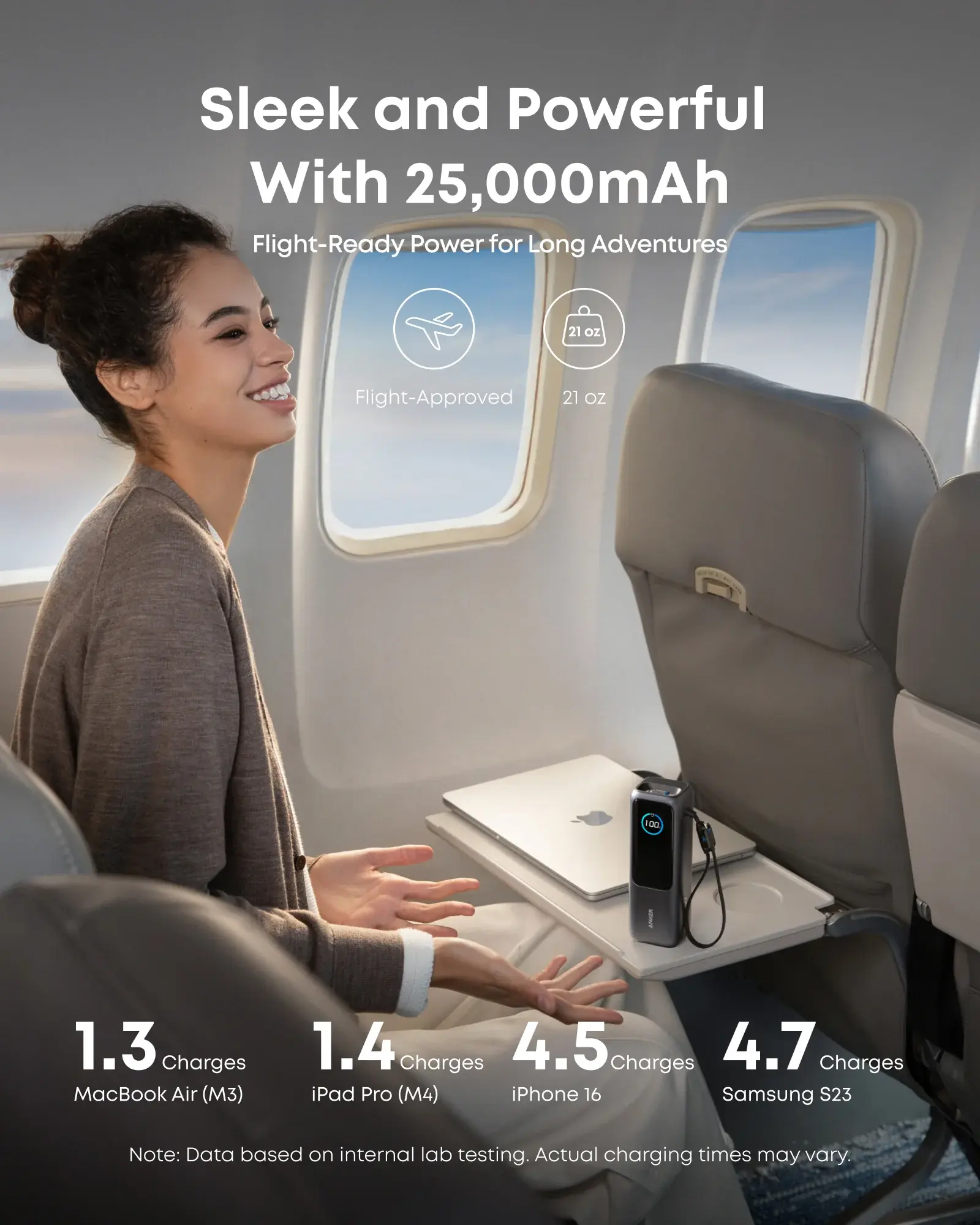
A power bank works differently from a wall adapter. It contains a rechargeable battery that you fill in advance and use later to charge another device. This makes it useful during long commutes, outdoor activities, conferences, and travel days when finding an outlet is inconvenient. Capacity is one of the first specifications people notice. It is usually listed in milliamp-hours (mAh), but this figure should not be treated as an exact prediction of how many times a phone will recharge. Energy conversion creates losses, and the actual result depends on the devices and charging conditions.
Output is just as important. Look for supported charging standards and wattage, especially if you plan to charge a tablet or laptop. USB-C Power Delivery is widely used for compatible modern devices, but not every port or cable supports the same performance. Size also deserves attention. A small model may provide enough backup for everyday use and fit easily into a pocket or handbag. A larger unit can store more energy, but it may be heavier and less convenient to carry. The best balance depends on how long you are usually away from a wall outlet.
Wireless Charging: Convenience Without the Cable
Wireless chargers transfer power without requiring a cable to be plugged directly into the device. A charging pad is a familiar option for a bedside table or office desk, while a stand can hold a phone upright so notifications remain visible.
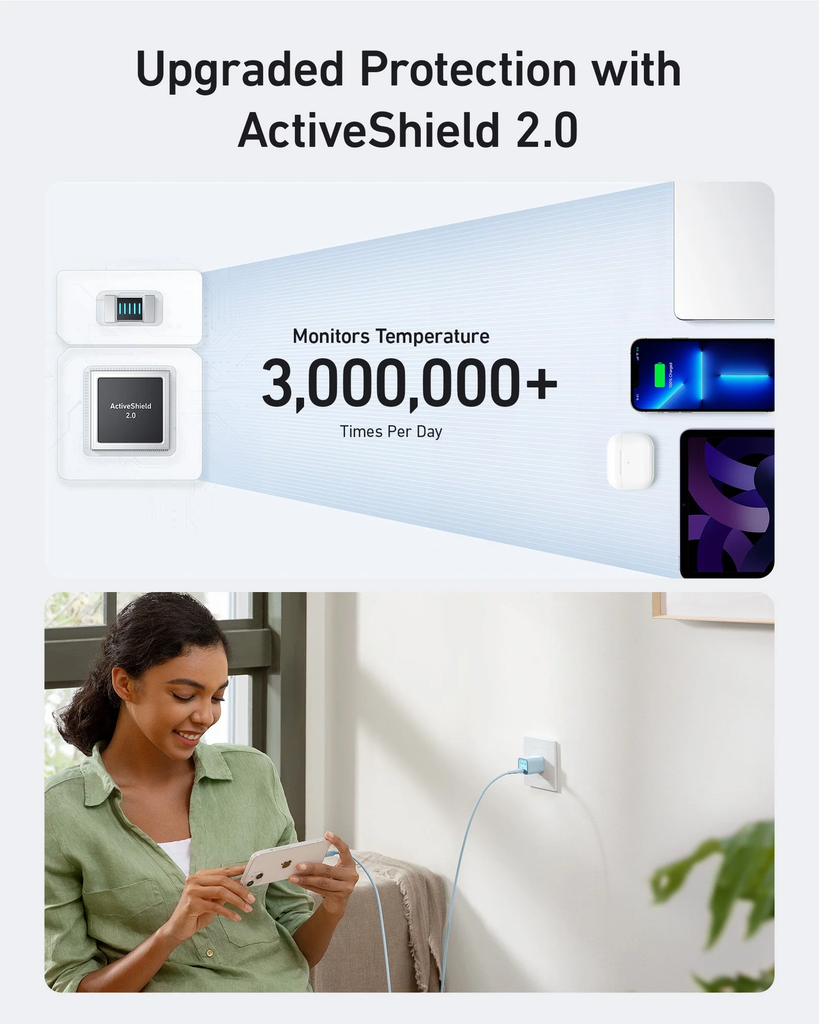
Convenience comes with a few considerations. The phone must support the relevant wireless charging standard, and alignment can affect performance. Thick cases or accessories may interfere with charging, depending on the product. Wireless charging can also generate more heat than a suitable wired setup, so keep the phone and charging surface clear of materials that trap heat. Some portable batteries include wireless charging features. These can reduce the need to carry a separate cable, but compatibility and charging speed should be checked before purchase.
Multi-Device Charging for Busy Workspaces
Among the different types of chargers, a charging station is designed to organize several devices in one place. Depending on its design, it may provide multiple USB ports, wireless charging areas, or dedicated spaces for phones, earbuds, and smartwatches. This kind of setup is particularly useful for households where several people charge devices overnight or for workspaces with multiple accessories. Rather than filling every outlet with a separate adapter, users can manage connections from one central location.
However, a charging station is not automatically faster than individual chargers. Its total power is shared across connected devices, and the available output may change depending on how many are plugged in. Review the power distribution details before relying on it for demanding devices.
Build a Collection That Matches Your Routine
You probably do not need every category of charger. A wall adapter may handle most charging at home, a car charger can support driving days, and a portable battery can cover situations where outlets are unavailable. A wireless pad or multi-device station may make sense when convenience and organization are priorities.
When comparing products, examine the supported devices, charging standards, cable requirements, power output, and safety features. Look for clear specifications and reliable customer support rather than choosing based only on appearance or the number of ports. Brands such as Anker offer different charging accessories, but the most suitable option still depends on your own equipment and habits.
Final Thoughts
Different chargers solve different problems. Wall adapters provide regular access to power, wireless pads simplify everyday charging, car chargers are useful on the road, and power banks offer energy when outlets are out of reach. Once you understand these differences, it becomes easier to build a practical setup without buying accessories you rarely use. Start with your daily routine and choose the charging options that genuinely make it easier.
FAQs
Is a portable power bank the same as a wall charger?
No. A wall charger draws electricity from an outlet, while a power bank stores energy in an internal battery for use later.
Which charger is best for everyday phone use?
A compatible wall adapter is usually practical at home or work. A power bank is useful as backup when you are away from an outlet.
Are wireless chargers suitable for every smartphone?
No. The phone must support a compatible wireless charging standard. Check the device and charger specifications before purchasing.
Can a multi-device charging station charge a laptop?
Some can, but only when their power output and charging standards meet the laptop’s requirements. Check the maximum output available to the relevant port.
How should I choose a power bank’s capacity?
Consider how often you need backup power, which devices you carry, and how much weight you are comfortable bringing along. Capacity is a comparison guide, not a guarantee of a specific number of recharges.
Also Read
- https://grammarthat.com/beyond-bedside-care-finding-your-path-in-advanced-nursing
- https://grammarthat.com/how-to-post-a-travel-map-on-facebook-a-step-by-step-guide-for-2026/
- https://grammarthat.com/how-to-follow-an-audit-trail-from-a-customer-complaint-to-its-root-cause/