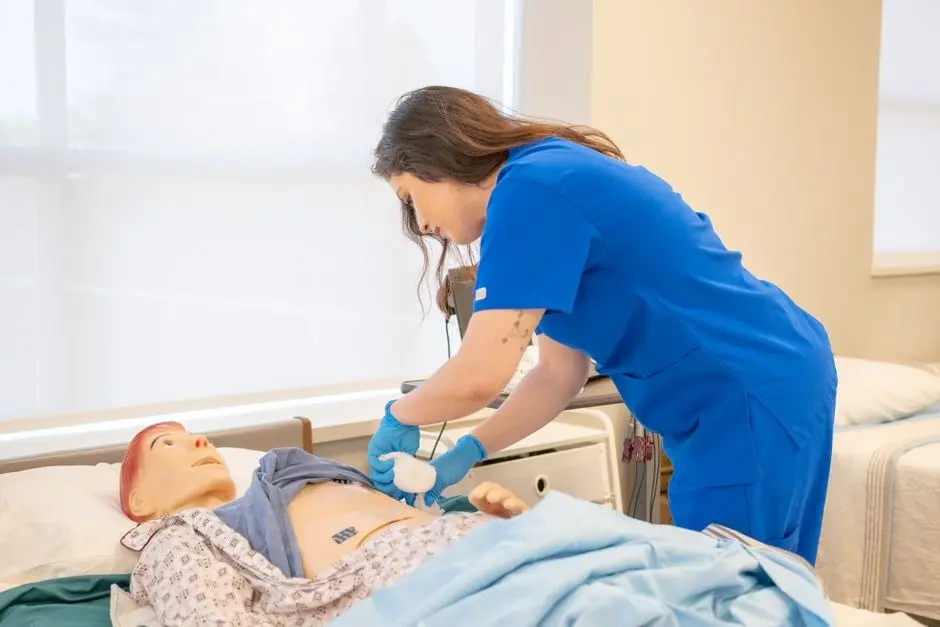
Moving into advanced practice nursing can change your responsibilities. You may assess complex symptoms, make clinical decisions, and coordinate ongoing care. The route requires graduate education, certification, and planning. Understand the roles, demands, and professional expectations before committing.
Understand What Advanced Practice Really Means
Advanced practice registered nurses, or APRNs, are registered nurses with graduate-level preparation for defined clinical roles. Training includes advanced assessment, pharmacology, and clinical decision-making. Depending on their credentials and applicable regulations, they may diagnose conditions, order tests, manage treatment, or prescribe medications.
For nurses considering a more specialized career, understanding the scope of advanced practice nursing is an important first step. A common question is, what is an APRN? The term refers to a group of advanced nursing roles that require specialized education, clinical training, and professional certification. While these roles share a strong foundation in patient care, each comes with distinct responsibilities, qualifications, and career opportunities. Understanding these differences can help nurses choose a path that aligns with their interests and long-term goals.
Explore Four Roles With Different Responsibilities
Nurse practitioners often assess, diagnose, and manage patients in primary or specialty care. Clinical nurse specialists combine advanced clinical expertise with consultation, staff development, and improvements in care delivery. Certified nurse-midwives focus on reproductive and maternity care, while certified registered nurse anesthetists provide anesthesia-related services and monitor patients around procedures.
These roles require different educational preparation and certifications. Patient populations and workplace demands also vary. A nurse practitioner working with children faces different clinical questions from one supporting adults with complex chronic conditions.
The APRN Consensus Model outlines the four recognized roles and the population-focused preparation expected of advanced practice nurses. Use it to understand the profession’s structure before selecting a specialty.
Map the Education and Licensing Requirements
Most candidates begin by qualifying as registered nurses and gaining a foundation in clinical practice. Advanced preparation then involves an appropriate graduate program, supervised clinical experiences, and a certification examination aligned with the intended role and patient population.
Program requirements deserve close attention. Some pathways accept applicants with a bachelor’s nursing degree; others provide bridge options or post-graduate certificates for nurses who already hold advanced credentials. Nurse anesthesia education has additional doctoral preparation requirements.
Licensure and practice authority are not identical everywhere. Requirements for independent practice, collaboration, and prescribing can differ across jurisdictions. Before enrolling, confirm that the program supports certification and licensure where you intend to work. An attractive course schedule means little if it does not meet those essential conditions. Verify accreditation and placement support before applying, especially when clinical hours must fit around existing work and family commitments.
Picture the Work Beyond the Job Description
An advanced nursing career involves far more than performing assessments. Depending on the role, a typical day may include reviewing test results, discussing treatment choices, documenting decisions, consulting colleagues, and explaining complex information to patients and families.
Some positions involve scheduled appointments and long-term relationships. Others require rapid decisions during procedures or acute illness. Administrative responsibilities, electronic records, and follow-up communication can occupy substantial time alongside direct patient care.
The work can be rewarding, but greater authority also means greater accountability. Ask about routines, difficult cases, and clinical support. Shadowing a qualified professional, when permitted, can reveal details that program brochures rarely capture.
Consider Demand Without Chasing Salary Alone
Employment prospects are one reason advanced practice attracts attention. The occupational outlook for nurse practitioners, nurse-midwives, and nurse anesthetists projects substantial employment growth over the coming decade. Its figures also show that earnings differ significantly by occupation and work setting.
Those numbers are useful context, not promises about an individual career. Compensation depends on experience, specialty, employer, responsibilities, and location. Schedules also vary: some roles follow predictable clinic hours, while others involve nights, weekends, or on-call duties.
Look beyond a headline salary. Consider whether the work matches your interests, whether jobs are available in your preferred setting, and whether the financial return justifies your education costs and time commitment.
Develop Judgment Alongside Clinical Knowledge
Graduate coursework can deepen scientific knowledge, but safe advanced practice also depends on communication and judgment. Patients may arrive with incomplete histories, conflicting symptoms, or concerns that are difficult to express. Listening carefully is as important as knowing which test to order.
Advanced nurses must recognize uncertainty, seek consultation when appropriate, and communicate treatment decisions clearly. They also need to manage competing priorities without allowing speed to undermine accuracy.
Leadership does not always mean supervising a team. It can involve speaking up about unsafe practices, helping colleagues understand evidence, or improving how care is coordinated. Confidence matters, but so does the willingness to reconsider a conclusion when new information emerges.
Be Realistic About the Demands of Training
Returning to school while working can create considerable pressure. Clinical placements, assignments, and examination preparation may compete with family responsibilities and paid employment. Tuition is only part of the cost; reduced working hours, travel, and required materials may affect your budget.
Ask programs how clinical placements are arranged, what attendance is required, and which support services are available. Compare graduation requirements rather than relying solely on advertised completion times.
The profession itself can be demanding. Emotional fatigue, complex decisions, and heavy documentation are real concerns. Strong mentorship, healthy boundaries, and a sustainable workload matter long after graduation. Planning for those realities is preparation, not pessimism.
Choose the Path That Matches Your Priorities
Start by identifying the patients and problems you most want to work with. Then compare roles, required credentials, clinical responsibilities, and realistic career opportunities. Speak with practicing professionals and ask what surprised them after qualifying.
A meaningful decision should account for the parts of the job that are less visible: documentation, difficult conversations, ongoing education, and professional accountability. Consider whether you enjoy making decisions under uncertainty and collaborating with other clinicians.
Advanced practice nursing offers opportunities to influence patient care and develop specialized expertise. It is not simply a promotion from bedside nursing. Choose it because the responsibilities and learning appeal to you, not because the title sounds impressive. A thoughtful choice now can support a more satisfying career later.
Also Read
- Innate vs. Enate Homophones: Spelling & Definition
- NSFW Meaning in Text: Usage, Examples & More
- Inclosed vs Enclosed: What’s the Real Difference?