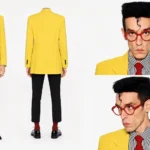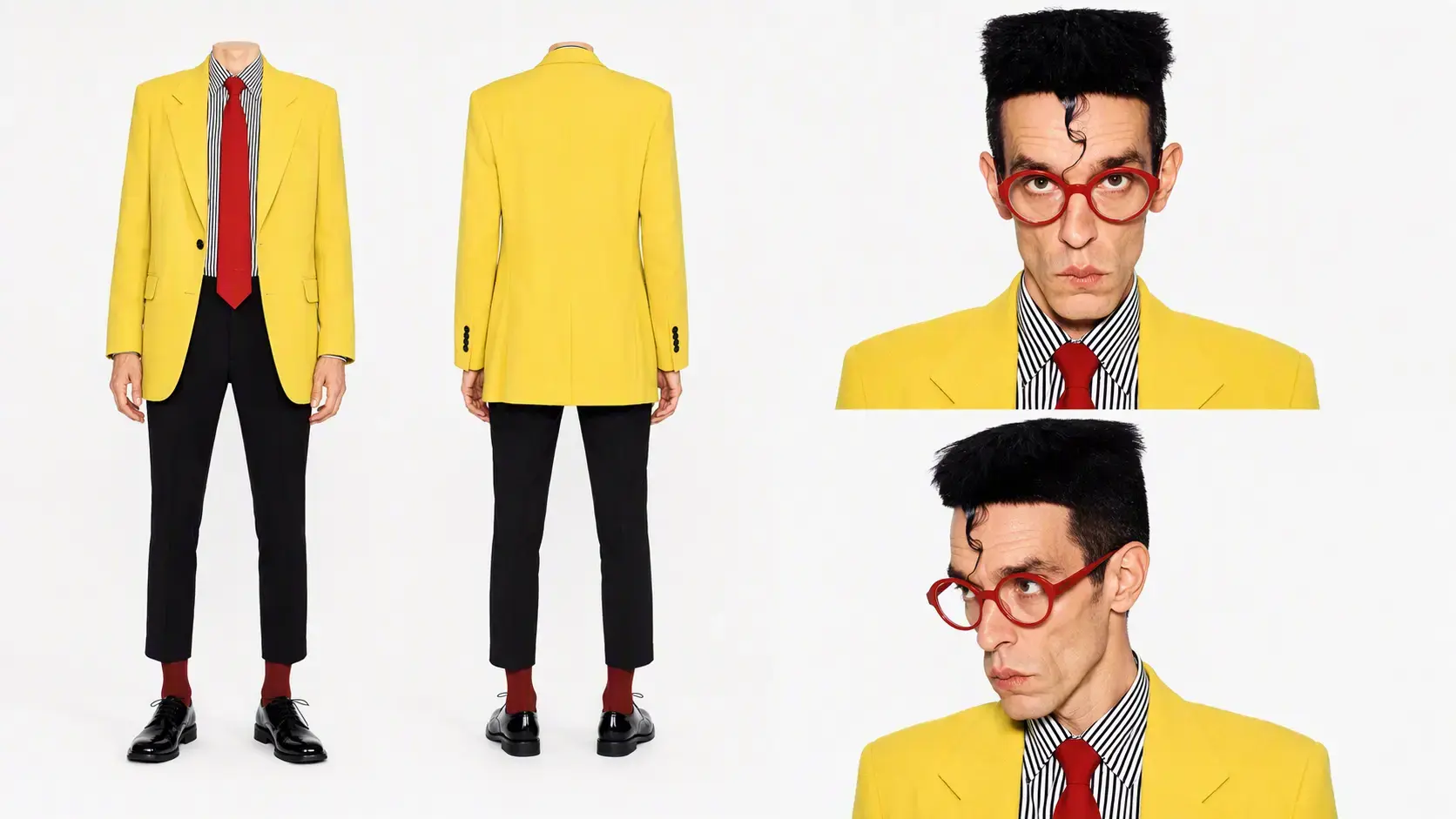
Social media platforms used to be dominated by individuals sharing daily updates, outfits, and personal experiences. Now technology is opening up opportunities for a whole new breed of online personalities who don’t need a real human face behind them to engage their audience. Thanks to tools like Dreamina, the creators can work with digital characters, invent their appearance, and generate a variety of cool visual materials. Computer-made online personalities like this were given the term ‘AI influencer‘ and gradually became an element of popular culture. They open the doors for marketing in various industries through product endorsements and also give content creators more options.
Regularly Producing Interesting Posts
Constant posts on a website are essential in gaining and maintaining an online presence,e but that does not mean that just random images posted will suffice. Every post or piece of content should connect to both the person making it and the character or concept of the content. A virtual travel influencer would probably make posts about different places they’ve been, tips on how to travel cheaply, and a lot of information about a location, etc. A digital fashion one might be sharing outfit looks and talking about different styles of the season. When a stream of posts all revolve around a meaningful story, the account becomes more appealing and complete.
Virtual Personalities in Beauty and Lifestyle
A lot of content in the beauty and lifestyle industry is based on visual elements, making virtual characters a perfect fit. The digital character may show up in campaign visuals inspired by skincare, makeup ideas, or hairstyle looks, as well as casual and lifestyle situations. The brand can share some unique campaign ideas or even introduce new products through the use of these visuals.
The Use of AI Influencers in Marketing
Companies always try to find new ways of unveiling their products and capturing the attention of customers. Virtual characters or personalities offer them yet another avenue to promote their products by being virtual marketing ambassadors. One example is when a company designs a digital persona representing the core values of the brand and gets that persona featured in the chosen ads. Another great case could be a tech brand that wants to share product knowledge but without the user needing to be an expert. A digital influencer could become such an expert in sharing product info.
Benefits for Small Businesses
Small businesses often face an uphill battle when it comes to hiring top models, having great quality photos of the product and doing expensive advertisement campaigns that are done on regular basis. Digital characters can be their great allies in trying out new visual concepts and also having very few resources devoted to production. The business can go through various creative styles until they finally choose the one that suits the customer best.
Of course, the campaigns will not always be inexpensive or successful, but it’s a different means through which smaller companies can try new things in content creation, thus being open to different results.
Building trust with Online Audiences
Influencer marketing revolves mainly around trust. Many fans follow their favorite influencer because they truly believe in what the influencer recommends, apart from the fact that they also like the content of the influencer. Since a virtual character cannot really be said to have had life experiences it might have shared, those people responsible for the character should explain clearly to people the fact that it is not real or human. In other words, the people making the video should not fabricate fictional stories, pretend to have used a product, or represent the characters’ made-up experiences as their real-life counterparts. Openness, honesty, and clarity help in explaining things to the audience and, at the same time, they are a way to ensure that the companies stay trustworthy and reputable brands online.
The Future of Digital Influencers
Thanks to artificial intelligence, the production and sharing of content will continue to evolve.
Virtually, people will be more expressive, detailed, and interactive as the technology for pictures and videos keeps advancing. A lot of brands will be able to use these virtual people for tailored campaigns, whereas independent creators are going to use virtual characters for creating new kinds of digital entertainment. At the same time, people would like to know where the content is coming from; they would value unique ideas and also trust the audience. A good idea of a successful virtual persona will probably include the combination of creative technologies and meaningful storytelling.
Conclusion
Artificial intelligence influencers are opening up brand new possibilities for social networking, marketing, and digital storytelling. With the help of AI influencers, individuals can not only construct a well-known image to the public but also play around with a range of styles in pictures as well as create a variety of content aimed at the right audience. The businesses as well can try marketing ideas and launch products in different, and creative ways.
However, a few things have to do with being successful not only just about the visuals but a brand should be unique, it has to keep on publishing good content, and stay honest, besides that, it needs to be consistent. It is when these four characteristics are brought together that a character will become a key part of a modern digital marketing plan.
Frequently Asked Questions
1. Can Anyone Create an AI Influencer?
Without a doubt. Any person who is a beginner, content creator, or businessperson is capable of creating digital avatars that they can use to communicate with their potential buyers. A starting blueprint, followed by the development of a consistent image style, is really the easiest way.
2. How Do AI Influencers Make Money?
There are different income streams for AI Influencers. For example, the influencer gets paid for a brand collaboration, a promotional post, advertising campaigns, etc.
Revenue is based solely on the level of interaction from the audience and the quality of content produced by the influencer.
Also Read
- https://grammarthat.com/beyond-bedside-care-finding-your-path-in-advanced-nursing
- https://grammarthat.com/how-to-post-a-travel-map-on-facebook-a-step-by-step-guide-for-2026/
- https://grammarthat.com/how-to-follow-an-audit-trail-from-a-customer-complaint-to-its-root-cause/