Choir vs. Chorus: The Real Difference 2026
Choir usually refers to a formally organized vocal group in churches, schools, or concerts, while chorus often means a larger ...
Read moreDual vs. Duel: The Real Difference 2026
Dual means something with two parts, functions, or aspects, while duel refers to a formal fight or direct contest between ...
Read moreChoose vs. Select: The Real Difference 2026

Choose is the everyday word for making personal decisions, while select sounds more formal and deliberate. Both mean to pick ...
Read moreAwoke vs. Woke: The Real Difference 2026
“Woke” is the common past tense of wake, while “awoke” is a more formal and literary alternative. Both are correct ...
Read moreInnate vs. Enate Homophones: Spelling & Definition
Innate refers to qualities present from birth, while enate describes relationships traced through the mother’s side of the family. They ...
Read moreNor Do I vs. Neither Do I: The Real Difference 2026
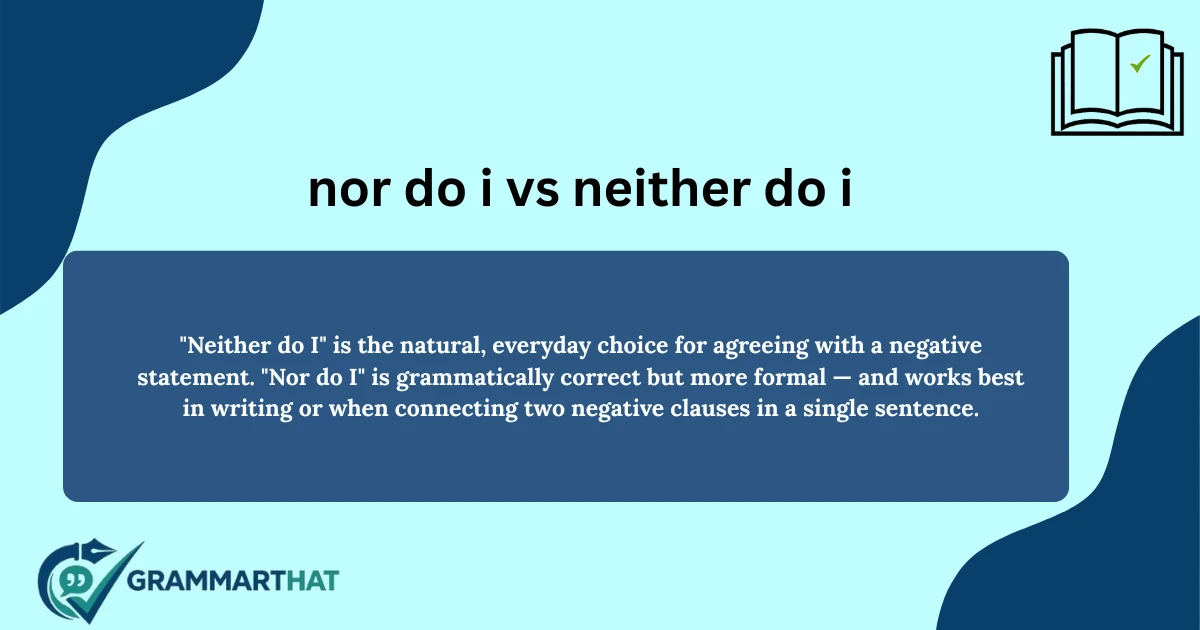
“Neither do I” is the common everyday response to a negative statement, while “Nor do I” sounds more formal. Both ...
Read moreHail vs. Hale: What’s the Difference?
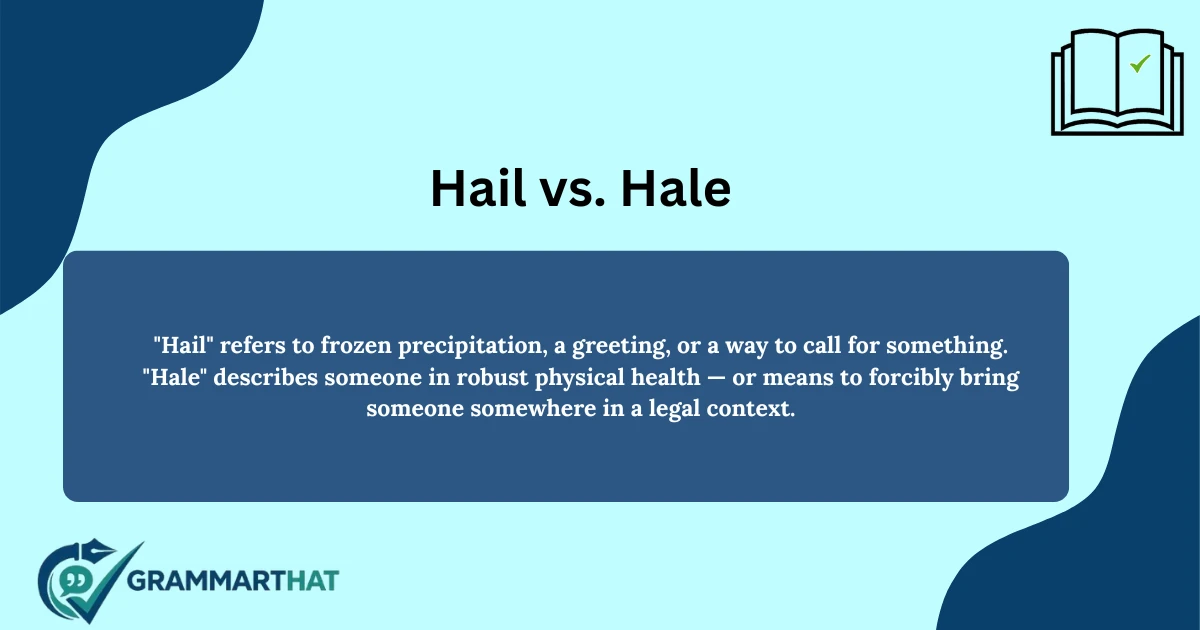
Hail and hale sound the same but have different meanings. Hail relates to weather, greetings, or calling, while hale describes ...
Read moreTrawling vs. Trolling: The Real Difference 2026
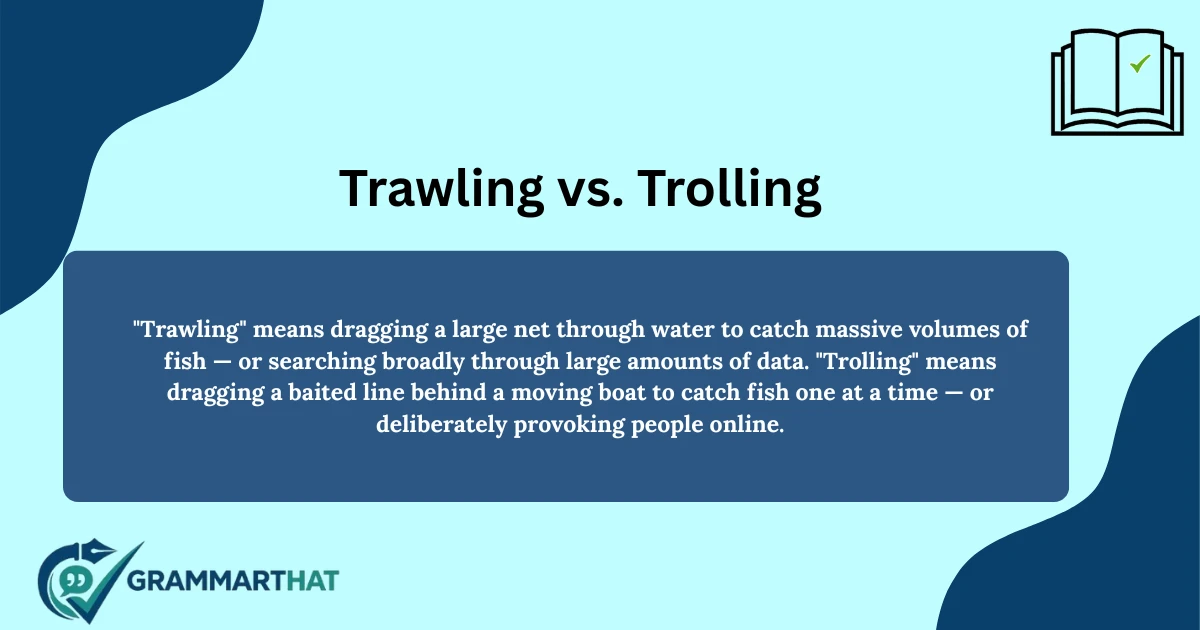
Trawling means dragging a net or searching through large amounts of information, while trolling means fishing with a line or ...
Read moreResister vs. Resistor: The Real Difference 2026
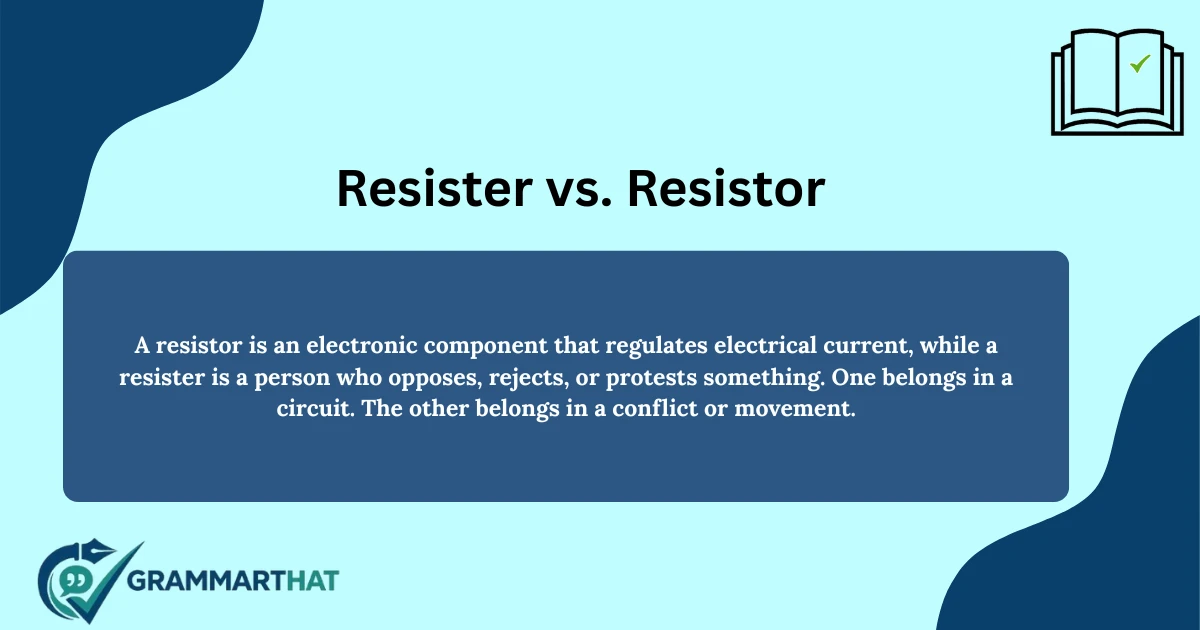
“Resistor” is an electronic component that controls electrical current, while a “resister” is a person who opposes or protests something. ...
Read morePer Say or Per Se: Which One Is Correct? 2026
“Per se” is correct. “Per say” is a misspelling and is not recognized in any standard dictionary or style guide. ...
Read more