Innate vs. Enate Homophones: Spelling & Definition
Innate refers to qualities present from birth, while enate describes relationships traced through the mother’s side of the family. They ...
Read more“Learned” or “Learnt”? Which Is Correct? 2026
“Learned” and “learnt” are both correct past tense forms of learn. Learned is more common in American and Canadian English, ...
Read moreNor Do I vs. Neither Do I: The Real Difference 2026
“Neither do I” is the common everyday response to a negative statement, while “Nor do I” sounds more formal. Both ...
Read moreCanceled or Cancelled: The Real Difference 2026
“Canceled” and “cancelled” are both correct spellings with the same meaning. Canceled is common in American English, while cancelled is ...
Read moreTheatre or Theater: The Real Difference 2026
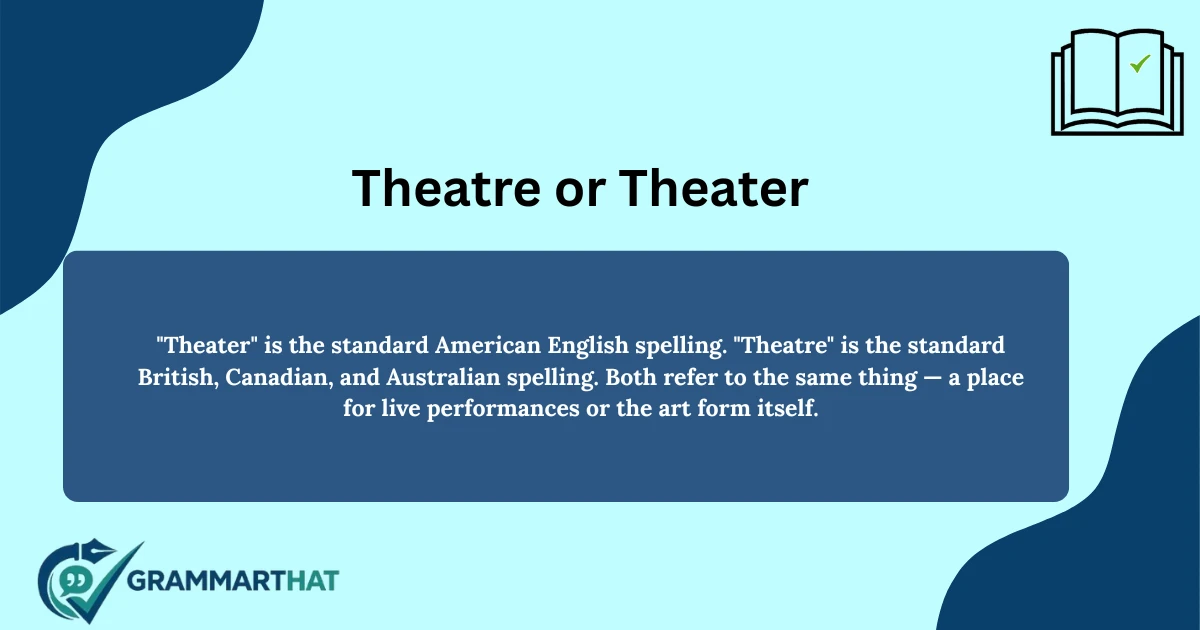
“Theater” and “theatre” are both correct spellings for live performance venues and dramatic arts. Theater is common in American English, ...
Read moreHail vs. Hale: What’s the Difference?
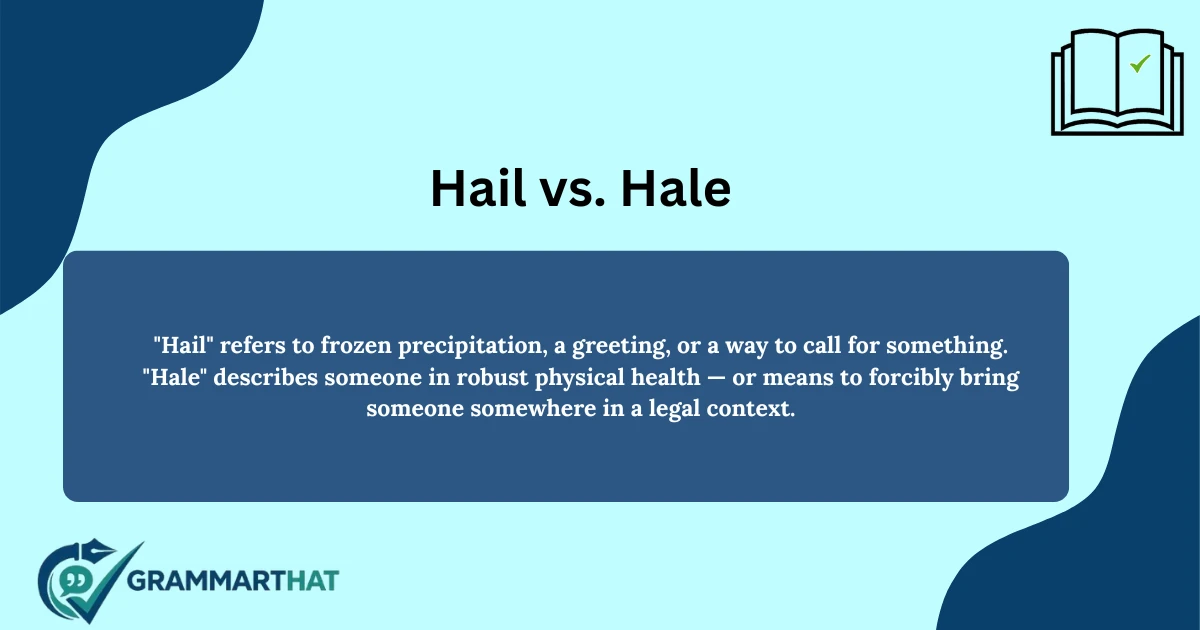
Hail and hale sound the same but have different meanings. Hail relates to weather, greetings, or calling, while hale describes ...
Read moreTrawling vs. Trolling: The Real Difference 2026
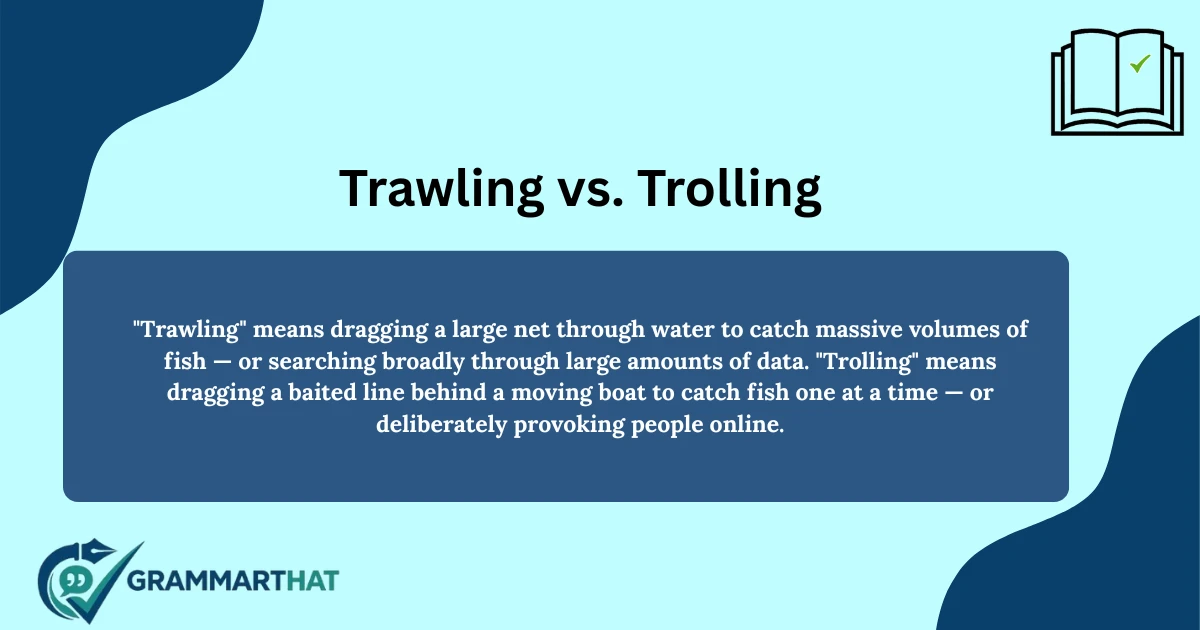
Trawling means dragging a net or searching through large amounts of information, while trolling means fishing with a line or ...
Read moreModelling or Modeling: The Real Difference 2026
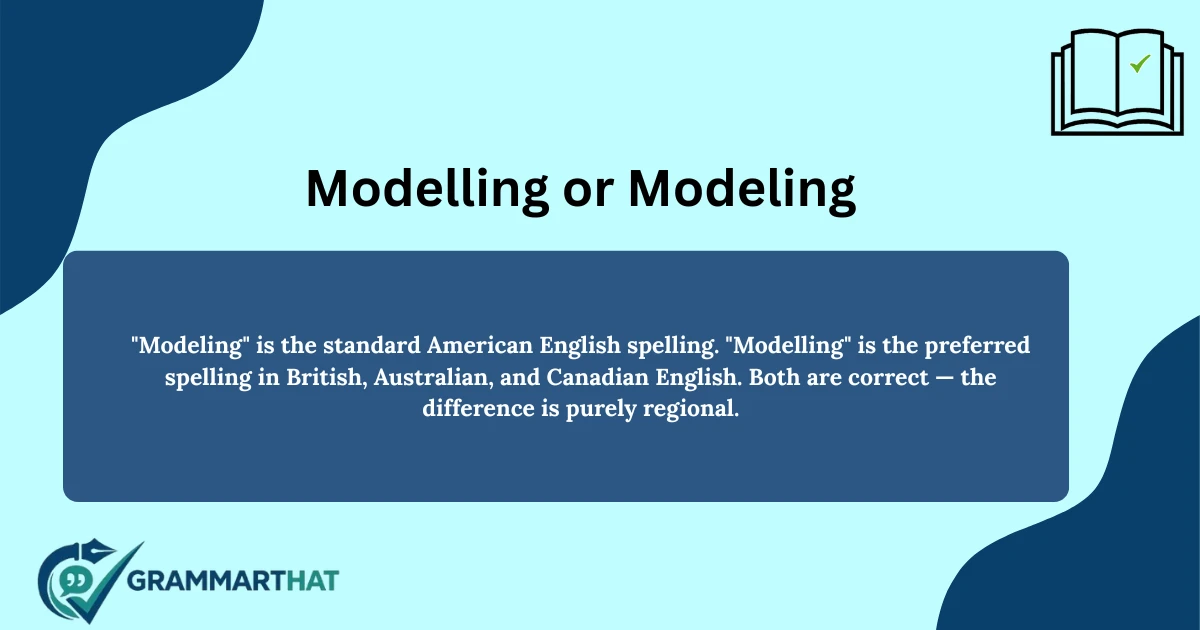
“Modeling” and “modelling” are both correct spellings with the same meaning. Modeling is standard in American English, while modelling is ...
Read moreResister vs. Resistor: The Real Difference 2026
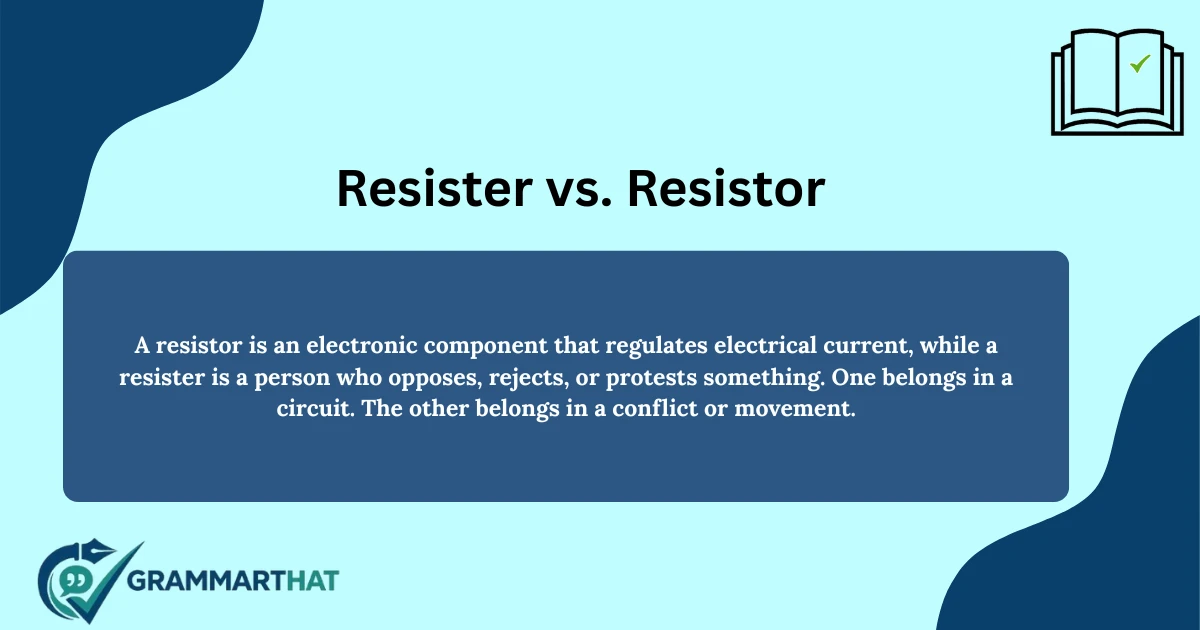
“Resistor” is an electronic component that controls electrical current, while a “resister” is a person who opposes or protests something. ...
Read moreCheque vs. Check: The Real Difference 2026
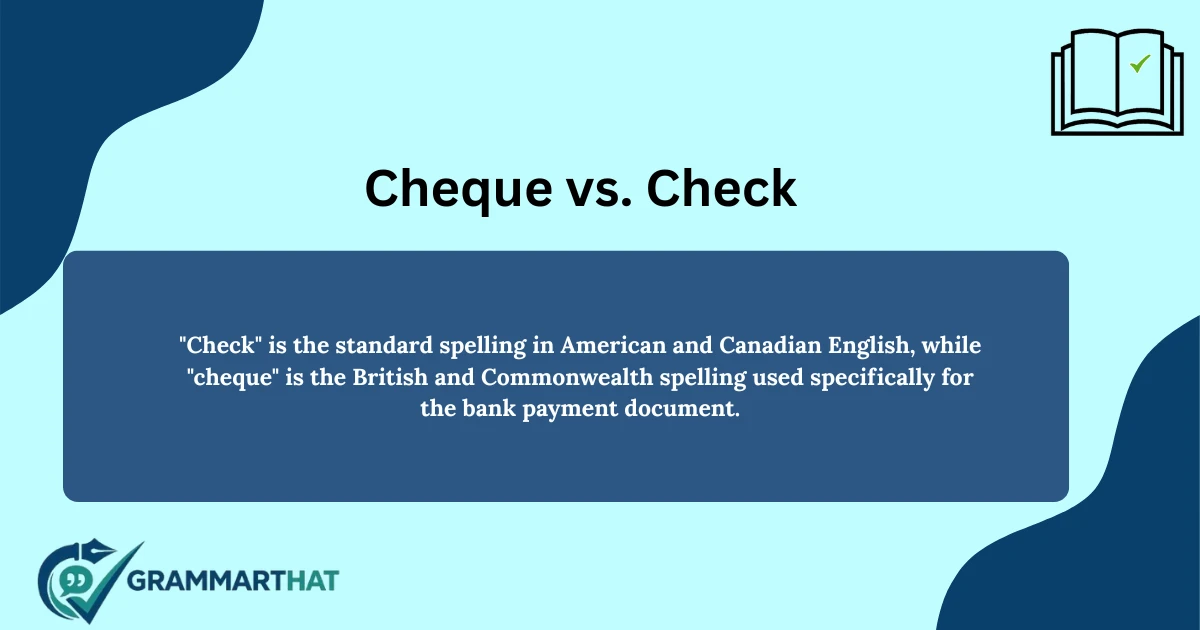
“Check” and “cheque” refer to the same bank payment document. Check is the American spelling, while cheque is used in ...
Read more