Leaned or Leant: The Real Difference
“Leaned” is the standard American English past tense of lean, while “leant” is preferred in British, Canadian, Australian, and other ...
Read moreChoir vs. Chorus: The Real Difference 2026
Choir usually refers to a formally organized vocal group in churches, schools, or concerts, while chorus often means a larger ...
Read moreDual vs. Duel: The Real Difference 2026
Dual means something with two parts, functions, or aspects, while duel refers to a formal fight or direct contest between ...
Read moreSmelled or Smelt: The Real Difference 2026
“Smelled” is the standard American and Canadian English past tense of smell, while “smelt” is more common in British and ...
Read moreSpelt or Spelled? | Spelling, Difference & Examples
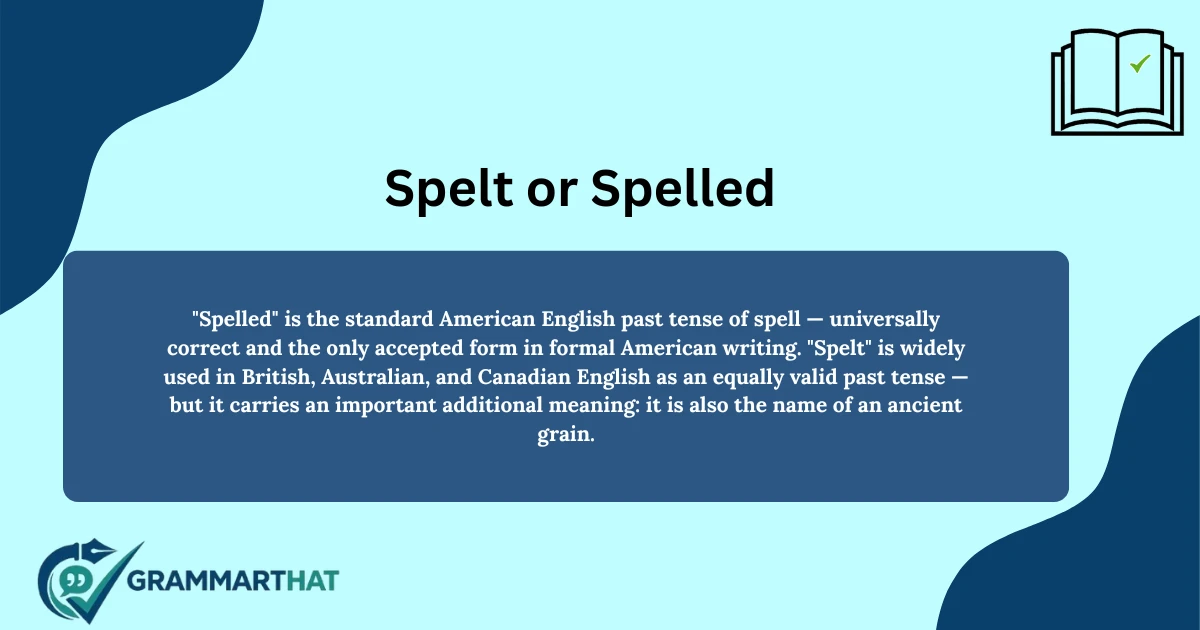
“Spelled” is the standard American English past tense of spell, while “spelt” is more common in British, Australian, and Canadian ...
Read moreRancor vs Rancour: Meaning, Difference, Usage & Examples
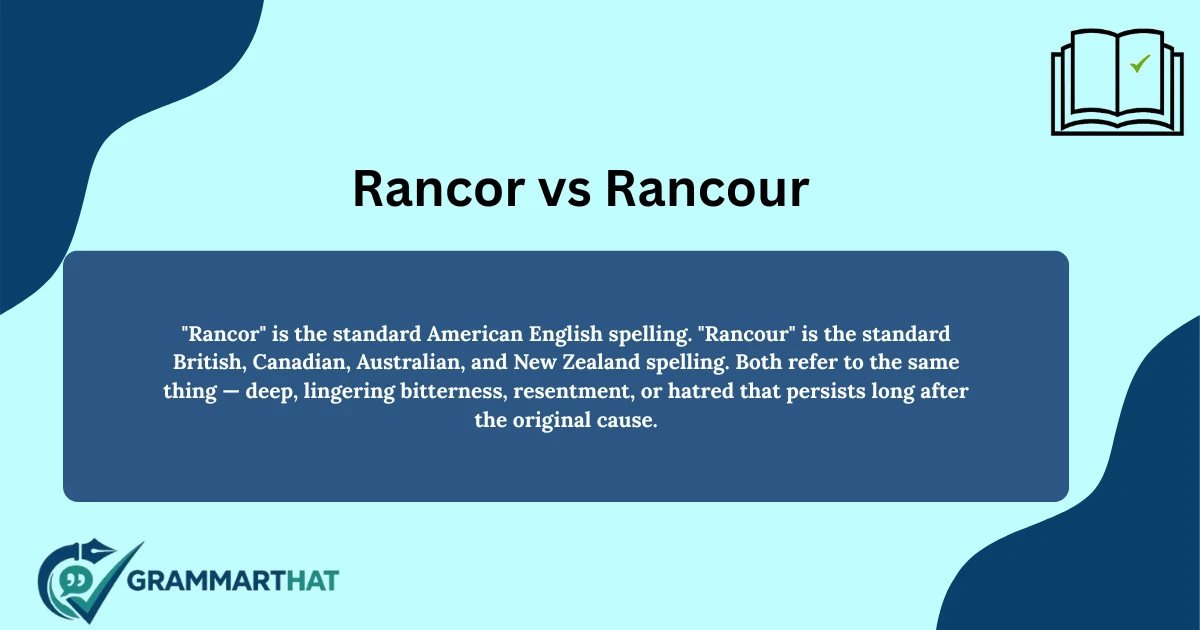
“Rancor” is the standard American English spelling, while “rancour” is preferred in British, Canadian, Australian, and New Zealand English. Both ...
Read moreBurned or Burnt: The Real Difference 2026
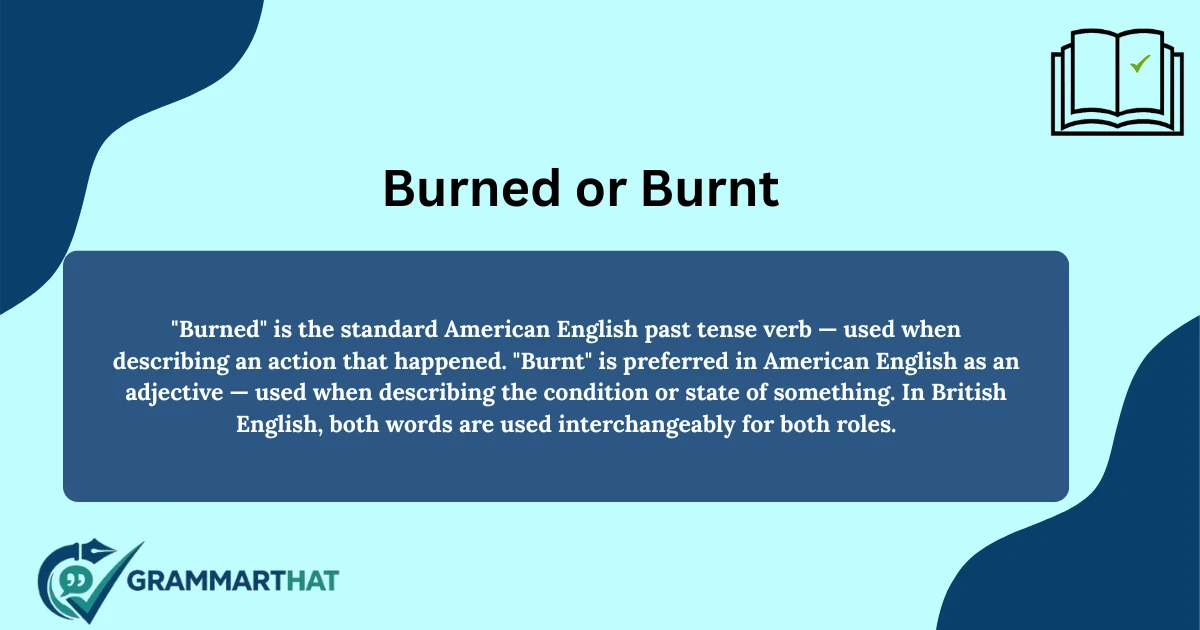
“Burned” is the standard American English past tense of burn, while “burnt” is commonly used as an adjective (such as ...
Read moreChoose vs. Select: The Real Difference 2026
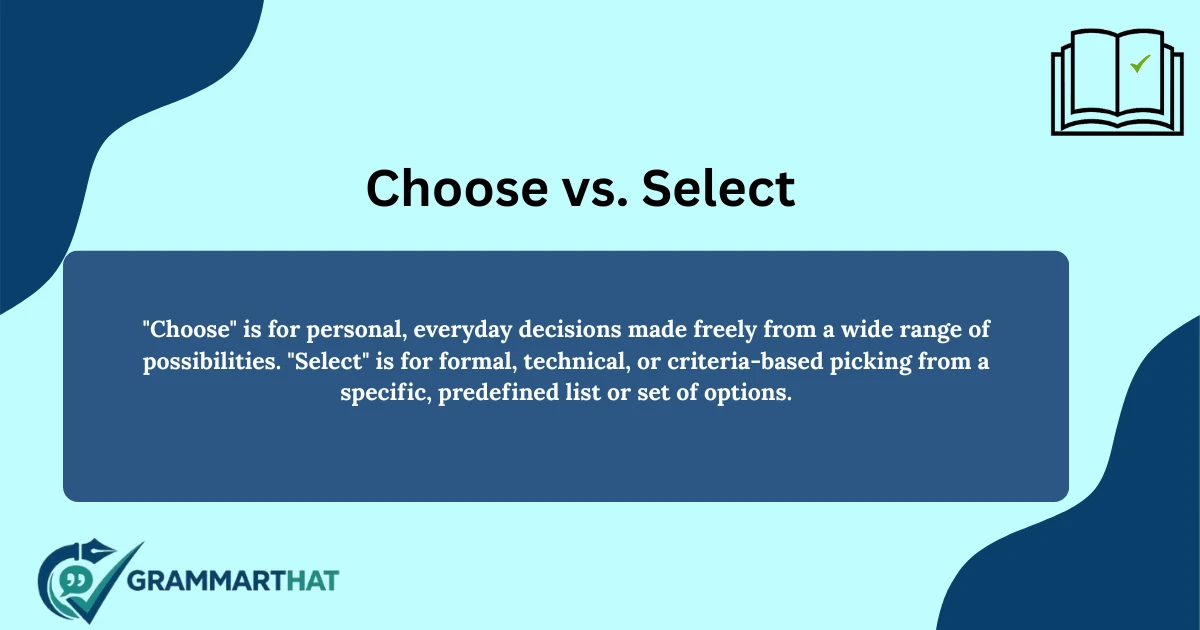
Choose is the everyday word for making personal decisions, while select sounds more formal and deliberate. Both mean to pick ...
Read moreDreamed or Dreamt: The Real Difference 2026
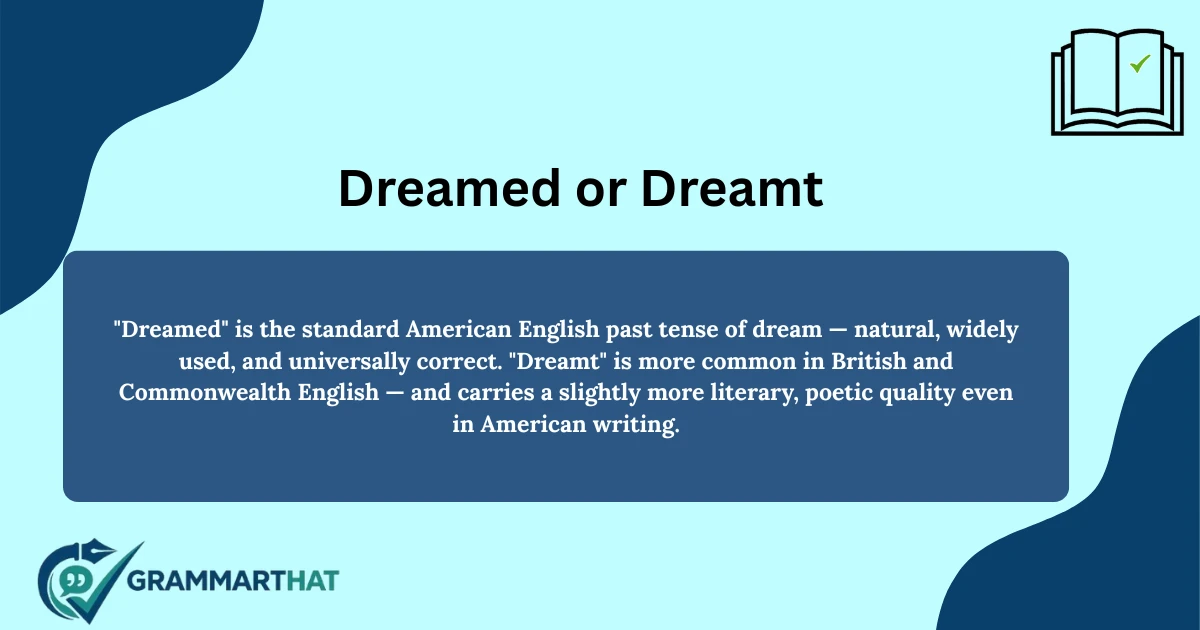
“Dreamed” is the standard American English past tense of dream, while “dreamt” is more common in British and Commonwealth English. ...
Read moreAwoke vs. Woke: The Real Difference 2026
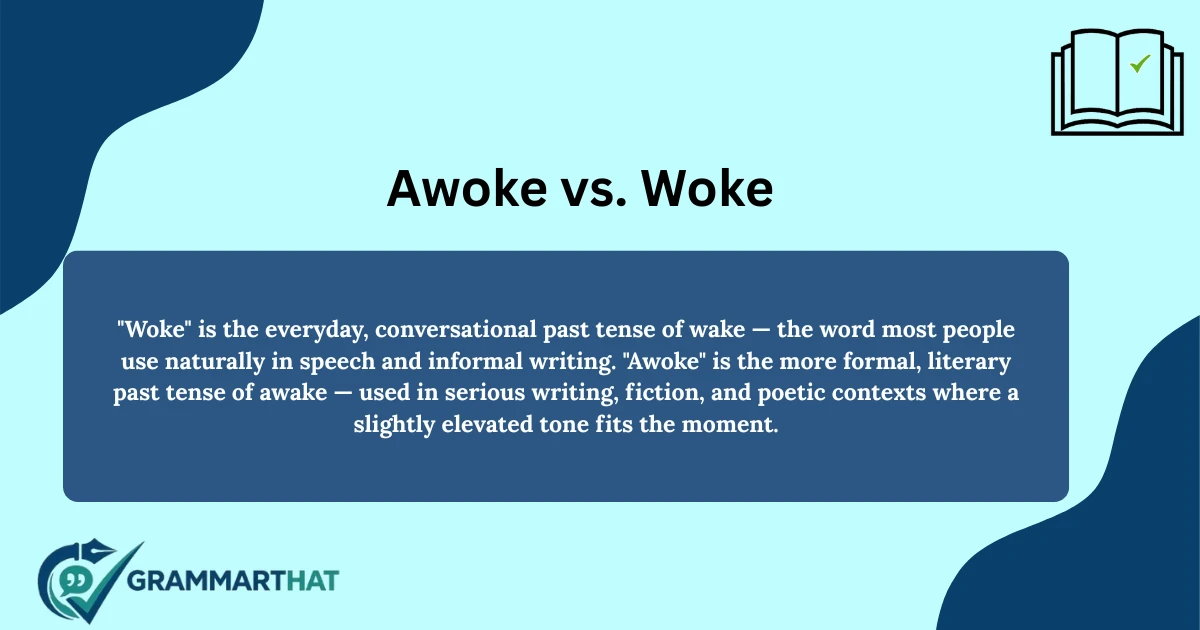
“Woke” is the common past tense of wake, while “awoke” is a more formal and literary alternative. Both are correct ...
Read more