Choose vs. Select: The Real Difference 2026
Choose is the everyday word for making personal decisions, while select sounds more formal and deliberate. Both mean to pick ...
Read moreDreamed or Dreamt: The Real Difference 2026

“Dreamed” is the standard American English past tense of dream, while “dreamt” is more common in British and Commonwealth English. ...
Read moreAwoke vs. Woke: The Real Difference 2026
“Woke” is the common past tense of wake, while “awoke” is a more formal and literary alternative. Both are correct ...
Read moreInnate vs. Enate Homophones: Spelling & Definition
Innate refers to qualities present from birth, while enate describes relationships traced through the mother’s side of the family. They ...
Read more“Learned” or “Learnt”? Which Is Correct? 2026
“Learned” and “learnt” are both correct past tense forms of learn. Learned is more common in American and Canadian English, ...
Read moreNor Do I vs. Neither Do I: The Real Difference 2026
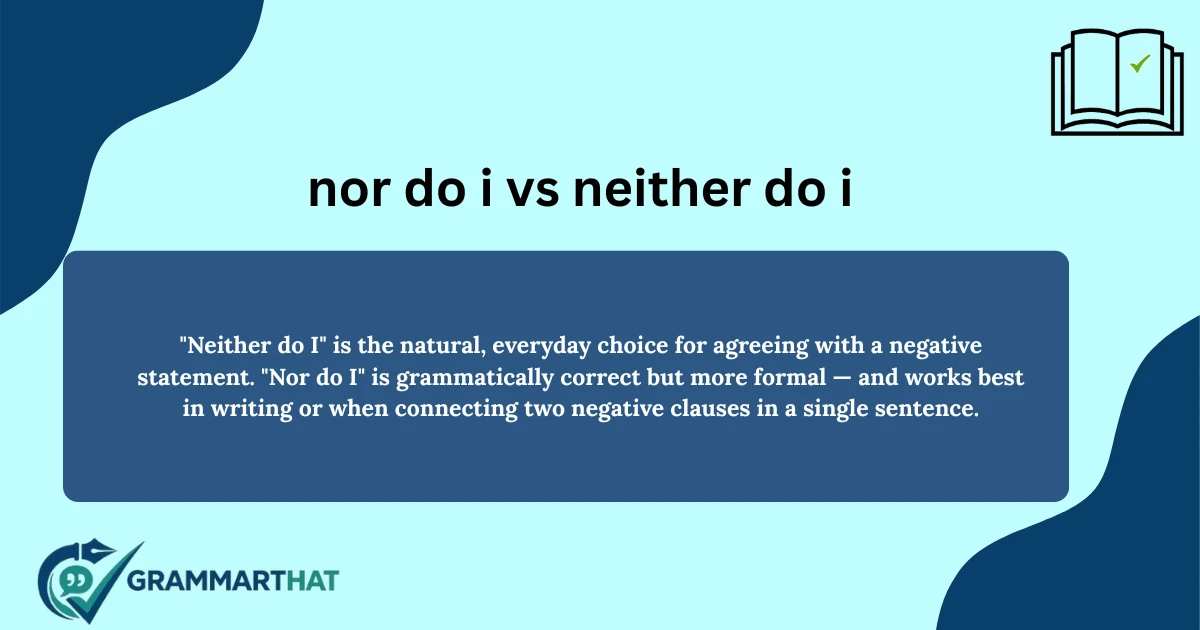
“Neither do I” is the common everyday response to a negative statement, while “Nor do I” sounds more formal. Both ...
Read moreCanceled or Cancelled: The Real Difference 2026
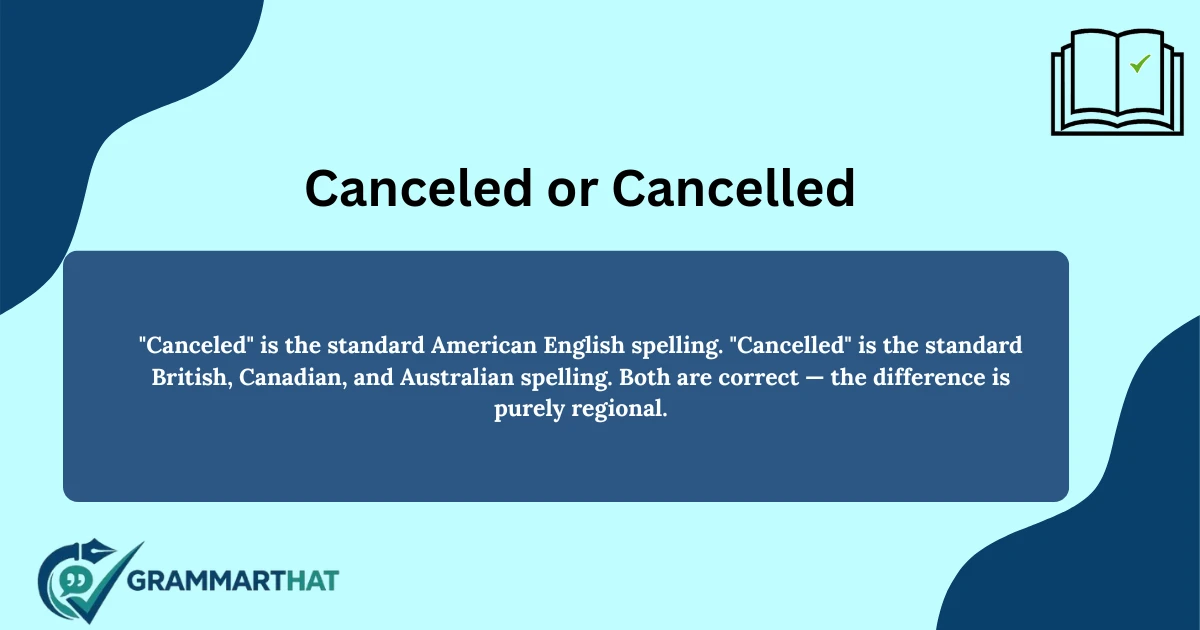
“Canceled” and “cancelled” are both correct spellings with the same meaning. Canceled is common in American English, while cancelled is ...
Read moreTheatre or Theater: The Real Difference 2026
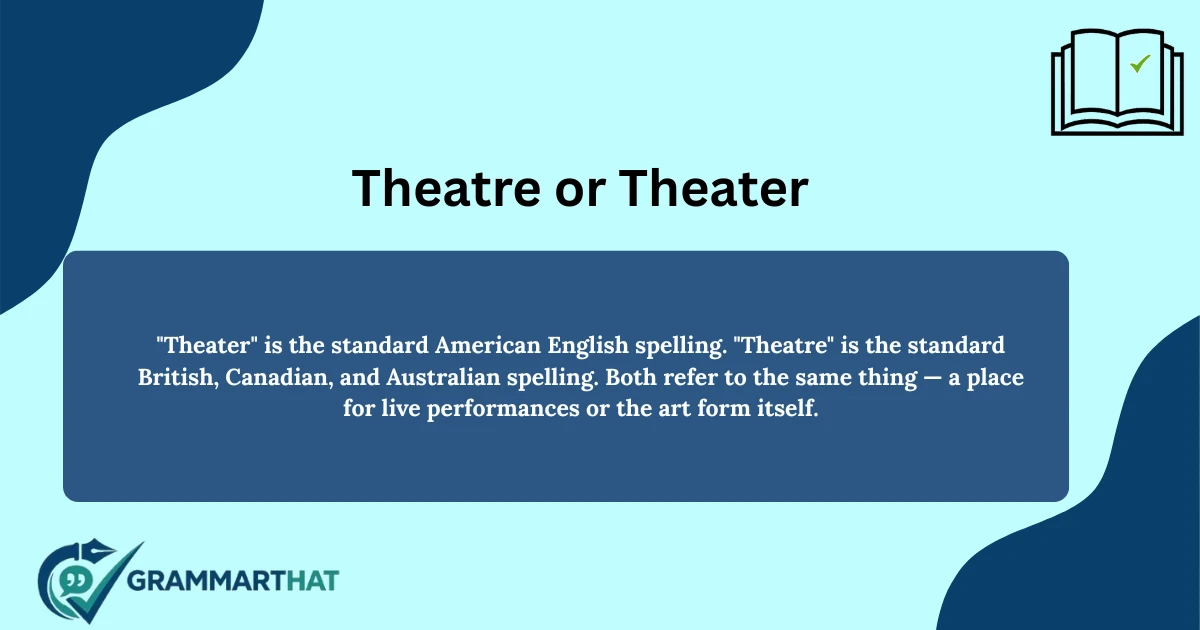
“Theater” and “theatre” are both correct spellings for live performance venues and dramatic arts. Theater is common in American English, ...
Read moreHail vs. Hale: What’s the Difference?
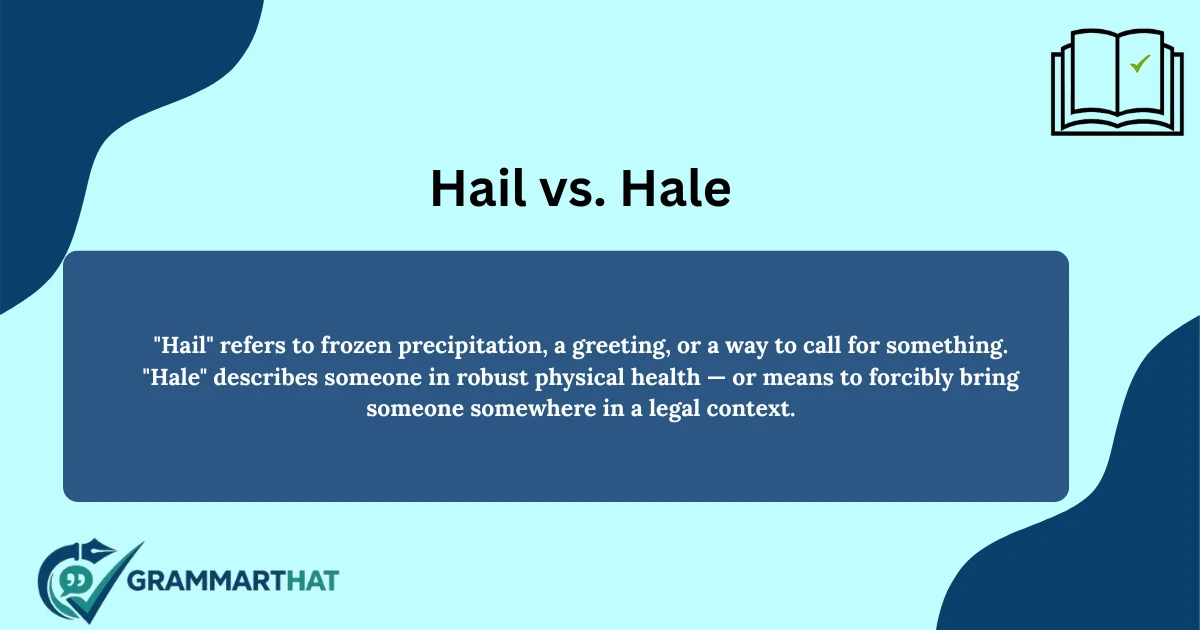
Hail and hale sound the same but have different meanings. Hail relates to weather, greetings, or calling, while hale describes ...
Read moreTrawling vs. Trolling: The Real Difference 2026
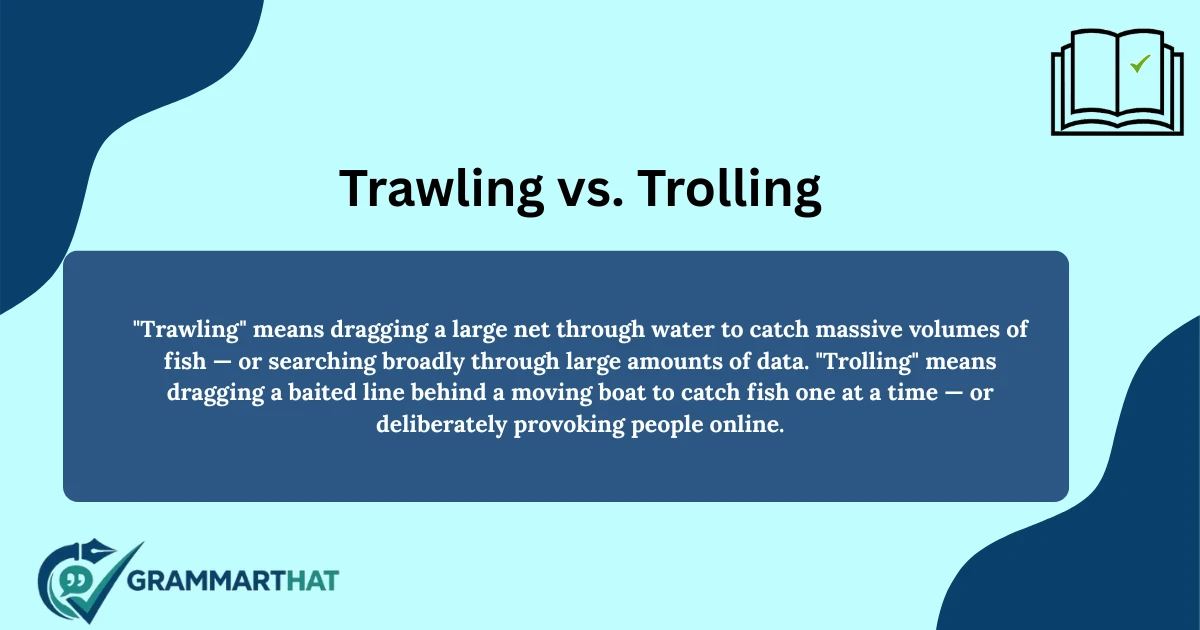
Trawling means dragging a net or searching through large amounts of information, while trolling means fishing with a line or ...
Read more