Ahead vs A Head: What’s the Real Difference?
“Ahead” is a single word used as an adverb or preposition meaning forward, in front, or in the future, while ...
Read moreConcurrent vs Simultaneous: What’s the Real Difference?
“Concurrent” and “simultaneous” both describe things happening at the same time, but they don’t mean exactly the same thing. “Concurrent” ...
Read moreNosey vs Nosy: Spelling, Meaning & Correct Usage
“Nosy” is the standard spelling for someone overly curious about other people’s business, while “nosey” is a recognized variant spelling ...
Read moreLeaned or Leant: The Real Difference
“Leaned” is the standard American English past tense of lean, while “leant” is preferred in British, Canadian, Australian, and other ...
Read moreChoir vs. Chorus: The Real Difference 2026
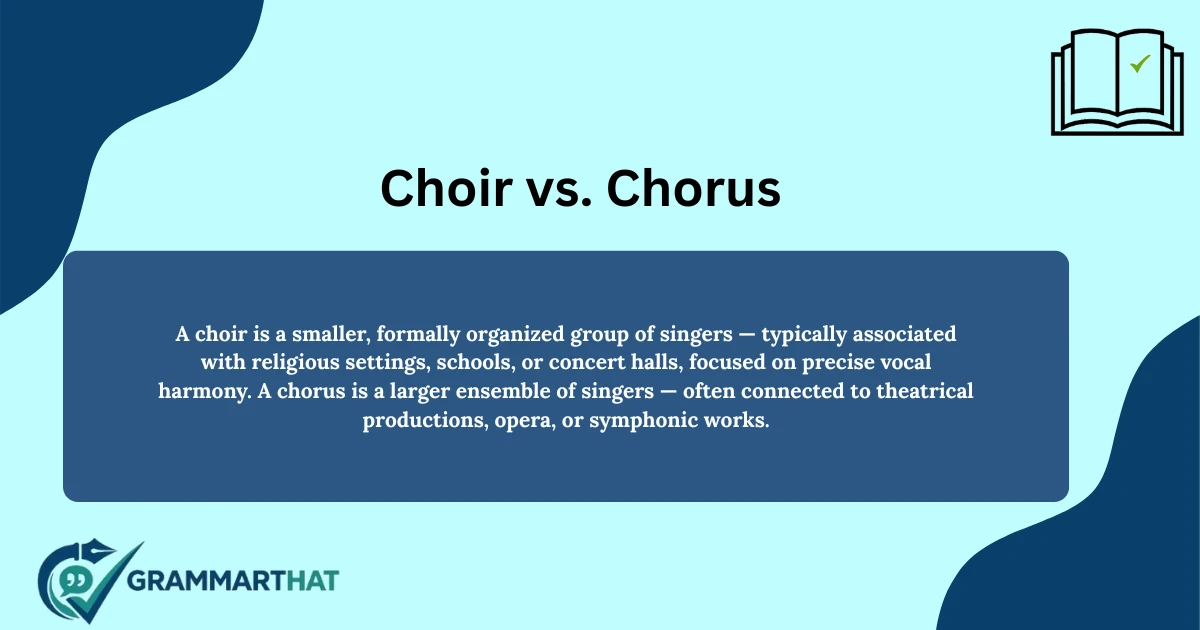
Choir usually refers to a formally organized vocal group in churches, schools, or concerts, while chorus often means a larger ...
Read moreDual vs. Duel: The Real Difference 2026
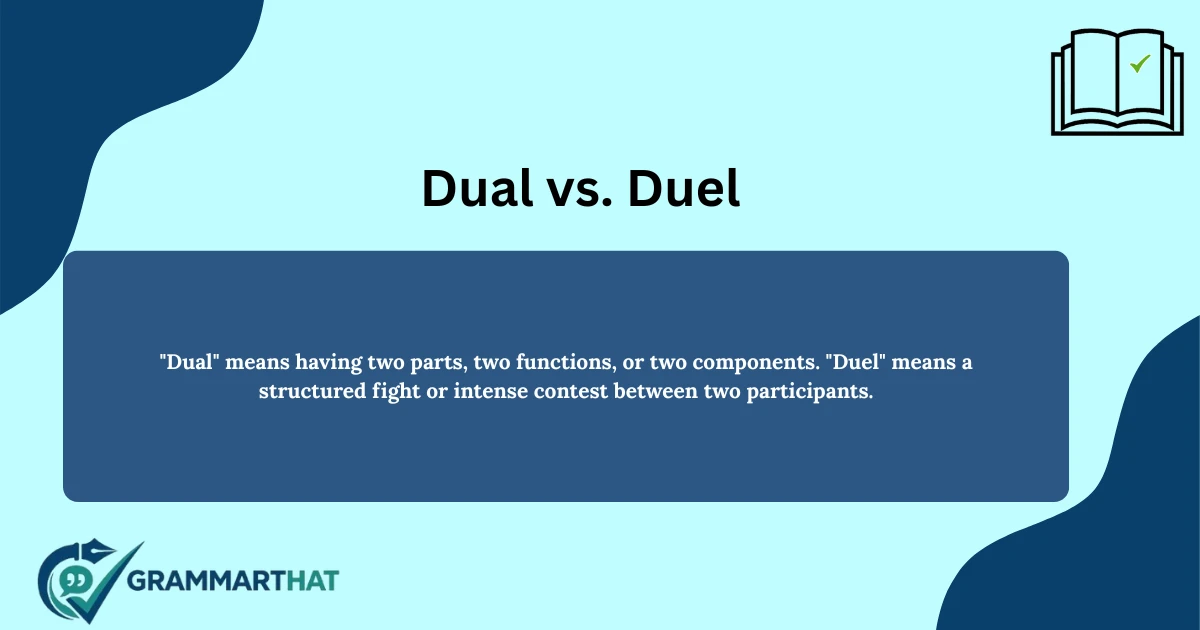
Dual means something with two parts, functions, or aspects, while duel refers to a formal fight or direct contest between ...
Read moreSmelled or Smelt: The Real Difference 2026
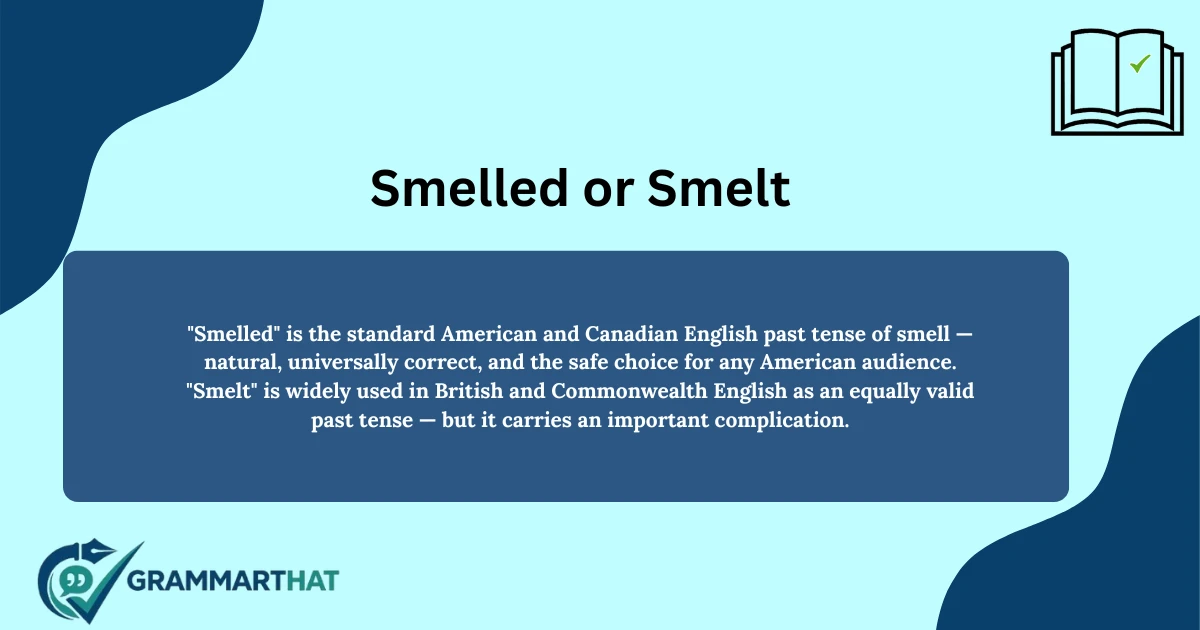
“Smelled” is the standard American and Canadian English past tense of smell, while “smelt” is more common in British and ...
Read moreSpelt or Spelled? | Spelling, Difference & Examples
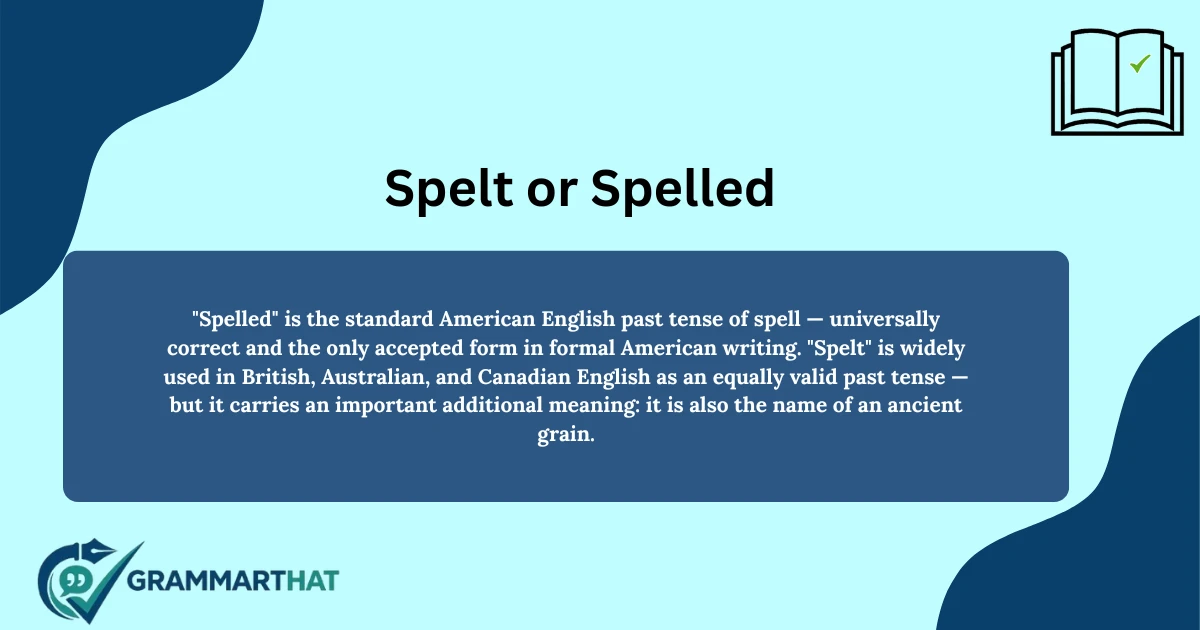
“Spelled” is the standard American English past tense of spell, while “spelt” is more common in British, Australian, and Canadian ...
Read moreRancor vs Rancour: Meaning, Difference, Usage & Examples
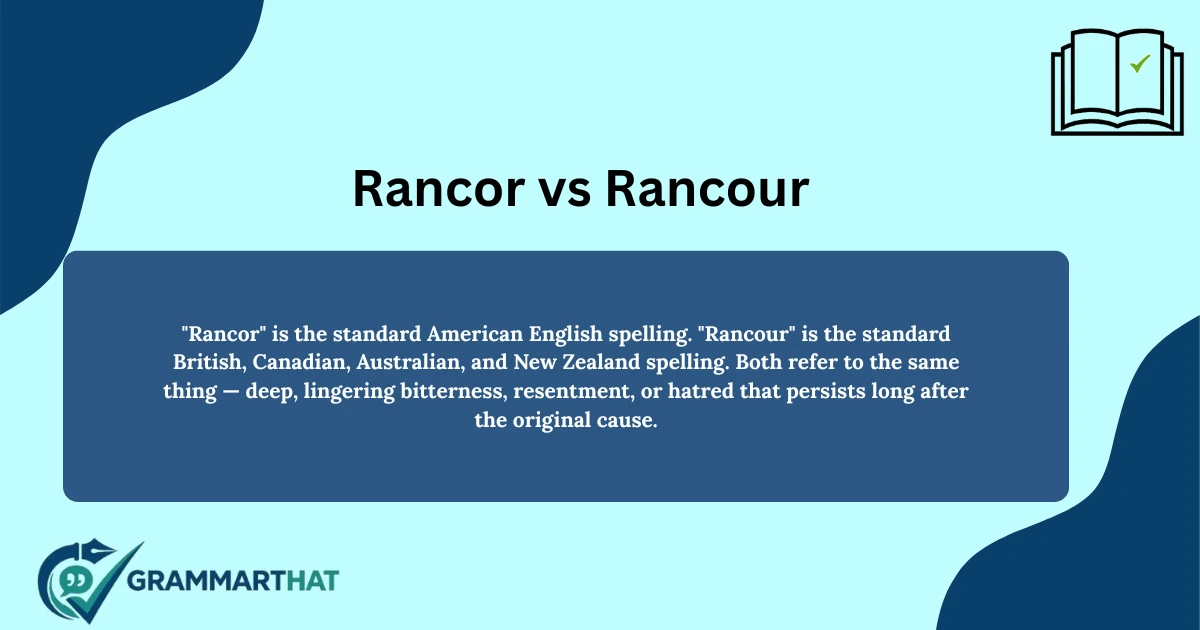
“Rancor” is the standard American English spelling, while “rancour” is preferred in British, Canadian, Australian, and New Zealand English. Both ...
Read moreBurned or Burnt: The Real Difference 2026
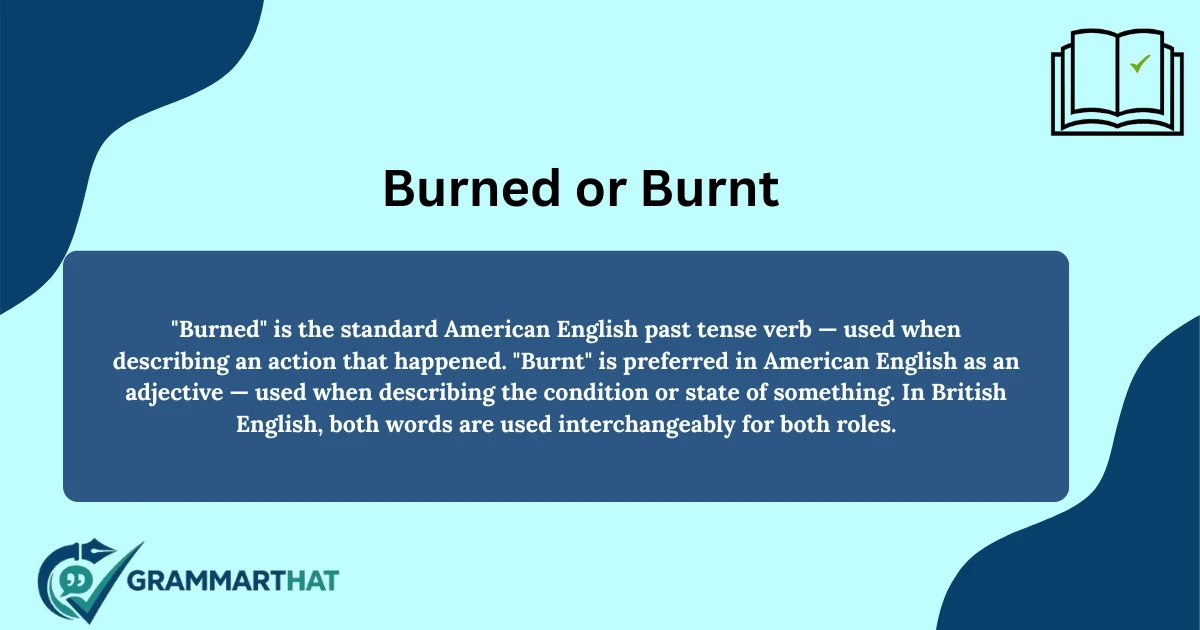
“Burned” is the standard American English past tense of burn, while “burnt” is commonly used as an adjective (such as ...
Read more