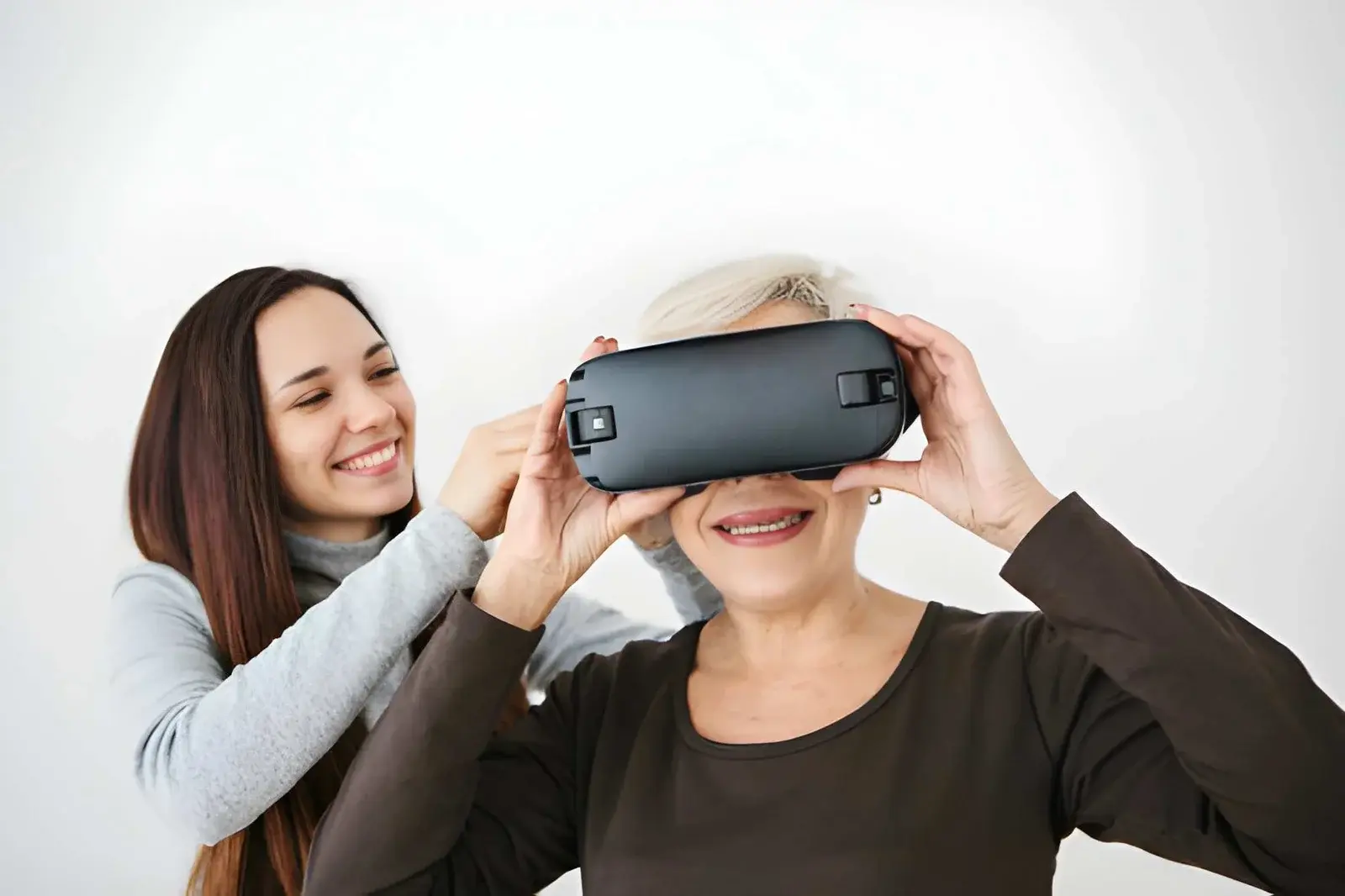
Visual creativity has always involved experimenting, making mistakes, and discovering unexpected possibilities. However, trying a new style once required considerable time, specialized equipment, or advanced technical skills. Today, technology is making this process more accessible. From digital illustration tools to artificial intelligence, creators can explore fresh ideas, test different approaches, and develop distinctive visual identities without starting from scratch every time.
These developments are changing how designers, marketers, photographers, and content creators approach their work. Instead of following familiar techniques, they can experiment more freely and find new ways to communicate with their audiences.
Digital Tools Make Creative Experimentation Easier
Traditional creative processes often involve several time-consuming steps. A designer might need to redraw an illustration, adjust multiple layers, or create several versions of a layout before finding the right direction. Modern digital tools simplify many of these tasks, allowing creators to focus more on ideas and less on repetitive work.
Testing Ideas Without Starting Over
Layers, editable templates, and non-destructive editing features allow creators to make changes without permanently affecting their original work. For example, a graphic designer creating a promotional banner can test different color palettes, backgrounds, and compositions while keeping the original design intact.
This flexibility encourages experimentation because trying something new no longer means risking hours of previous work. If a bold color combination does not suit the project, the designer can quickly return to the original version or explore another option.
Digital tools also make it easier to compare alternatives side by side. A content team can prepare several versions of a social media graphic and evaluate which one best matches its campaign goals. This practical approach helps creators make informed decisions rather than relying entirely on their first idea.
Artificial Intelligence Opens New Creative Possibilities
Artificial intelligence is introducing new ways to generate, modify, and combine visual elements. Creators can use AI-powered tools to explore styles that might otherwise require specialized knowledge or significant manual effort.
Exploring Different Styles and Effects
AI tools can help transform simple ideas into visual experiments. For instance, a creator might explore how a photograph would look as a watercolor painting, a retro poster, or a futuristic digital illustration. These variations provide inspiration and help creators discover directions they may not have considered independently.
Text-based design is another area benefiting from these developments. When creating promotional graphics, social media posts, or digital artwork, designers can use an AI text effects generator to experiment with expressive lettering, decorative textures, and distinctive visual treatments that support a particular theme.
The key advantage is speed. Rather than manually testing every possible effect, creators can explore multiple options in less time. They can then refine the most promising results to fit the project’s purpose, audience, and overall visual identity.
AI does not need to replace the creative process. In many cases, it works best as a starting point that helps artists overcome creative blocks, generate alternatives, and make more confident design decisions.
Social Media Encourages Visual Innovation
Social media platforms have created an environment where visual content competes for attention every day. Creators must find ways to communicate quickly while maintaining a recognizable style. Technology makes it easier to test new approaches and adapt content to different audiences.
Adapting Visuals to Different Platforms
A design that works well on a website may not have the same impact in a short-form video or a mobile feed. Digital editing and content creation tools help creators resize assets, adjust layouts, and experiment with formats suited to different platforms.
For example, a small business promoting a new product might create a clean product photograph for its website, an animated version for social media, and a bold typographic graphic for a limited-time offer. Although each asset serves a different purpose, they can share consistent colors, fonts, and visual elements.
Creators can also use audience responses to guide future experiments. If viewers engage more with animated graphics than static images, the creator can explore motion-based designs while maintaining the brand’s established identity.
Combining Traditional Techniques With Modern Technology
Technology does not mean abandoning traditional artistic methods. In fact, combining familiar techniques with digital tools can produce more original results. Many creators use technology to extend their existing skills rather than replace them.
Blending Handmade and Digital Elements
A designer might begin with a hand-drawn illustration, scan it, and add digital colors, textures, and lighting effects. A photographer could combine natural images with digitally created backgrounds to produce a distinctive editorial style. These combinations often feel more personal because they bring together human decisions and technological possibilities.
Experimentation can also involve mixing visual influences. A creator might combine vintage typography with modern geometric shapes or pair minimalist layouts with textured illustrations. Digital tools make it easier to test whether these contrasting elements work together.
The most effective results usually come from having a clear creative intention. Technology can provide countless options, but creators still need to decide which combinations communicate the right message and feel appropriate for the audience.
Building a More Consistent Creative Workflow
While experimentation is valuable, constantly trying new styles can make a brand appear inconsistent. A recognizable visual identity helps audiences identify content across different channels. The challenge is to balance innovation with familiarity.
Creators can maintain that balance by establishing a few basic guidelines, such as preferred colors, typography, image treatments, and overall tone. These guidelines provide a foundation for experimentation without restricting every creative decision.
A practical workflow might include the following steps:
- Start with a clear objective: Decide whether the goal is to attract attention, explain an idea, communicate an emotion, or promote a product.
- Explore several directions: Test different layouts, textures, colors, or visual effects before committing to one approach.
- Evaluate the results: Consider readability, accessibility, audience expectations, and how well the design communicates its message.
- Refine the strongest option: Keep the most effective elements and remove anything that distracts from the main purpose.
Saving successful experiments can also help creators build a reusable collection of ideas, templates, and visual references. Over time, this collection becomes a useful resource for developing new projects more efficiently.
Conclusion
Technology is giving creators more freedom to explore visual styles, combine artistic techniques, and bring unfamiliar ideas to life. From digital editing to AI-powered design, these tools make experimentation faster and more accessible. The greatest opportunity lies in using technology with intention, allowing curiosity and personal creativity to guide the process. By testing new approaches while maintaining a clear visual identity, creators can develop engaging content that feels both fresh and authentic.
Also Read
- Innate vs. Enate Homophones: Spelling & Definition
- NSFW Meaning in Text: Usage, Examples & More
- Inclosed vs Enclosed: What’s the Real Difference?