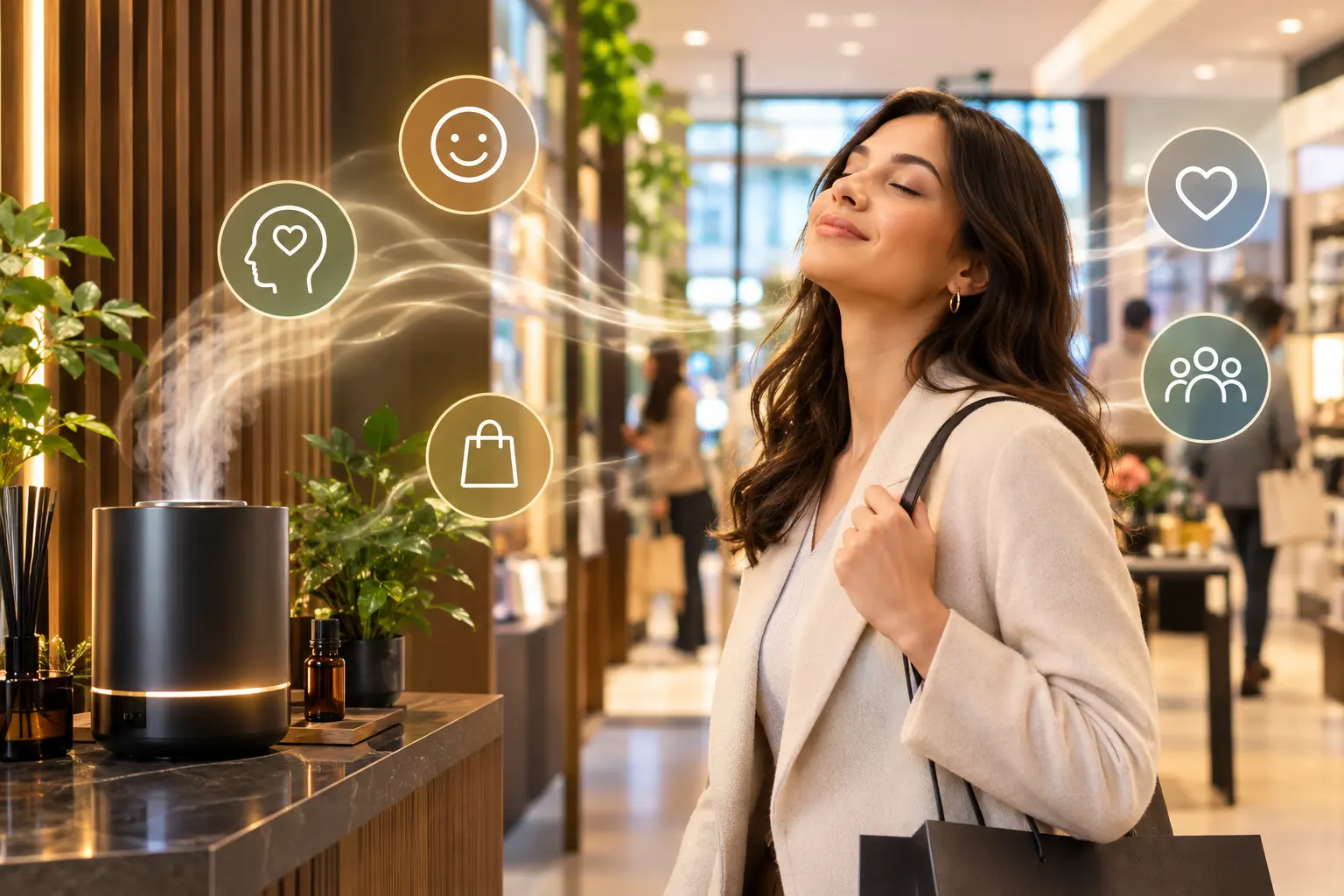
Every business wants to be remembered, but creating a lasting impression requires more than offering quality products or reliable services. Customers may also remember how comfortable they felt, how welcoming a place appeared, and whether the overall experience met their expectations. From the moment someone enters a store, hotel, showroom, or office, the surrounding environment begins shaping their perception of the business.
Lighting, interior design, music, cleanliness, and fragrance all contribute to the atmosphere. When these elements work together, they can create an environment that feels welcoming, thoughtful, and distinctive. This is where scent marketing becomes an interesting part of customer experience design. By introducing carefully selected fragrances into physical spaces, businesses can add another sensory dimension to their brand identity.
Understanding how scent relates to perception, emotion, and memory can help businesses make more informed decisions about their environments. However, fragrance should be considered alongside customer comfort, service quality, and the practical requirements of each space.
Why Do First Impressions Matter in Customer Engagement?
First impressions begin forming before a customer speaks to an employee or examines a product. The appearance, atmosphere, and comfort of a space can influence what visitors expect from their experience. An organized entrance, appropriate lighting, comfortable temperature, and clean surroundings can help make a place feel inviting.
For example, a customer entering a luxury hotel may notice the reception design, background music, lighting, and subtle fragrance in the lobby. Together, these elements contribute to the property’s overall character. Similarly, a retail showroom with a clear layout and comfortable atmosphere may make it easier for visitors to explore products without feeling overwhelmed.
Customer engagement is not limited to conversations or purchases. It also includes how people interact with their surroundings, interpret a brand’s identity, and evaluate their overall visit.
A thoughtfully designed environment can support positive customer perceptions, but atmosphere alone cannot compensate for poor service, uncomfortable conditions, or disappointing products. Memorable experiences usually emerge when several elements work together consistently.
Understanding the Connection Between Fragrance, Emotion, and Memory
The human sense of smell has an interesting relationship with emotion and memory. Odor information is processed through neural pathways connected with brain regions involved in emotional responses and memory. This relationship helps explain why certain smells can bring back memories of familiar places, childhood experiences, or meaningful occasions.
The smell of freshly baked bread, for instance, may remind someone of a family kitchen, while a floral fragrance might evoke memories of a garden or celebration. These associations are personal, and the same scent can produce different responses in different people.
In commercial environments, the relationship between scent and memory has encouraged interest in sensory marketing. Businesses may introduce ambient fragrances to create an atmosphere that complements their identity or the purpose of a space.
Research offers some support for this approach. A meta-analysis published in the Journal of Marketing examined 671 effects from ambient-scent experiments and found that pleasant scents were associated with positive average customer responses. However, the researchers also identified differences in outcomes depending on situational factors, including how well a fragrance matched its surroundings. Read the peer-reviewed meta-analysis on ambient scents and customer responses for further details.
The important lesson is that fragrance is not automatically effective simply because it smells pleasant. Its suitability for the environment, customers’ expectations, scent intensity, and individual preferences can all influence the experience.
How Scent Marketing Contributes to Memorable Customer Experiences
Scent marketing is the intentional use of fragrance to support a particular atmosphere, brand identity, or customer experience. Rather than using fragrance only to make a room smell pleasant, businesses consider how a selected scent fits the character of their environment.
For instance, a modern boutique may choose a light fragrance that complements its minimalist interior. A resort might consider a fresh botanical aroma that reflects its natural surroundings. A premium showroom may select a subtle woody fragrance that works with its interior materials and overall presentation.
The purpose is to create consistency between what customers see, hear, and smell.
When a fragrance feels appropriate for its environment, it may become part of the overall experience rather than a noticeable distraction. Over time, a recognizable scent may also contribute to a brand’s sensory identity, although individual customers will differ in how strongly they notice or remember it.
A 2021 systematic review published in Applied Sciences examined research on scent and actual customer behavior in retail environments. The review identified indications of positive effects on emotional states, store evaluations, and some in-store behaviors. However, the authors also noted limitations in the available evidence, including inconsistent findings, differences in scent delivery, and limited research conducted in real retail settings. The full review, Aromachology and Customer Behavior in Retail Stores, provides additional context.
These findings suggest that fragrance can be one element of experience design, but it should not be treated as a guaranteed way to increase sales, extend visits, or create customer loyalty.
Creating an Emotional Connection Through the Right Atmosphere
Customers visit businesses with different needs and expectations. Someone visiting a spa may be looking for a calm environment, while a retail customer may be interested in discovery and inspiration. A hotel guest may simply appreciate a comfortable, welcoming arrival after a long journey.
The atmosphere should reflect these different expectations.
Fragrance can be considered alongside music, temperature, lighting, and spatial design when planning a cohesive environment. A subtle scent may complement a quiet waiting area, while a fresh fragrance profile might suit a bright and open retail space.
However, emotional responses to fragrance are subjective. A scent that one person associates with comfort may remind another person of an unpleasant experience. Some visitors may also be sensitive to fragrances or prefer environments without added scents.
Businesses should therefore avoid assuming that particular aromas will produce identical emotional responses among all customers. Understanding the intended audience, collecting feedback, and considering fragrance sensitivity are more practical approaches than relying on broad claims about how specific scents make people feel.
The aim should be to create an environment that supports the customer experience without making fragrance the dominant feature of the space.
The Role of Signature Scents in Brand Recognition
Brand identity is commonly associated with visual elements such as logos, typography, packaging, and colors. Yet customer experiences also include sensory details that are not visible.
A signature scent is a fragrance selected to represent a business or environment consistently. Some businesses may develop a fragrance specifically for their brand, while others select an existing scent that complements their identity.
The goal is not necessarily to make customers consciously identify the fragrance. Instead, a consistent scent may become part of the familiar atmosphere they encounter during repeated visits.
For a hotel, consistency might mean using the same subtle fragrance in selected shared spaces. For a retail brand, it could involve maintaining an appropriate fragrance profile across several locations. When customers repeatedly encounter a similar environment, the consistency may help reinforce their overall impression of the brand.
Nevertheless, maintaining the same fragrance should not take priority over ventilation, comfort, or the practical needs of different spaces.
A fragrance that works in a hotel lobby, for example, may not be appropriate in a restaurant dining area where it could interfere with the aromas of food. Similarly, a fragrance suitable for a spacious showroom may feel too strong in a small consultation room.
Successful sensory branding requires an understanding of both the brand and the activities taking place in each environment.
How Different Businesses Can Create Distinctive Sensory Experiences
The most appropriate sensory environment depends on the industry, the activities taking place, and the preferences of the people using the space. Businesses should consider these factors before selecting a fragrance or introducing a scenting system.
Hotels and Hospitality Spaces
Hospitality businesses often focus on creating an atmosphere that supports guest comfort. Lobby design, lighting, temperature, cleanliness, and service quality all contribute to the arrival experience.
A subtle fragrance may add character to selected public areas and complement the hotel’s interior design. However, it should not overwhelm guests or interfere with the natural atmosphere of the property.
Different areas may also require different approaches. A lobby may accommodate a carefully selected ambient fragrance, while restaurants, fitness facilities, and guest rooms may have different requirements. Guest feedback and fragrance sensitivity should be considered when making these decisions.
Retail Stores and Showrooms
Retail environments are designed to help customers explore products, understand a brand, and make purchasing decisions. Layout, lighting, product displays, music, and staff interactions all influence the shopping experience.
A fragrance may complement the store’s design when it is appropriate for the products and audience. For example, a natural or understated scent might suit a lifestyle showroom, while a fragrance-free environment may be more suitable for certain product categories or customer groups.
Businesses should assess how fragrance fits into the wider shopping experience rather than assuming it will automatically encourage customers to spend more time or money.
Offices and Professional Environments
Offices, reception areas, and professional consultation spaces generally need to support concentration, comfort, and clear communication.
In these settings, strong fragrance may be distracting or uncomfortable for employees and visitors. Good ventilation, cleanliness, and temperature control should remain priorities. If a business considers ambient fragrance, it should choose a restrained approach and account for the preferences of people who regularly use the space.
In many professional environments, a clean and comfortable atmosphere is more important than introducing an additional scent.
Spas and Wellness Facilities
Spas and wellness facilities often aim to create an environment associated with relaxation and personal comfort. Lighting, sound, room temperature, and interior design can help establish this atmosphere.
Fragrance may complement these elements when it suits the setting and the preferences of visitors. However, businesses should avoid assuming that any particular aroma will produce a specific psychological or physiological result.
Providing information about fragrance use and accommodating visitors who prefer unscented spaces can help make the environment more considerate and accessible.
Practical Considerations Before Introducing Fragrance
Before introducing ambient fragrance, businesses should consider how it will affect the people using the space and whether it fits the purpose of the environment.
Start with the customer experience. Identify the atmosphere the business wants to create and consider whether fragrance is necessary to support that objective.
Choose an appropriate intensity. A fragrance that is too strong can become distracting. Any scent used in a shared environment should remain subtle enough that it does not dominate the experience.
Consider ventilation and space requirements. Room size, airflow, occupancy, and the layout of the building can affect how fragrance is distributed. Businesses should also follow the relevant equipment instructions and applicable indoor-air-quality guidance.
Account for individual preferences. Some people enjoy ambient fragrance, while others may experience discomfort or prefer fragrance-free spaces. Where possible, businesses should provide alternatives and respond constructively to feedback.
Evaluate the results realistically. Customer comments, staff feedback, and observations about the overall environment can help determine whether a fragrance is appropriate. Changes in sales or customer behavior should not automatically be attributed to scent, since many other factors may influence those outcomes.
These considerations help businesses treat fragrance as one part of a broader environment-design process rather than a standalone solution.
Building Memorable Experiences Through Consistency
Customers form impressions through repeated interactions with a business. A welcoming entrance, helpful staff, clean surroundings, comfortable conditions, and a well-organized space can all contribute to an experience that feels reliable and distinctive.
Fragrance may add another layer to that experience when it is selected carefully and used appropriately. Over time, a consistent sensory environment can become part of how customers recognize and remember a place, although its influence will vary from person to person.
The most effective approach is to consider the entire customer journey. Businesses should understand their audience, maintain high service standards, and ensure that every element of the environment serves a clear purpose.
A memorable customer experience rarely depends on one detail alone. It develops when the surroundings, service, products, and brand identity work together in a way that feels comfortable, relevant, and consistent.
Also Read
- Innate vs. Enate Homophones: Spelling & Definition
- NSFW Meaning in Text: Usage, Examples & More
- Inclosed vs Enclosed: What’s the Real Difference?