There Has Been or There Have Been: Which Is Correct? 2026
Both “there has been” and “there have been” are correct. The right choice depends on the noun that follows the ...
Read moreSay Your Peace or Say Your Piece: Which Is Correct? 2026
“Say your piece” is the correct phrase. It means to express your opinion, share your thoughts, or contribute your part ...
Read moreIn Which vs Where: What’s the Difference 2026
“In which” is generally used in formal writing and for abstract concepts, while “where” is the natural choice for everyday ...
Read moreSo Do I vs So Am I: Which One Is Correct? 2026
Both “so do I” and “so am I” are correct — but they are not interchangeable. “So am I” agrees ...
Read moreTo Early or Too Early: Which Is Correct? 2026
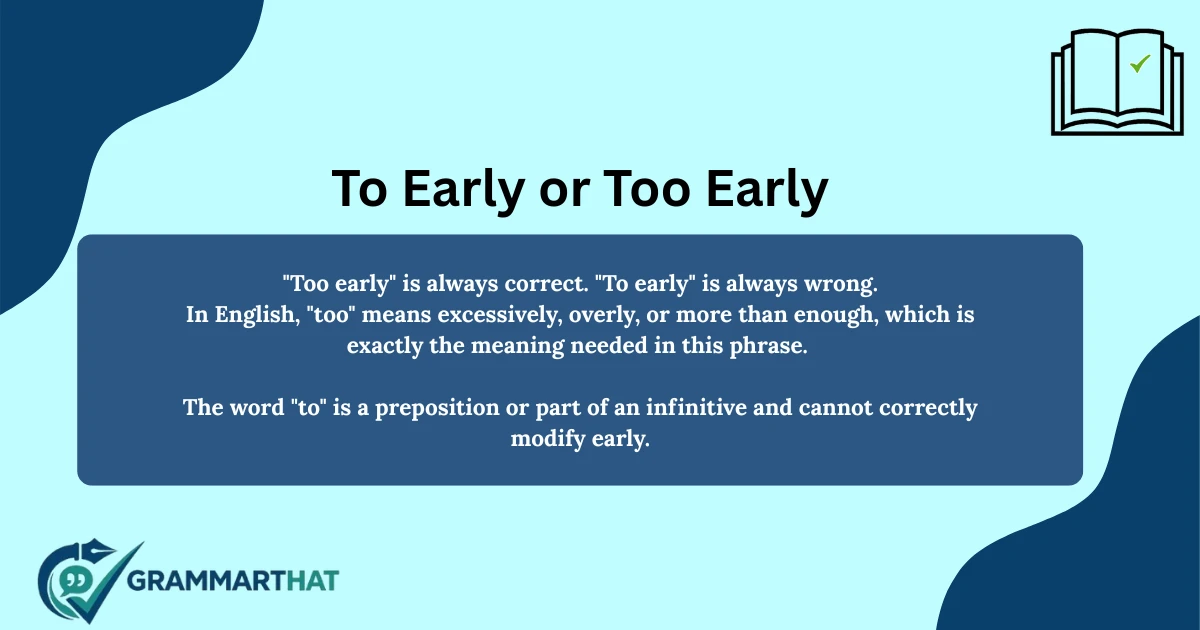
“Too early” is always correct. “To early” is always wrong. In English, “too” means excessively, overly, or more than enough, ...
Read moreTheir Life or Their Lives: Which One Is Correct? 2026
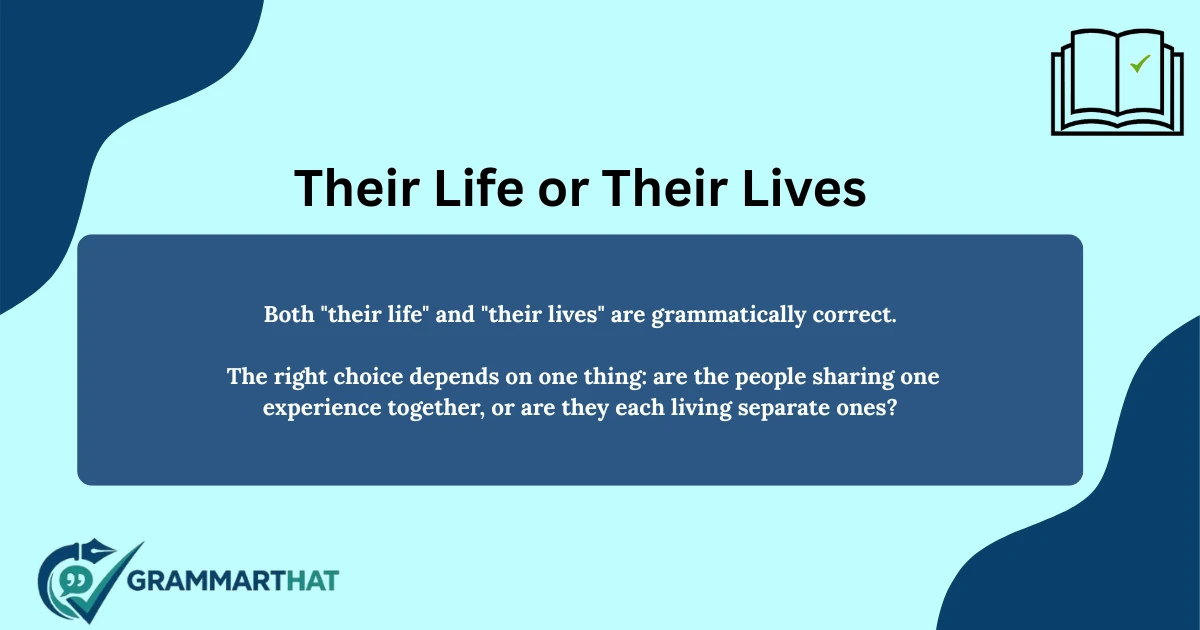
Both “their life” and “their lives” are grammatically correct. The right choice depends on the meaning you want to convey. ...
Read moreFor Who or For Whom: Which Is Correct? 2026
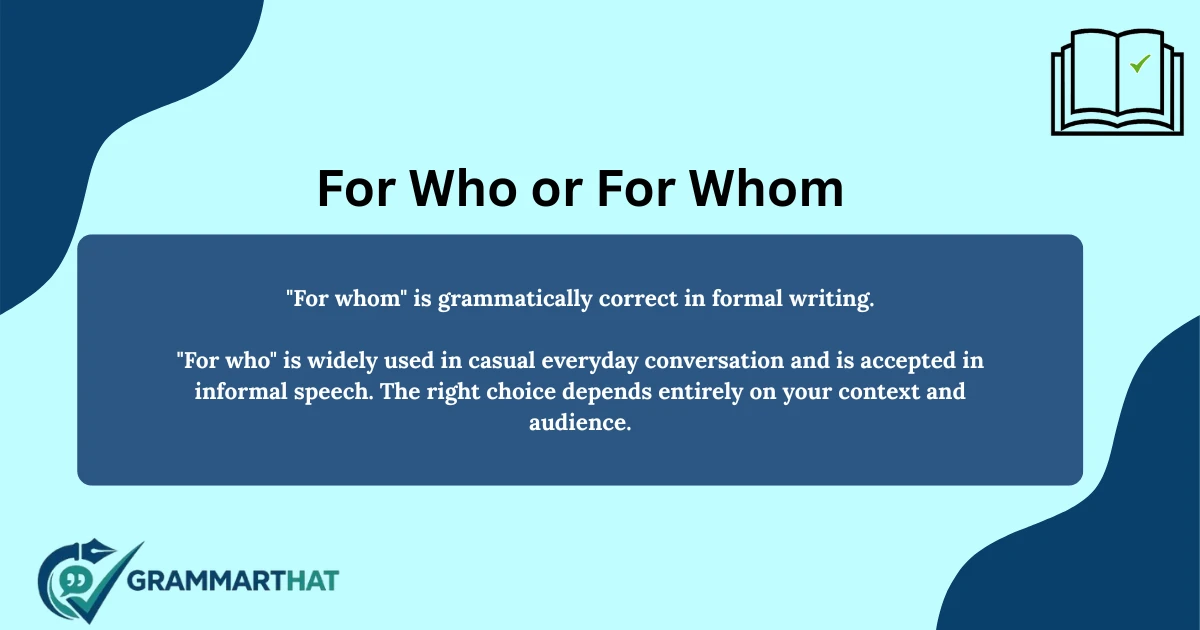
“For whom” is grammatically correct in formal English, while “for who” is common in casual speech and informal writing. The ...
Read moreOn Friday or In Friday: Which Is Correct? 2026
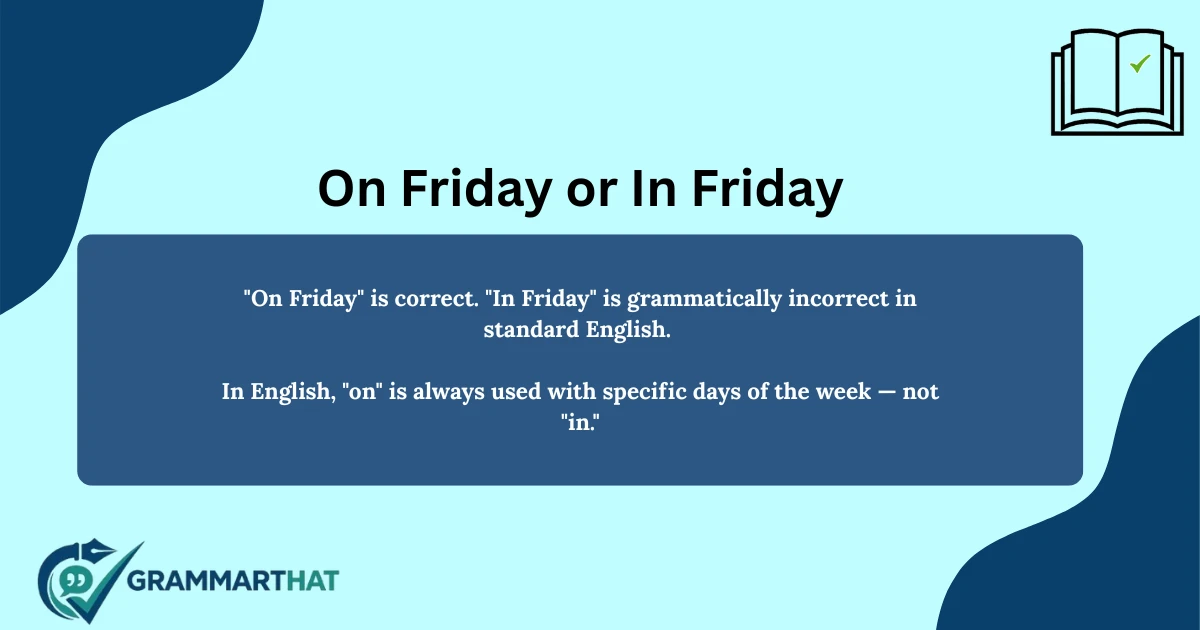
“On Friday” is correct. “In Friday” is grammatically incorrect in standard English. In English, “on” is used with specific days ...
Read more24 Hours’ Notice or 24 Hour’s Notice: Which Is Correct? 2026
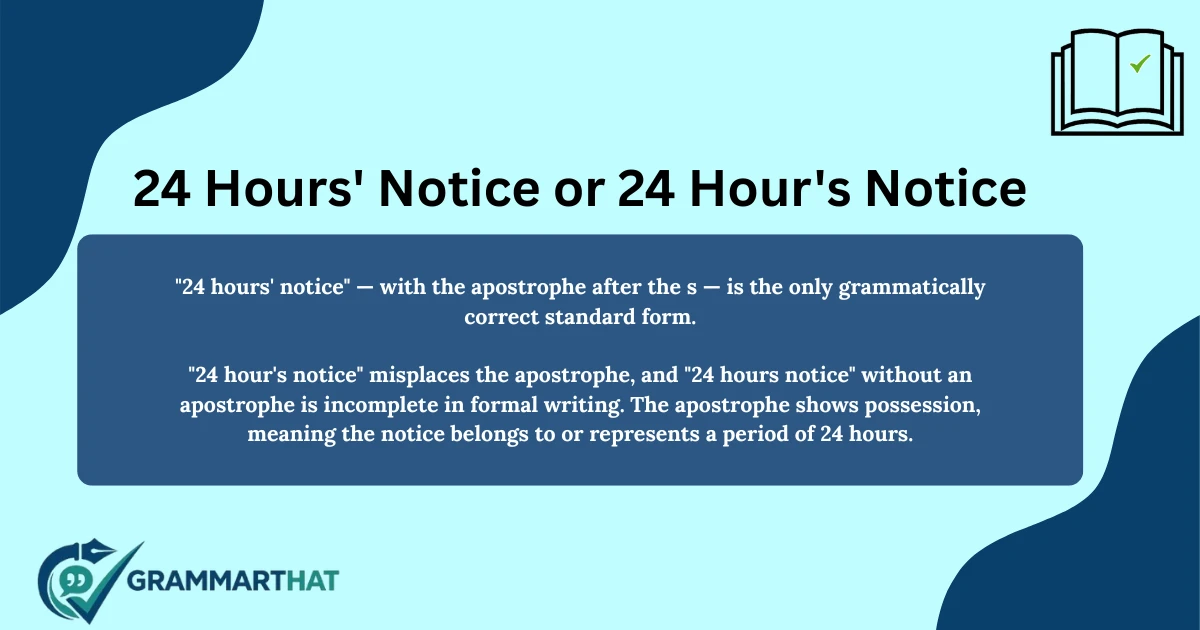
“24 hours’ notice” — with the apostrophe after the s — is the only grammatically correct standard form. “24 hour’s ...
Read moreYou Are Always Welcomed vs Welcome: Which Is Correct? 2026
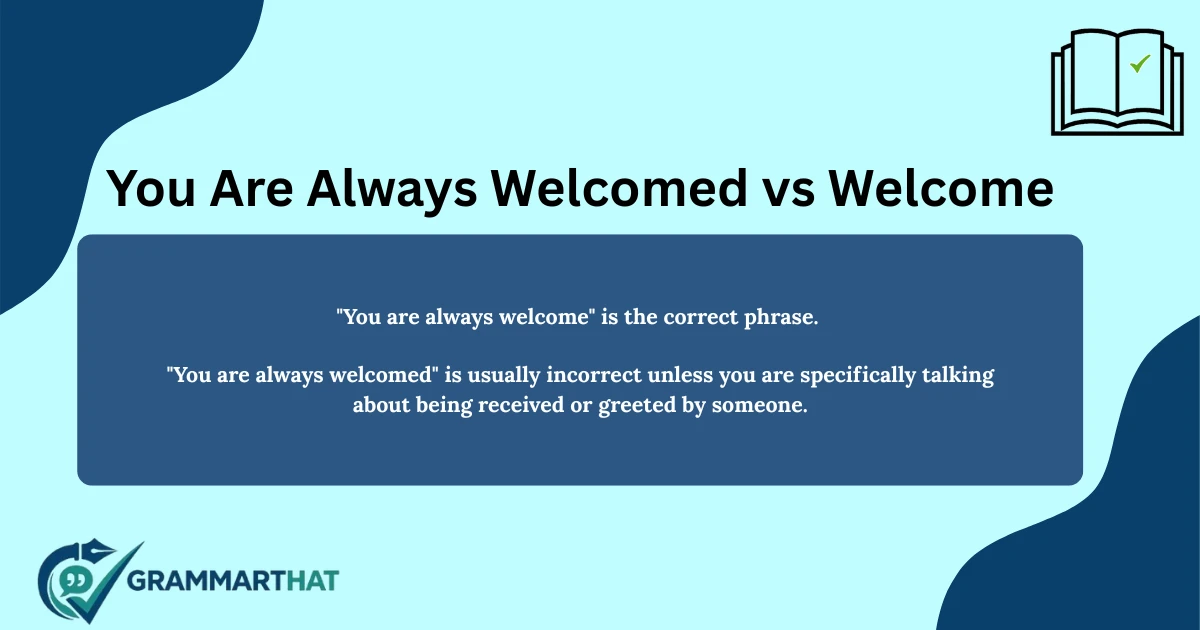
“You are always welcome” is the correct phrase. “You are always welcomed” is usually incorrect unless you are specifically talking ...
Read more