One or More Is or One or More Are: Which Verb Is Correct? 2026
“One or more is” and “one or more are” can both be correct. The choice depends on the noun that ...
Read moreIn the Store or At the Store: Which One Is Correct? 2026
Both “in the store” and “at the store” are grammatically correct. The difference is about precision rather than correctness. “At ...
Read moreWhole Day or All Day: Which Is Correct? 2026
Both “all day” and “whole day” are correct in English — but they do not mean exactly the same thing. ...
Read moreDo Not vs Don’t: Meaning, Difference, and Correct Usage 2026
“Do not” and “don’t” mean exactly the same thing — but they carry different tones and belong in different contexts. ...
Read moreEaten or Ate: Which Is Correct? 2026
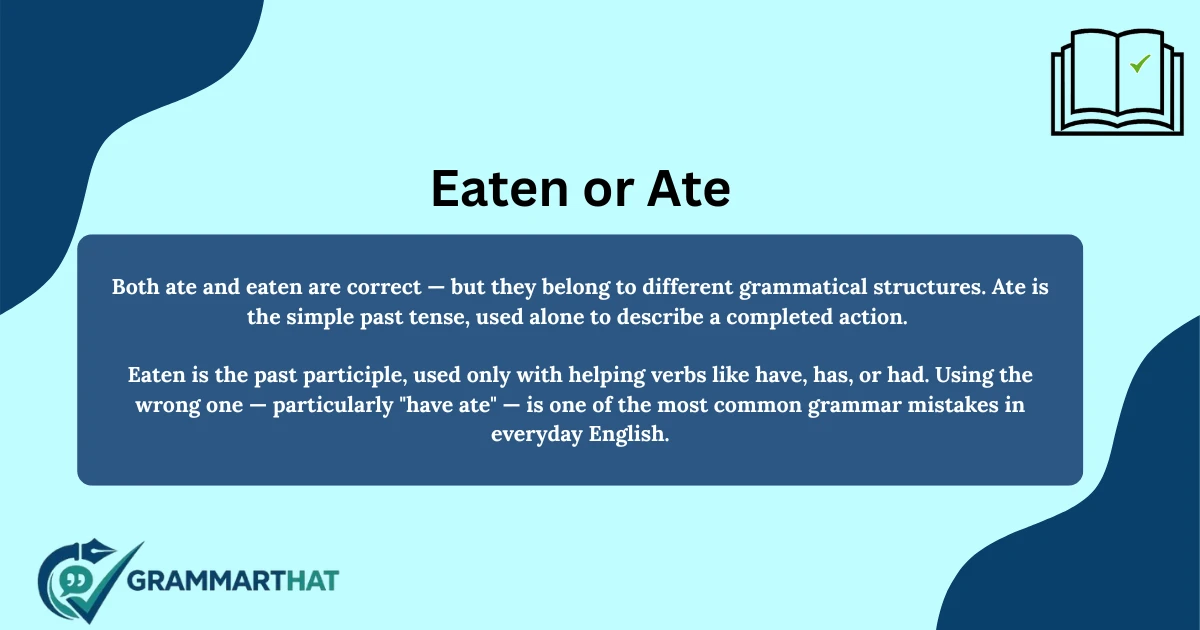
Both ate and eaten are correct — but they belong to different grammatical structures. Ate is the simple past tense ...
Read moreIs Used vs Has Been Used vs Was Used: Which Is Correct? 2026
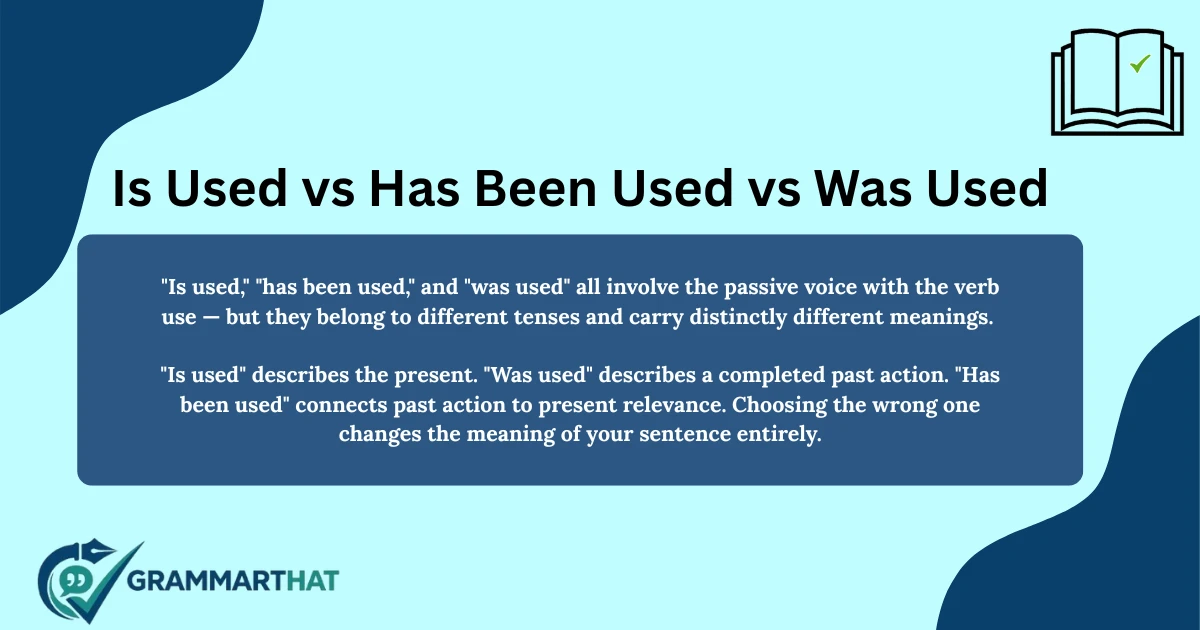
“Is used,” “has been used,” and “was used” all involve the passive voice with the verb use — but they ...
Read moreBetter Than or Better Then: Which Is Correct? 2026
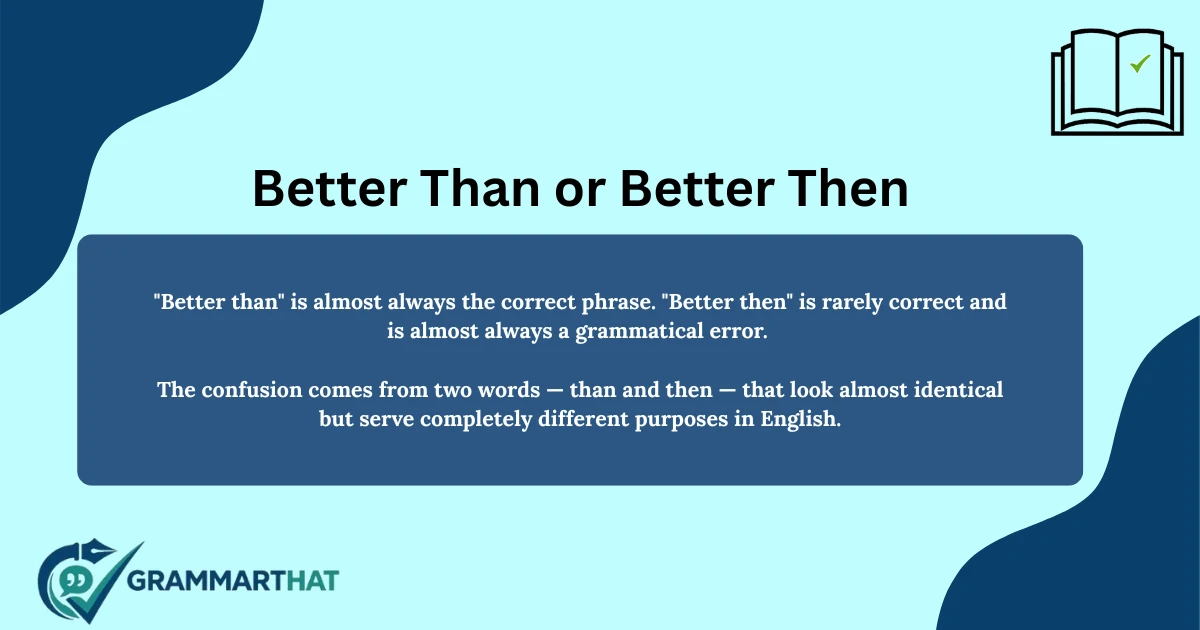
“Better than” is almost always the correct phrase. “Better then” is rarely correct and is almost always a grammatical error. ...
Read moreProved vs Proven: Meaning, Difference, and Correct Usage 2026
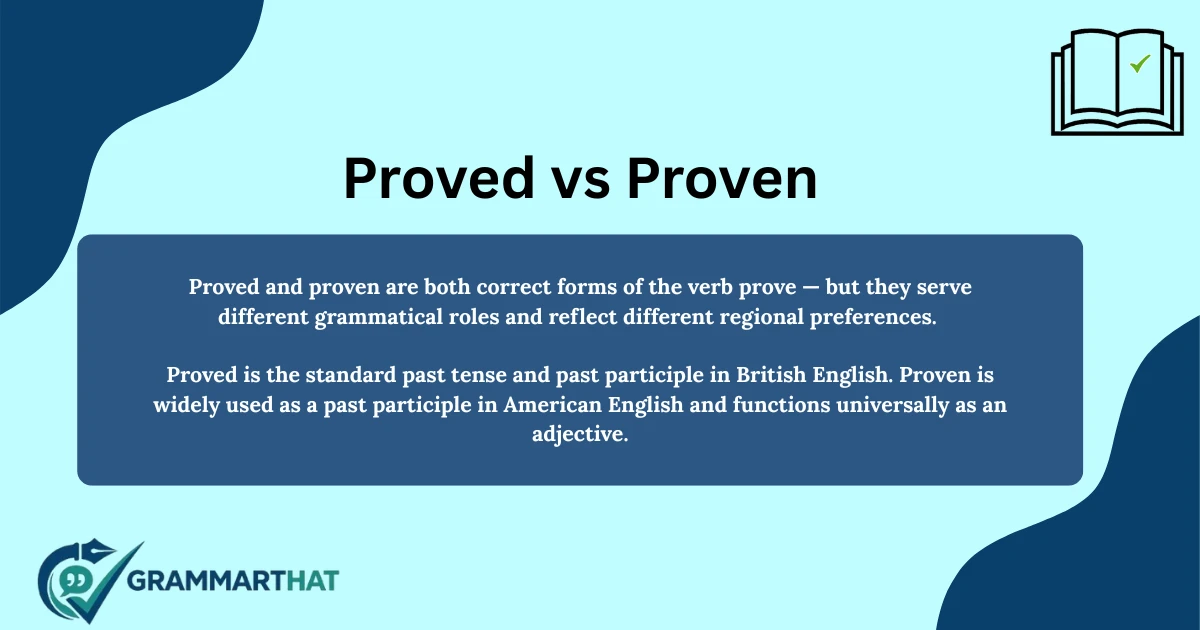
Proved and proven are both correct forms of the verb prove — but they serve different grammatical roles and reflect ...
Read moreWho Else or Whom Else: Which Is Correct? 2026
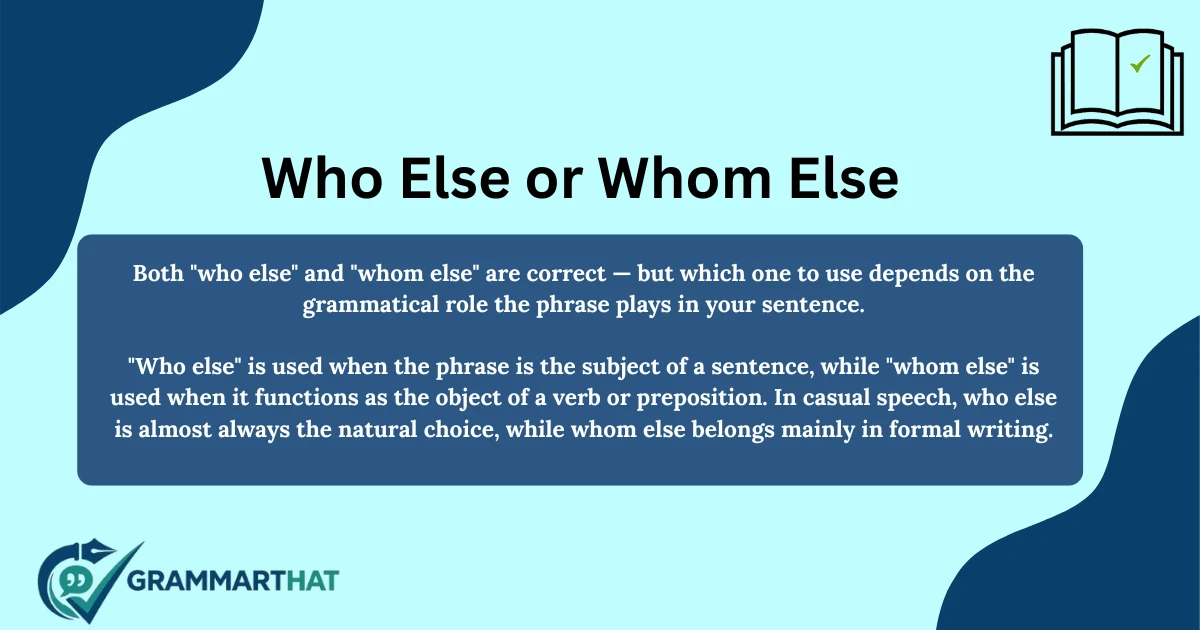
Both “who else” and “whom else” are correct — but which one to use depends on the grammatical role the ...
Read moreThus Far vs So Far: Meaning, Difference, and Correct Usage 2026
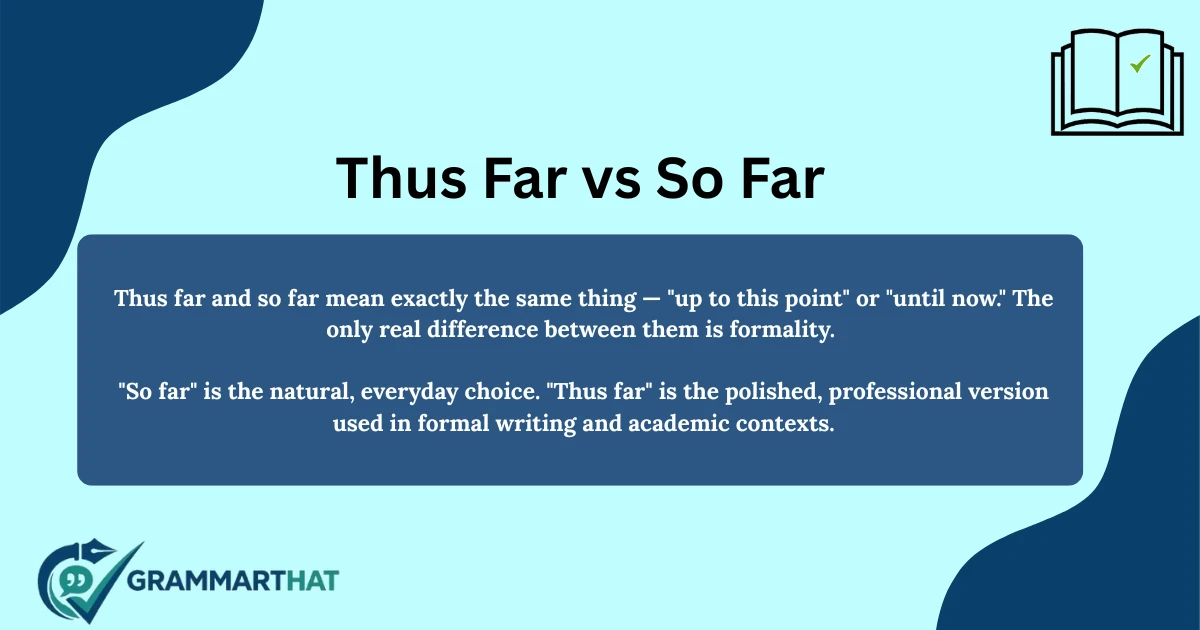
Thus far and so far mean exactly the same thing — “up to this point” or “until now.” The only ...
Read more