Leaned or Leant: The Real Difference
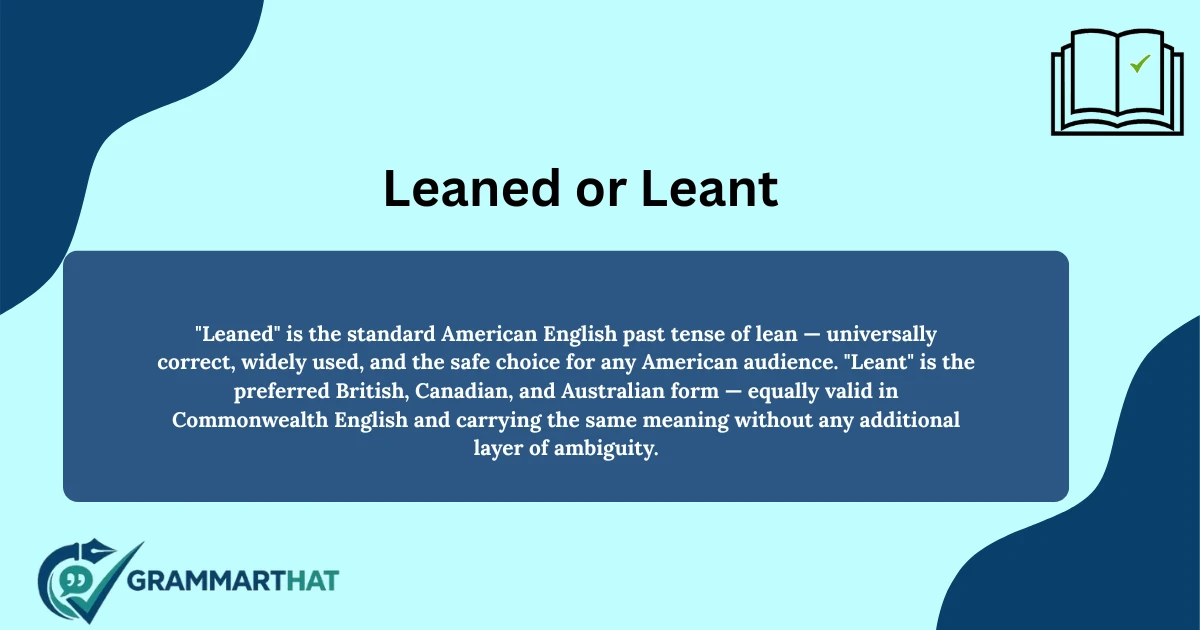
“Leaned” is the standard American English past tense of lean, while “leant” is preferred in British, Canadian, Australian, and other ...
Read moreSmelled or Smelt: The Real Difference 2026
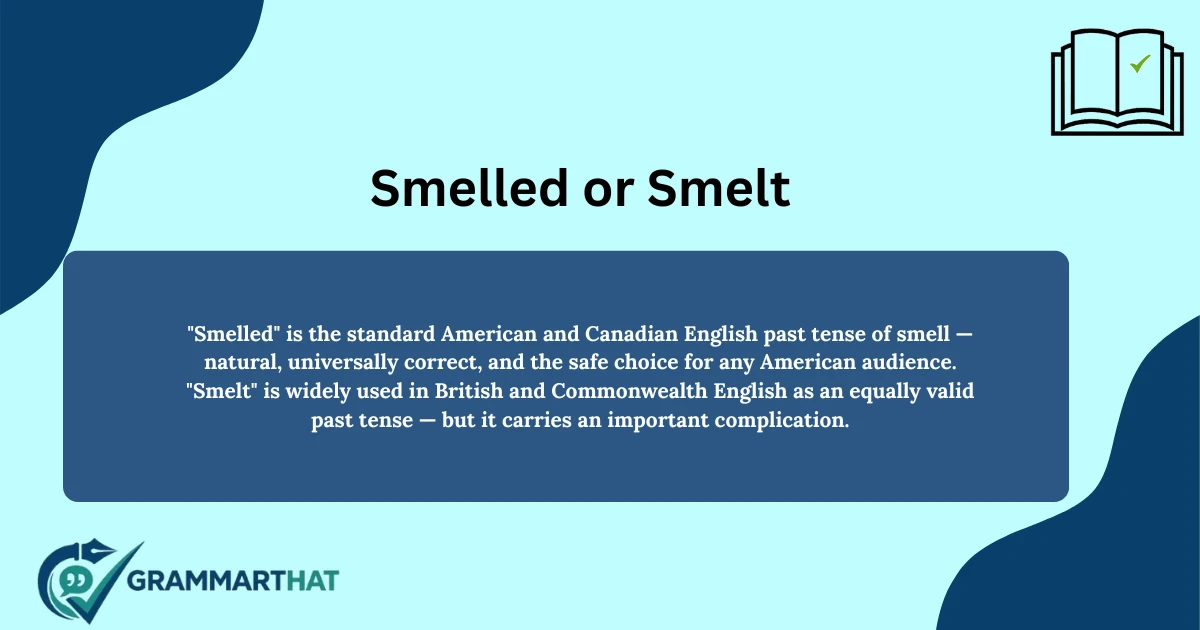
“Smelled” is the standard American and Canadian English past tense of smell, while “smelt” is more common in British and ...
Read moreSpelt or Spelled? | Spelling, Difference & Examples
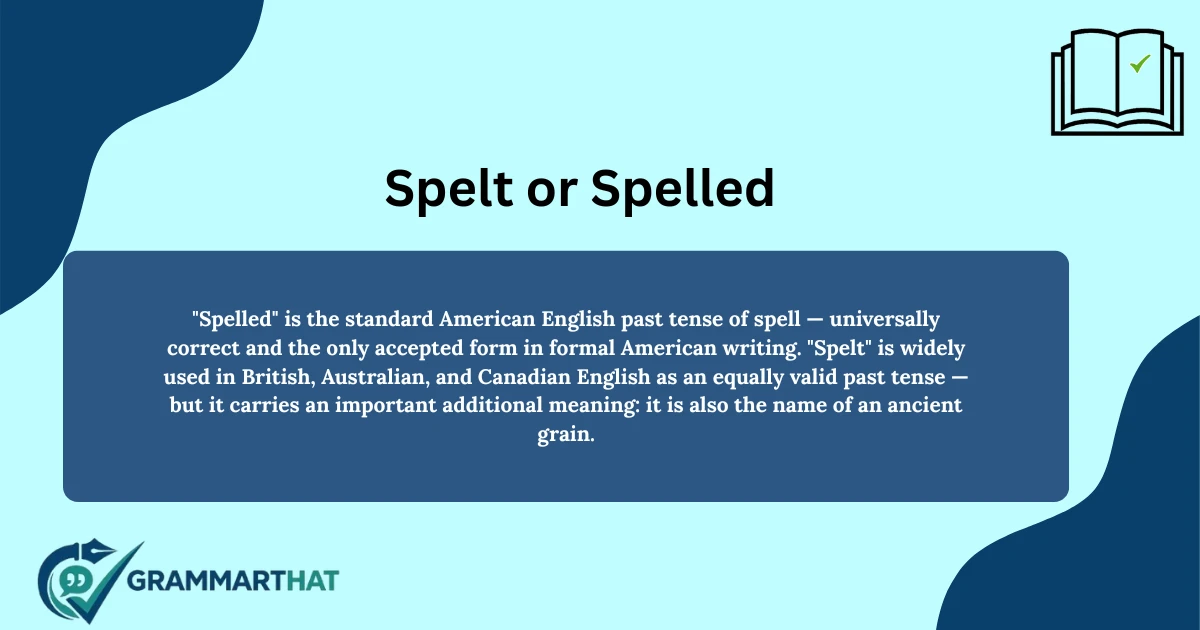
“Spelled” is the standard American English past tense of spell, while “spelt” is more common in British, Australian, and Canadian ...
Read moreBurned or Burnt: The Real Difference 2026
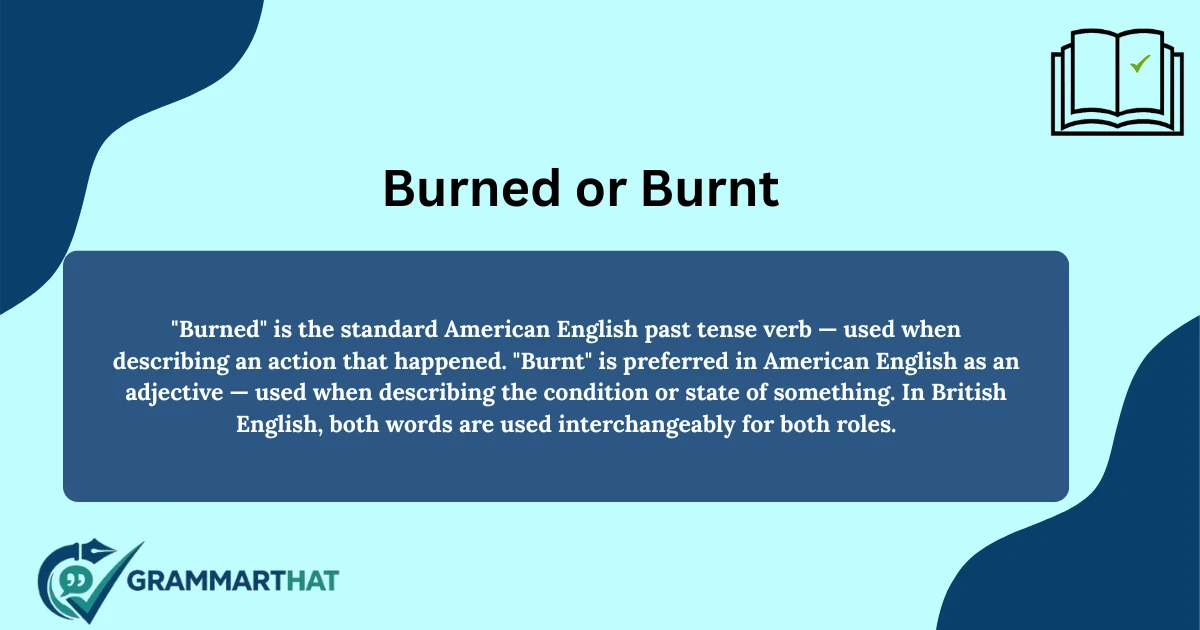
“Burned” is the standard American English past tense of burn, while “burnt” is commonly used as an adjective (such as ...
Read moreDreamed or Dreamt: The Real Difference 2026

“Dreamed” is the standard American English past tense of dream, while “dreamt” is more common in British and Commonwealth English. ...
Read moreAwoke vs. Woke: The Real Difference 2026
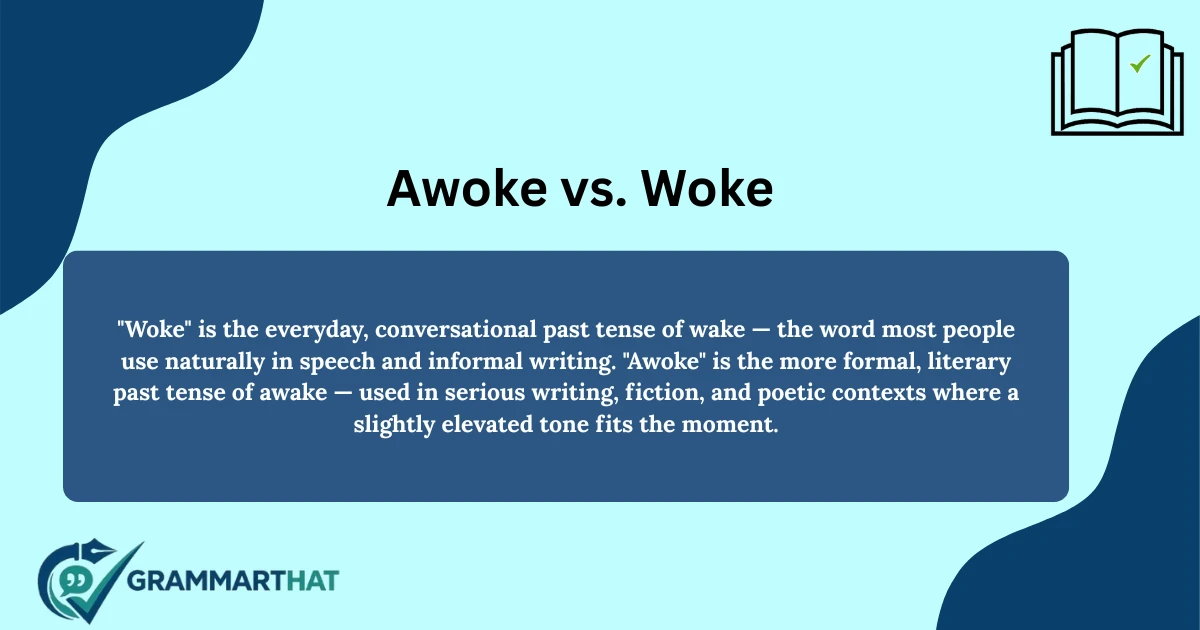
“Woke” is the common past tense of wake, while “awoke” is a more formal and literary alternative. Both are correct ...
Read more“Learned” or “Learnt”? Which Is Correct? 2026
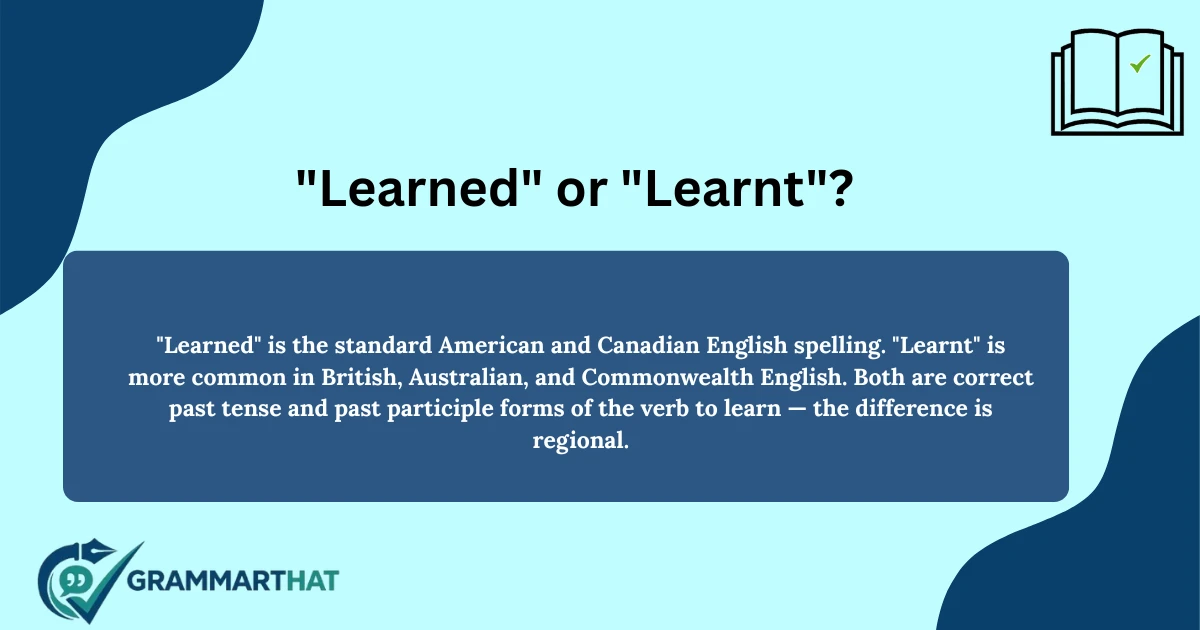
“Learned” and “learnt” are both correct past tense forms of learn. Learned is more common in American and Canadian English, ...
Read moreNor Do I vs. Neither Do I: The Real Difference 2026
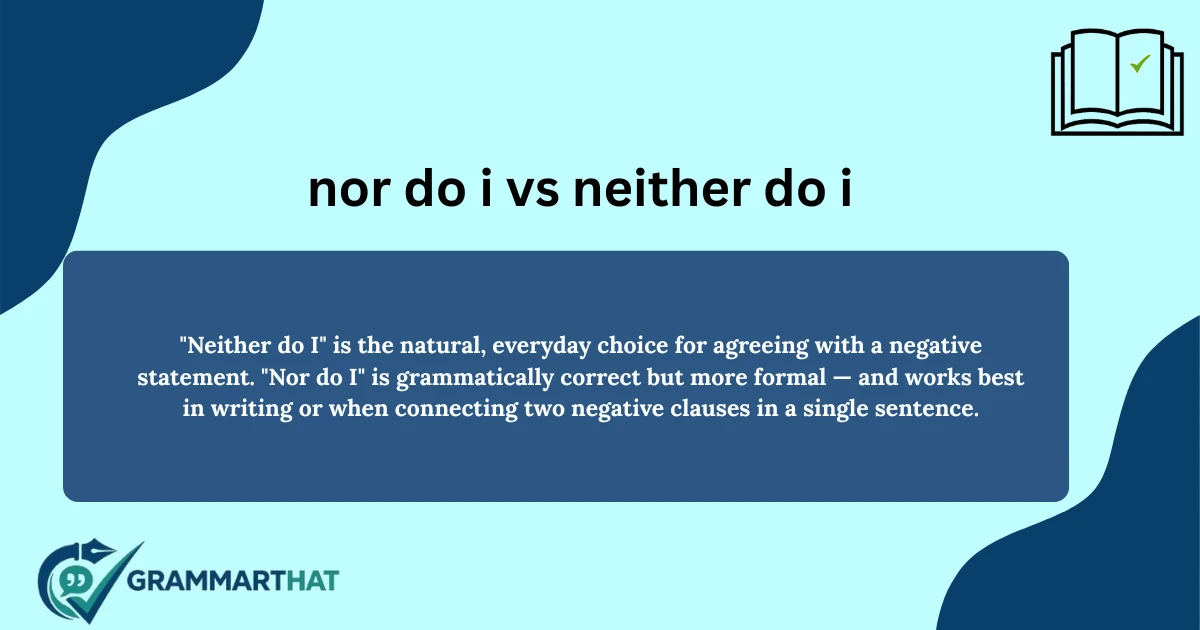
“Neither do I” is the common everyday response to a negative statement, while “Nor do I” sounds more formal. Both ...
Read morePer Say or Per Se: Which One Is Correct? 2026
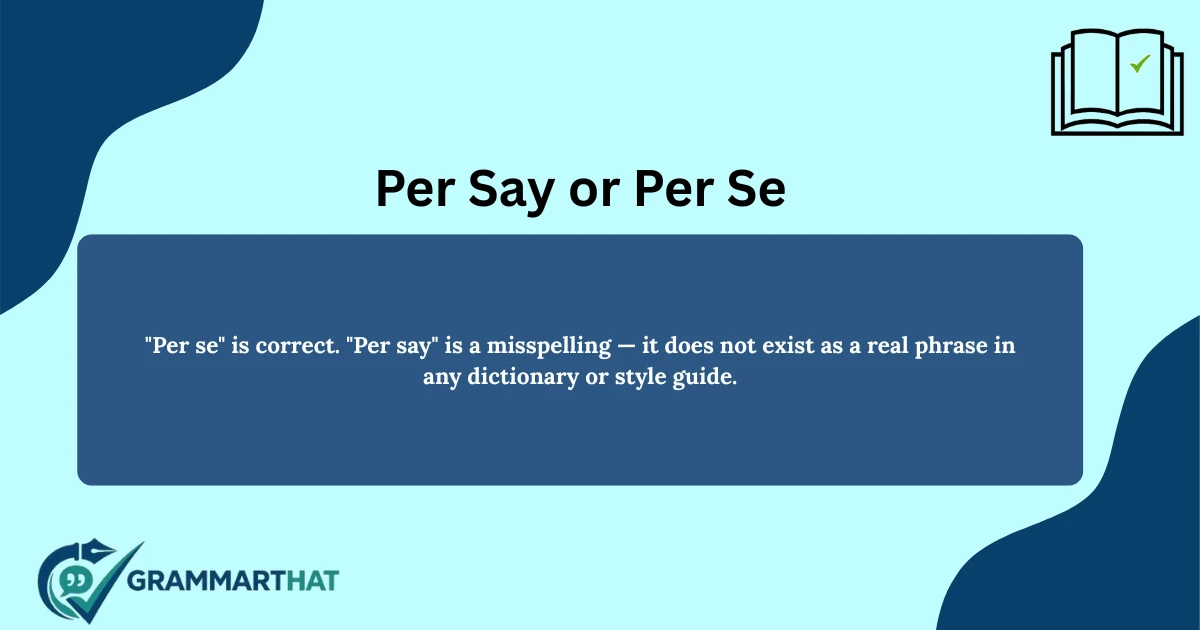
“Per se” is correct. “Per say” is a misspelling and is not recognized in any standard dictionary or style guide. ...
Read moreReschedule To or Reschedule For: Which Is Correct? 2026
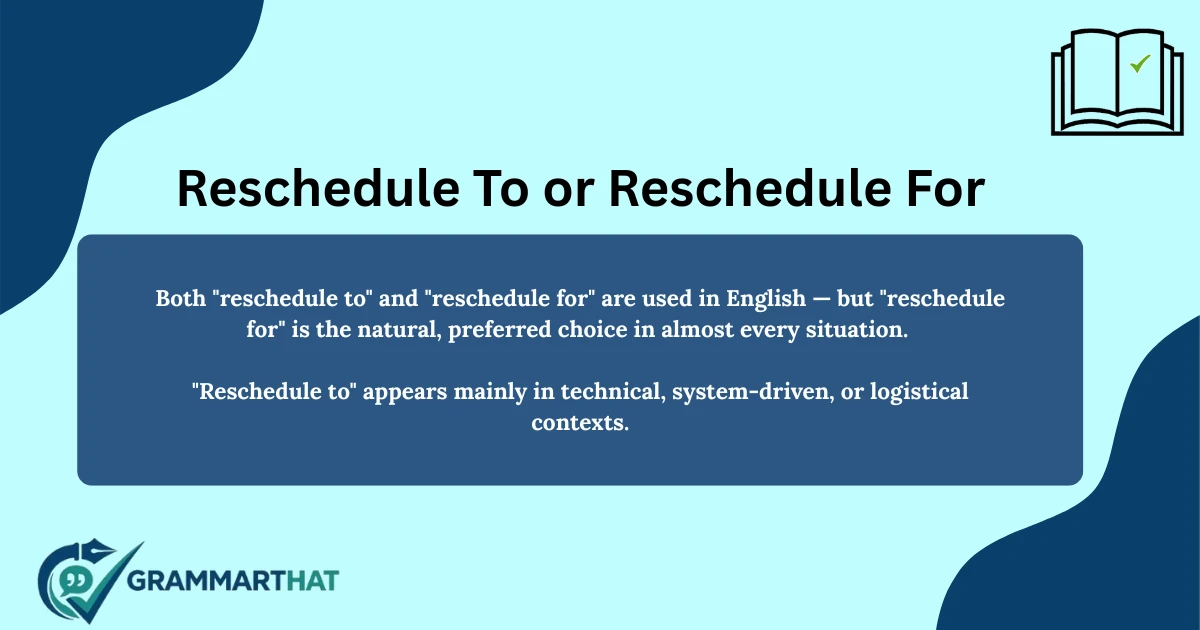
Both “reschedule to” and “reschedule for” are used in English — but they are not equally common. “Reschedule for” is ...
Read more