Whole Day or All Day: Which Is Correct? 2026
Both “all day” and “whole day” are correct in English — but they do not mean exactly the same thing. ...
Read moreSeparate vs Seperate: Which Is Correct? 2026
Separate is the only correct spelling. Seperate — with an e in the middle instead of an a — is ...
Read moreDo Not vs Don’t: Meaning, Difference, and Correct Usage 2026
“Do not” and “don’t” mean exactly the same thing — but they carry different tones and belong in different contexts. ...
Read moreGluing or Glueing: Which Is Correct? 2026
Gluing is the only correct, standard spelling. Glueing — retaining the e before -ing — is widely considered a misspelling ...
Read moreImbed vs Embed: Meaning, Spelling, and Correct Usage 2026
Imbed and embed mean exactly the same thing — they are two spellings of the same word. The only difference ...
Read moreEaten or Ate: Which Is Correct? 2026
Both ate and eaten are correct — but they belong to different grammatical structures. Ate is the simple past tense ...
Read moreIs Used vs Has Been Used vs Was Used: Which Is Correct? 2026
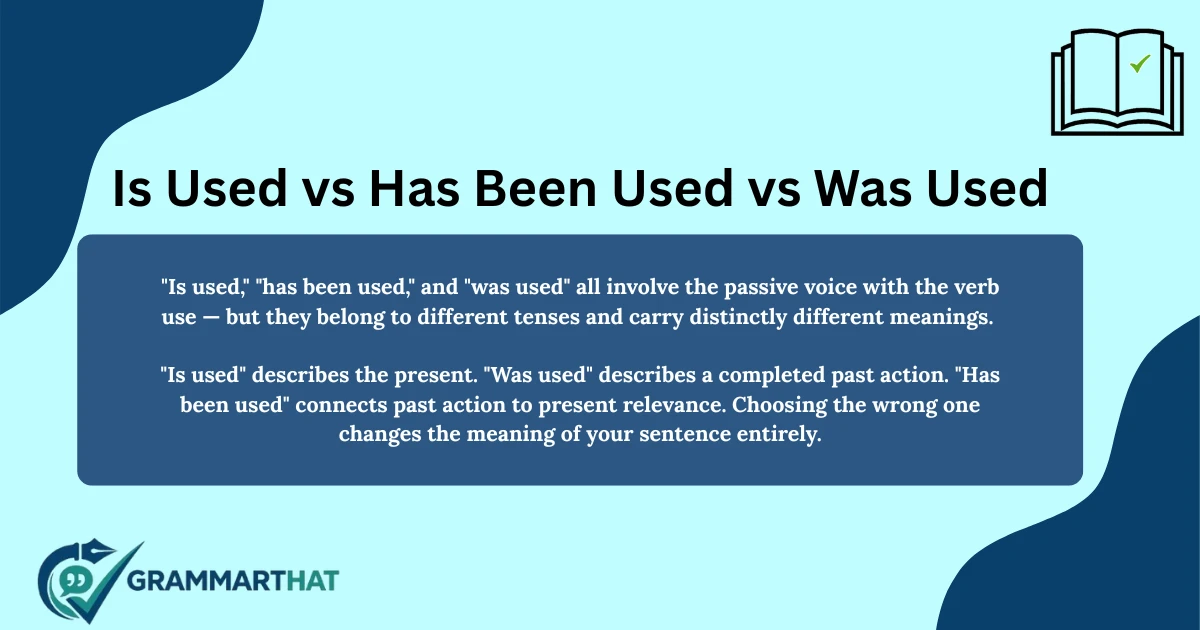
“Is used,” “has been used,” and “was used” all involve the passive voice with the verb use — but they ...
Read moreBetter Than or Better Then: Which Is Correct? 2026
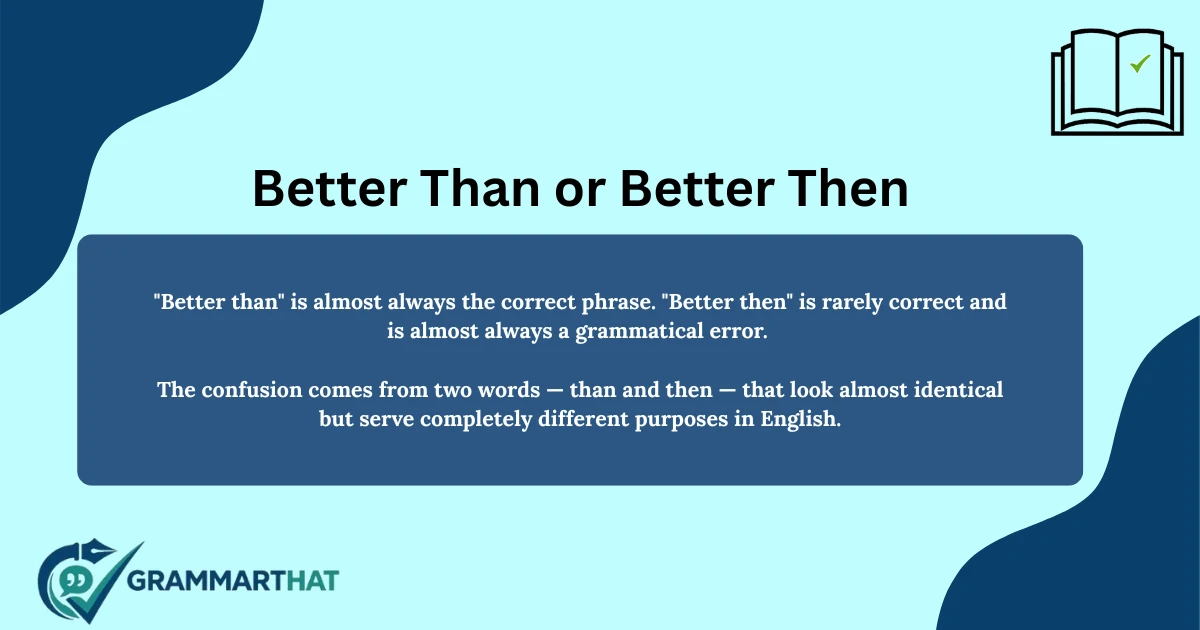
“Better than” is almost always the correct phrase. “Better then” is rarely correct and is almost always a grammatical error. ...
Read moreProved vs Proven: Meaning, Difference, and Correct Usage 2026
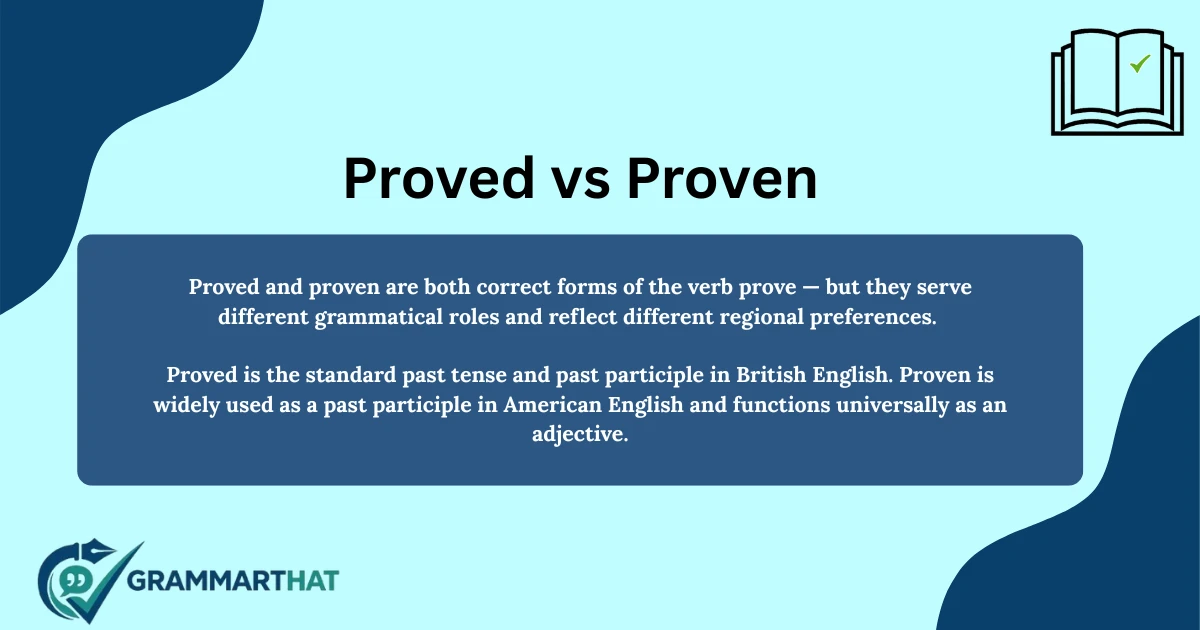
Proved and proven are both correct forms of the verb prove — but they serve different grammatical roles and reflect ...
Read moreGases or Gasses: Which Is Correct? 2026
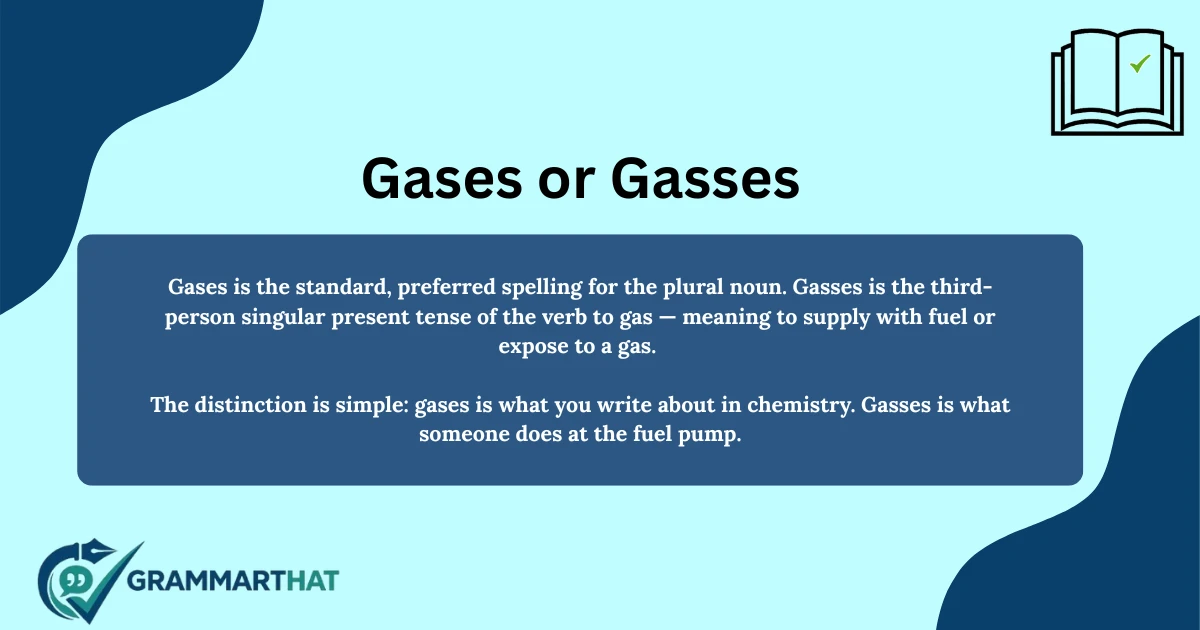
Gases is the standard, preferred spelling for the plural noun, while gasses is the third-person singular present tense of the ...
Read more