Dual vs. Duel: The Real Difference 2026
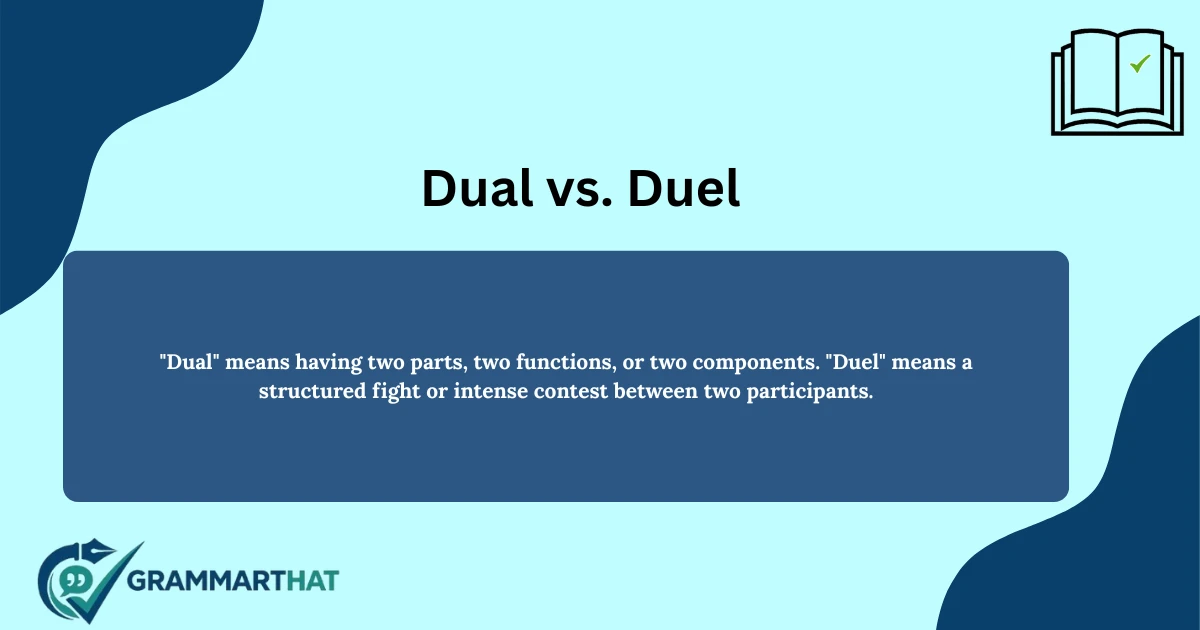
Dual means something with two parts, functions, or aspects, while duel refers to a formal fight or direct contest between ...
Read moreSmelled or Smelt: The Real Difference 2026
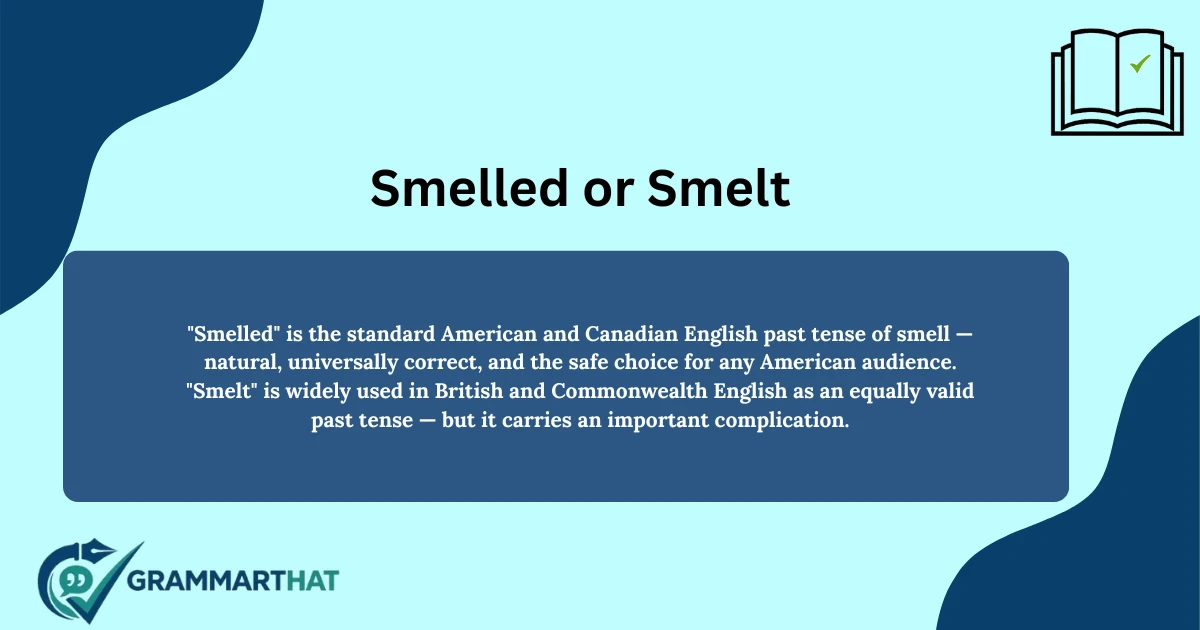
“Smelled” is the standard American and Canadian English past tense of smell, while “smelt” is more common in British and ...
Read moreSpelt or Spelled? | Spelling, Difference & Examples
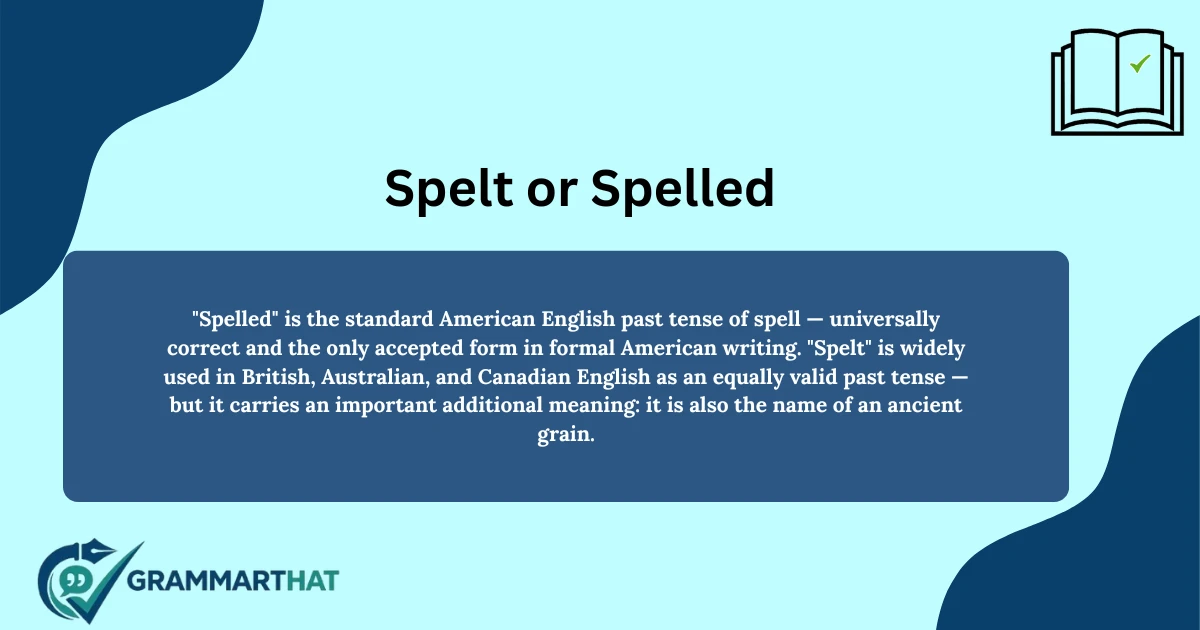
“Spelled” is the standard American English past tense of spell, while “spelt” is more common in British, Australian, and Canadian ...
Read moreRancor vs Rancour: Meaning, Difference, Usage & Examples
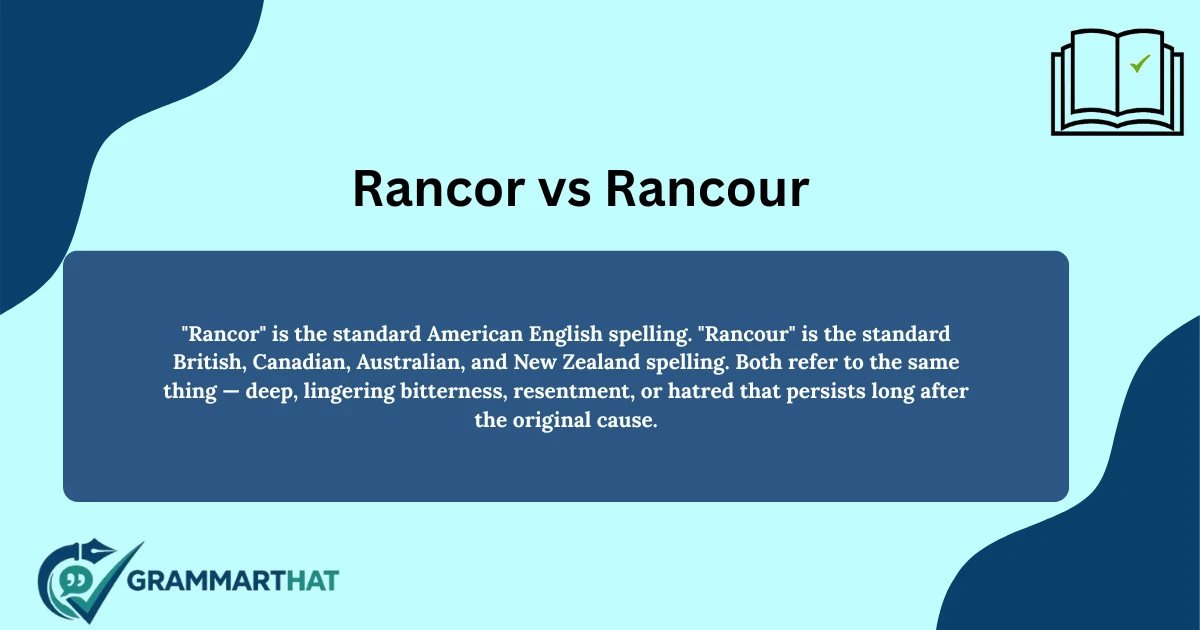
“Rancor” is the standard American English spelling, while “rancour” is preferred in British, Canadian, Australian, and New Zealand English. Both ...
Read moreBurned or Burnt: The Real Difference 2026
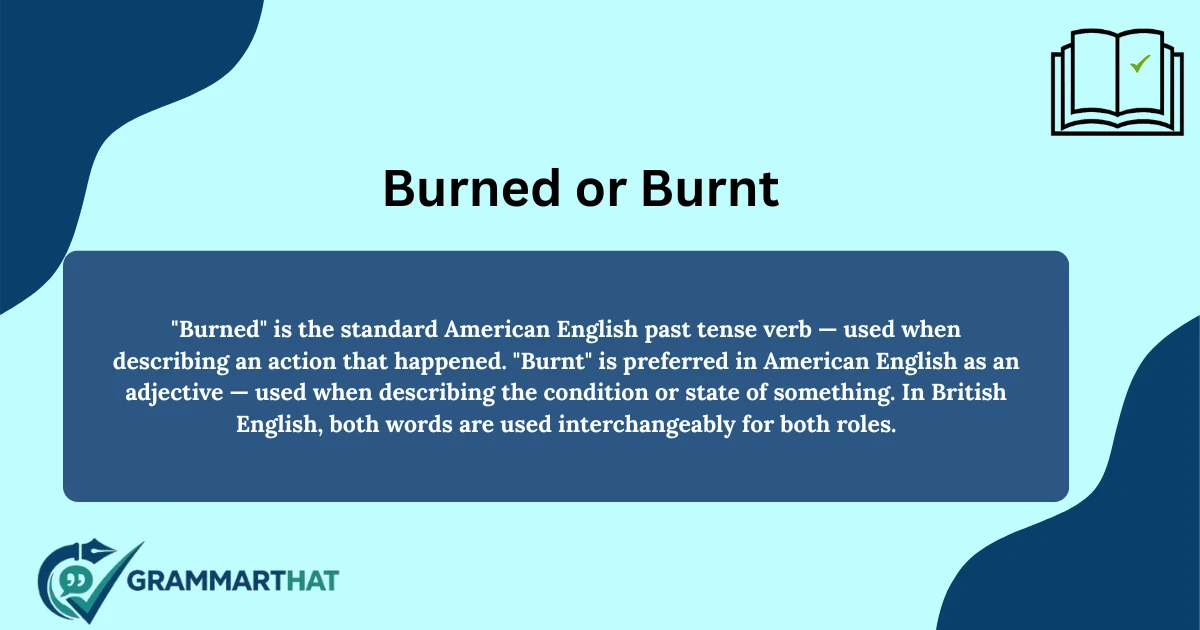
“Burned” is the standard American English past tense of burn, while “burnt” is commonly used as an adjective (such as ...
Read moreChoose vs. Select: The Real Difference 2026
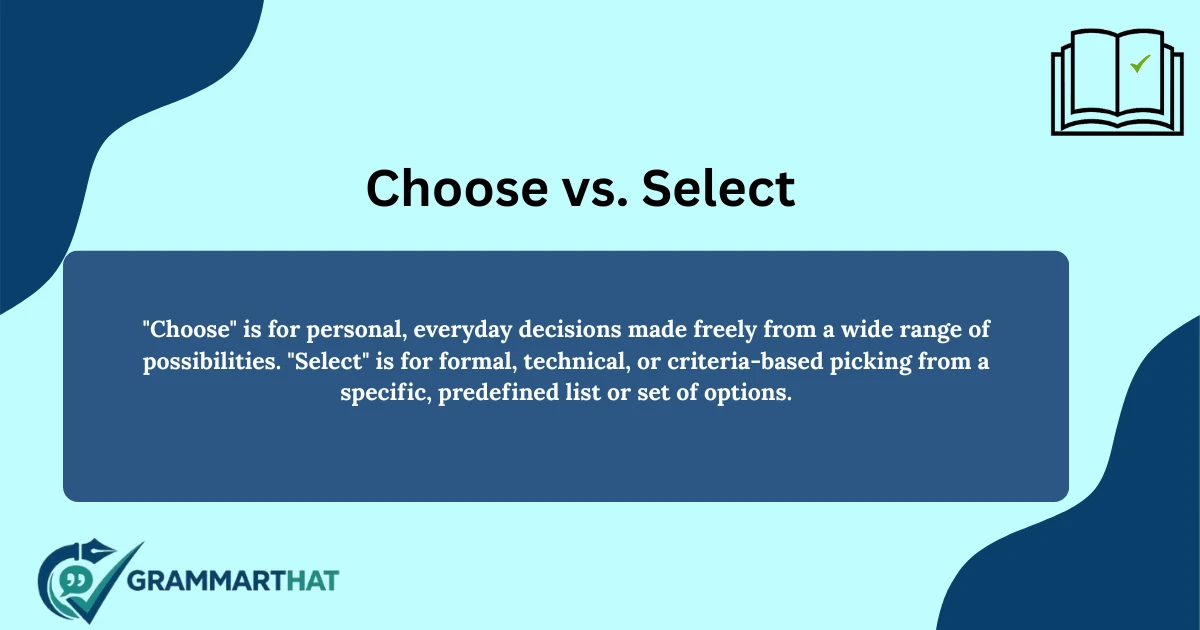
Choose is the everyday word for making personal decisions, while select sounds more formal and deliberate. Both mean to pick ...
Read moreDreamed or Dreamt: The Real Difference 2026
“Dreamed” is the standard American English past tense of dream, while “dreamt” is more common in British and Commonwealth English. ...
Read moreAwoke vs. Woke: The Real Difference 2026
“Woke” is the common past tense of wake, while “awoke” is a more formal and literary alternative. Both are correct ...
Read moreInnate vs. Enate Homophones: Spelling & Definition
Innate refers to qualities present from birth, while enate describes relationships traced through the mother’s side of the family. They ...
Read more“Learned” or “Learnt”? Which Is Correct? 2026
“Learned” and “learnt” are both correct past tense forms of learn. Learned is more common in American and Canadian English, ...
Read more