Receiver vs Reciever: What’s the Real Difference?
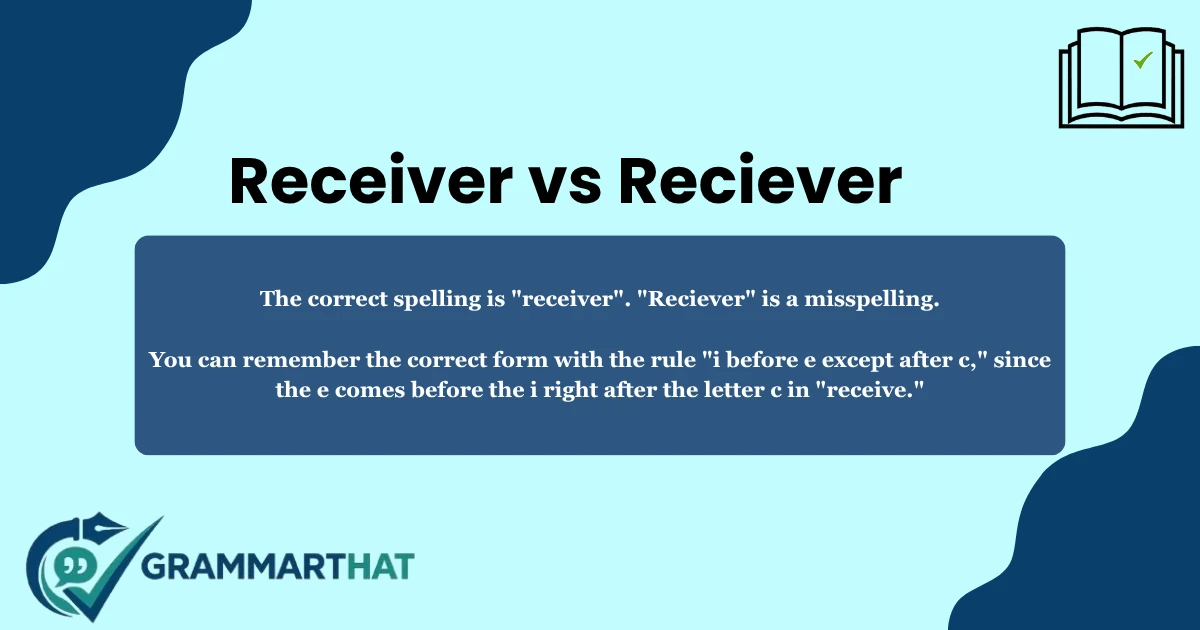
The correct spelling is “receiver”. “Reciever” is a misspelling. You can remember the correct form with the rule “i before ...
Read moreCurb vs Kerb: What’s the Real Difference?
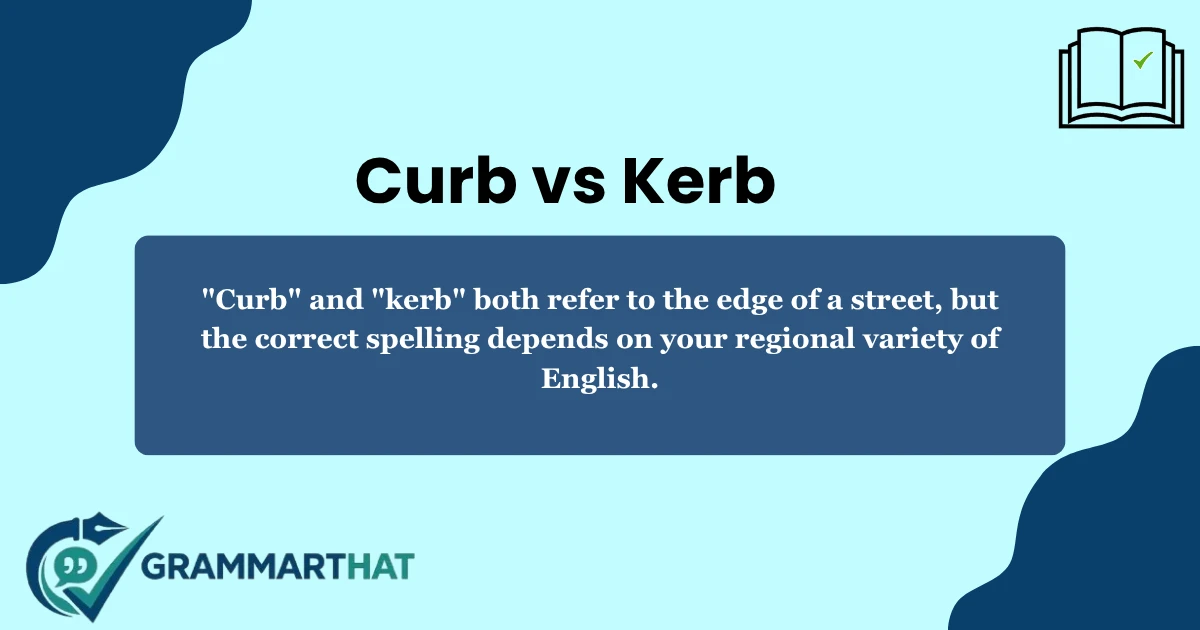
“Curb” and “kerb” both refer to the edge of a street, but the correct spelling depends on your regional variety ...
Read moreAx vs Axe: What’s the Real Difference?
“Ax” and “axe” are both correct spellings of the same tool. The choice between them depends mainly on your regional ...
Read moreSeem vs Seems: What’s the Real Difference?
“Seem” and “seems” have the exact same meaning — they both mean to give an impression, look a certain way, ...
Read moreNighttime vs Night Time: What’s the Real Difference?
“Nighttime” (one word) and “night time” (two words) mean the exact same thing: the period of darkness between dusk and ...
Read moreAhead vs A Head: What’s the Real Difference?
“Ahead” is a single word used as an adverb or preposition meaning forward, in front, or in the future, while ...
Read moreConcurrent vs Simultaneous: What’s the Real Difference?
“Concurrent” and “simultaneous” both describe things happening at the same time, but they don’t mean exactly the same thing. “Concurrent” ...
Read moreNosey vs Nosy: Spelling, Meaning & Correct Usage
“Nosy” is the standard spelling for someone overly curious about other people’s business, while “nosey” is a recognized variant spelling ...
Read moreLeaned or Leant: The Real Difference

“Leaned” is the standard American English past tense of lean, while “leant” is preferred in British, Canadian, Australian, and other ...
Read moreChoir vs. Chorus: The Real Difference 2026
Choir usually refers to a formally organized vocal group in churches, schools, or concerts, while chorus often means a larger ...
Read more