Nor Do I vs. Neither Do I: The Real Difference 2026
“Neither do I” is the common everyday response to a negative statement, while “Nor do I” sounds more formal. Both ...
Read moreCanceled or Cancelled: The Real Difference 2026
“Canceled” and “cancelled” are both correct spellings with the same meaning. Canceled is common in American English, while cancelled is ...
Read moreTheatre or Theater: The Real Difference 2026
“Theater” and “theatre” are both correct spellings for live performance venues and dramatic arts. Theater is common in American English, ...
Read moreHail vs. Hale: What’s the Difference?
Hail and hale sound the same but have different meanings. Hail relates to weather, greetings, or calling, while hale describes ...
Read moreTrawling vs. Trolling: The Real Difference 2026
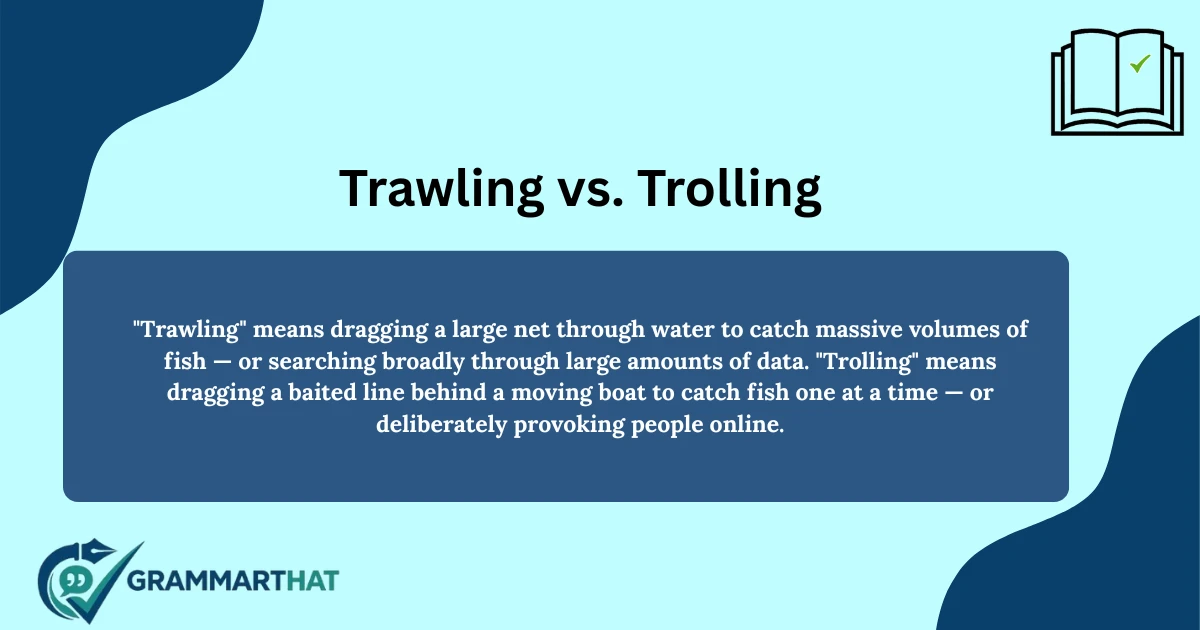
Trawling means dragging a net or searching through large amounts of information, while trolling means fishing with a line or ...
Read moreModelling or Modeling: The Real Difference 2026
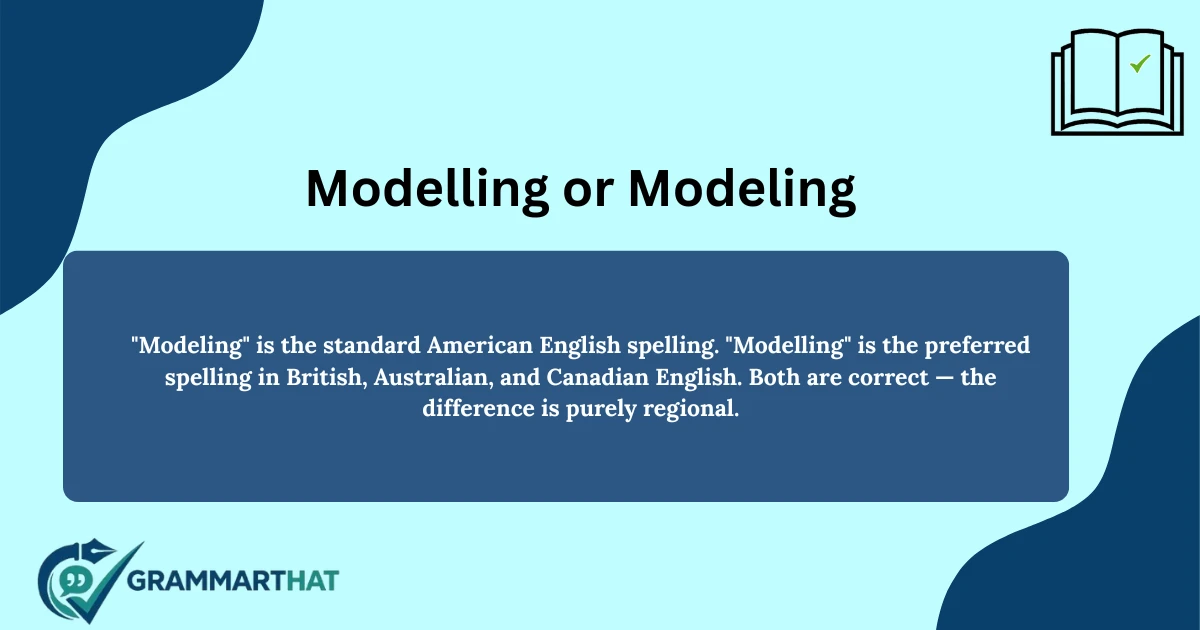
“Modeling” and “modelling” are both correct spellings with the same meaning. Modeling is standard in American English, while modelling is ...
Read moreResister vs. Resistor: The Real Difference 2026
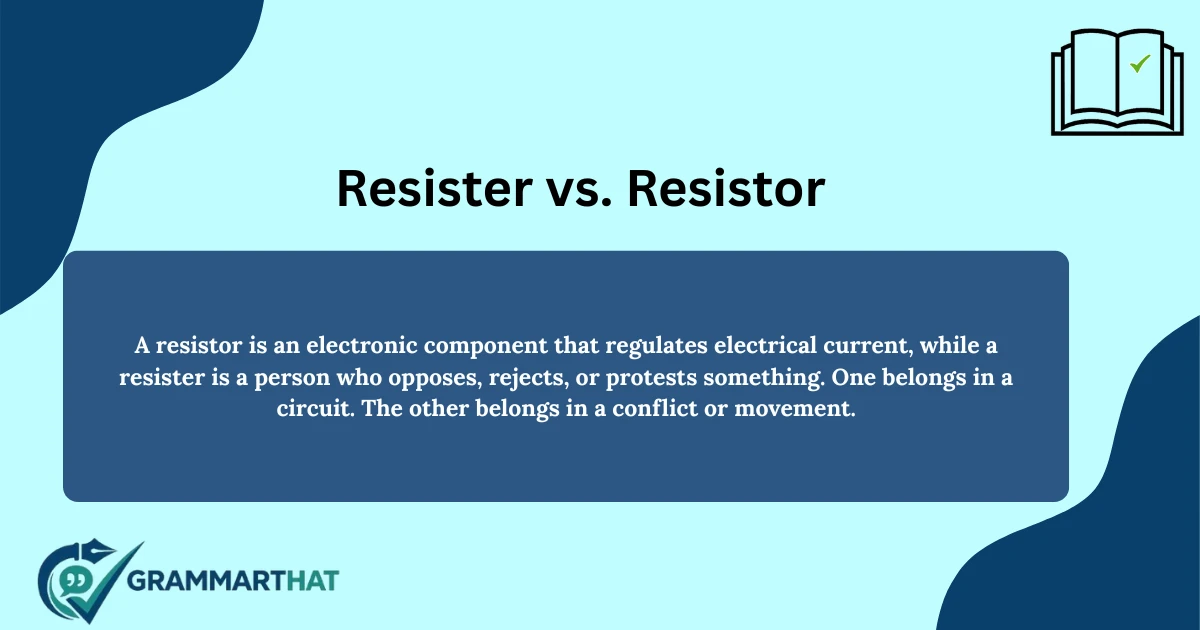
“Resistor” is an electronic component that controls electrical current, while a “resister” is a person who opposes or protests something. ...
Read moreCheque vs. Check: The Real Difference 2026
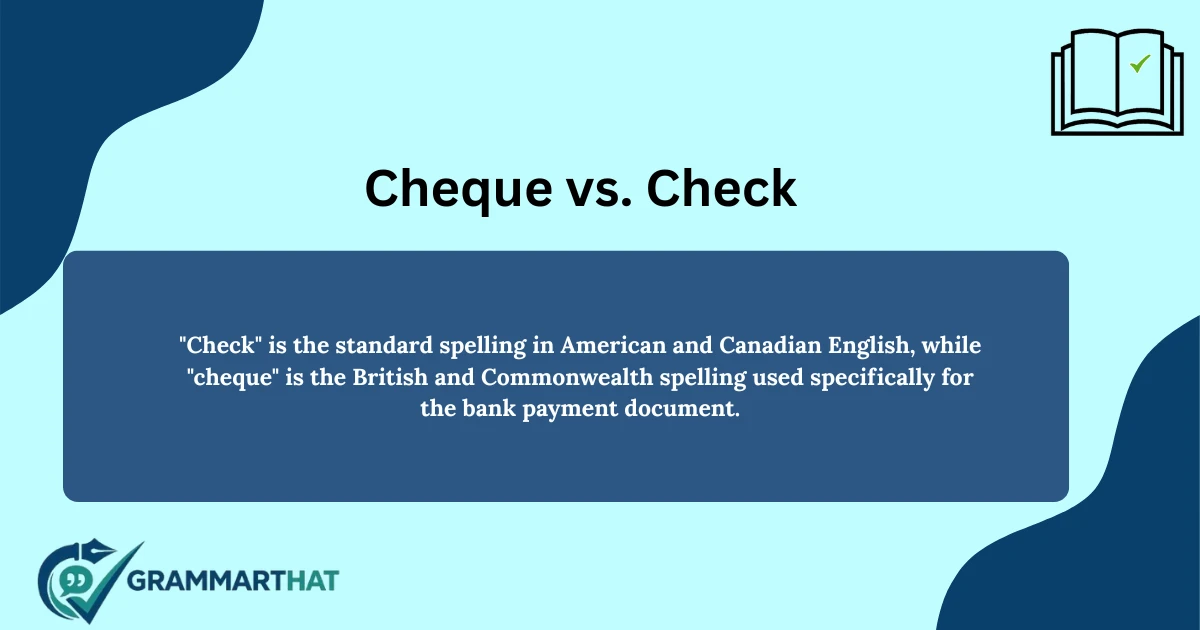
“Check” and “cheque” refer to the same bank payment document. Check is the American spelling, while cheque is used in ...
Read moreGood Morning or Goodmorning: Which One Is Correct? 2026
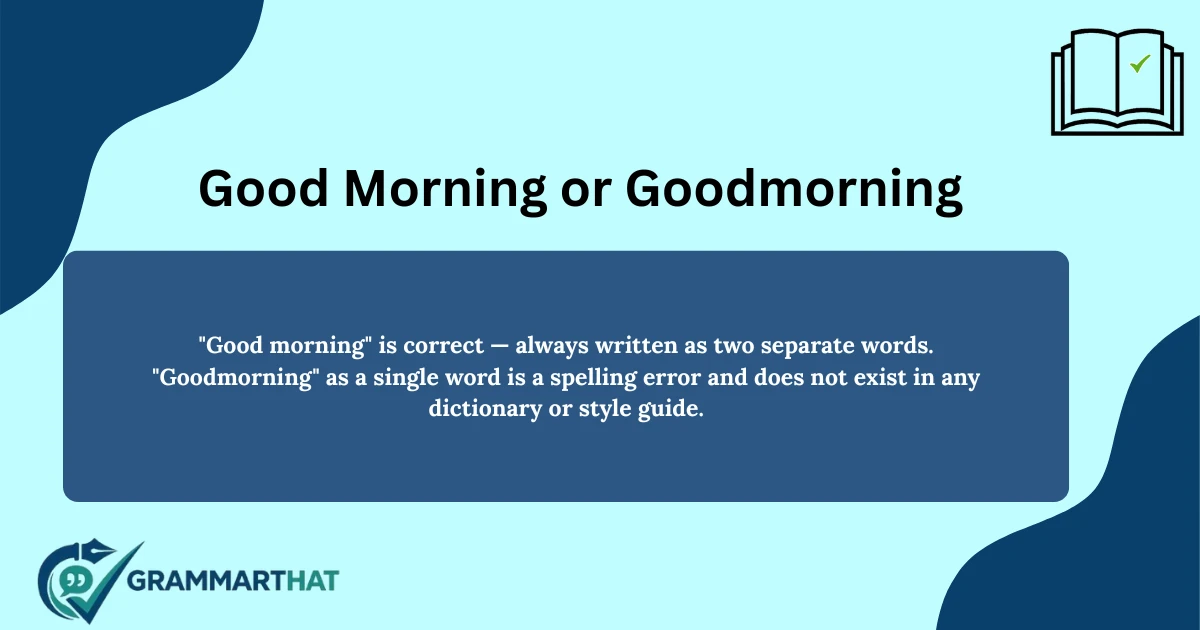
“Good morning” is correct — always written as two separate words. “Goodmorning” as a single word is a spelling error ...
Read moreSpoilt vs. Spoiled: The Real Difference 2026
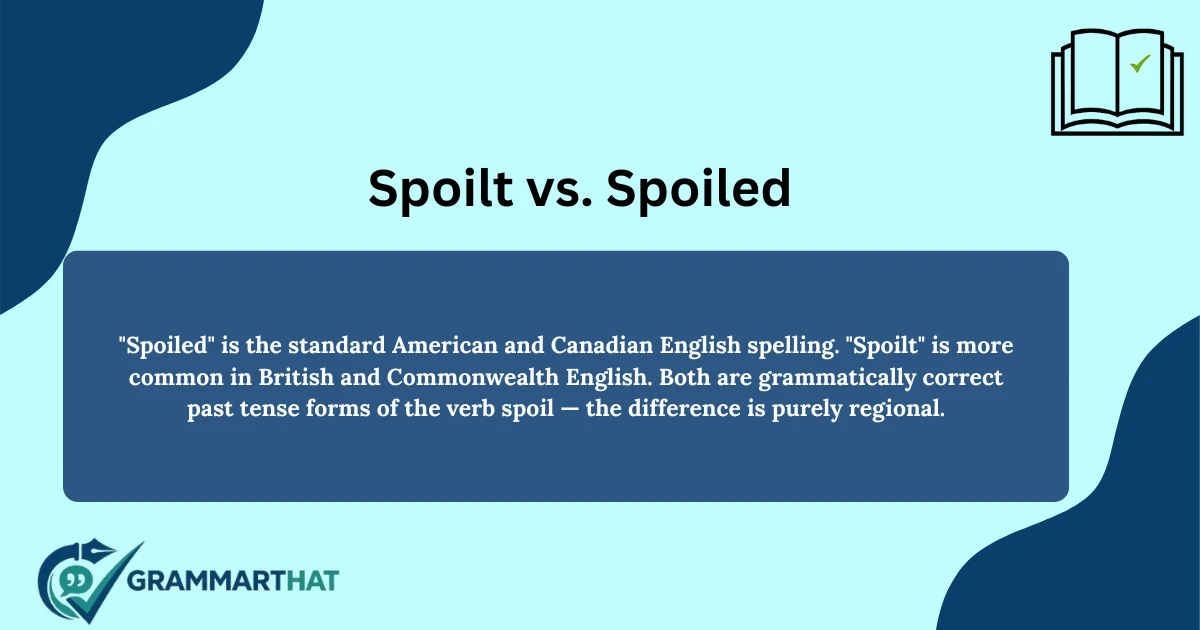
“Spoiled” is the standard spelling in American and Canadian English, while “spoilt” is more common in British and Commonwealth English. ...
Read more