Quieter vs More Quiet: What’s the Real Difference?
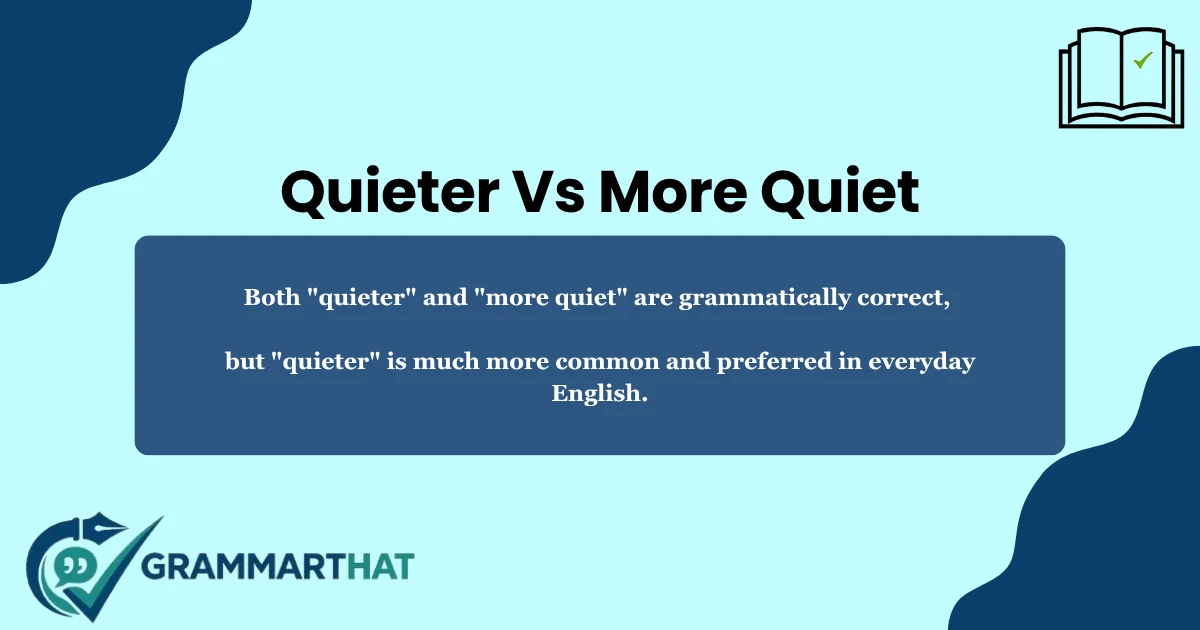
Both “quieter” and “more quiet” are grammatically correct. However, “quieter” is much more common and preferred in everyday English. This ...
Read moreSimpler vs More Simple: What’s the Real Difference?
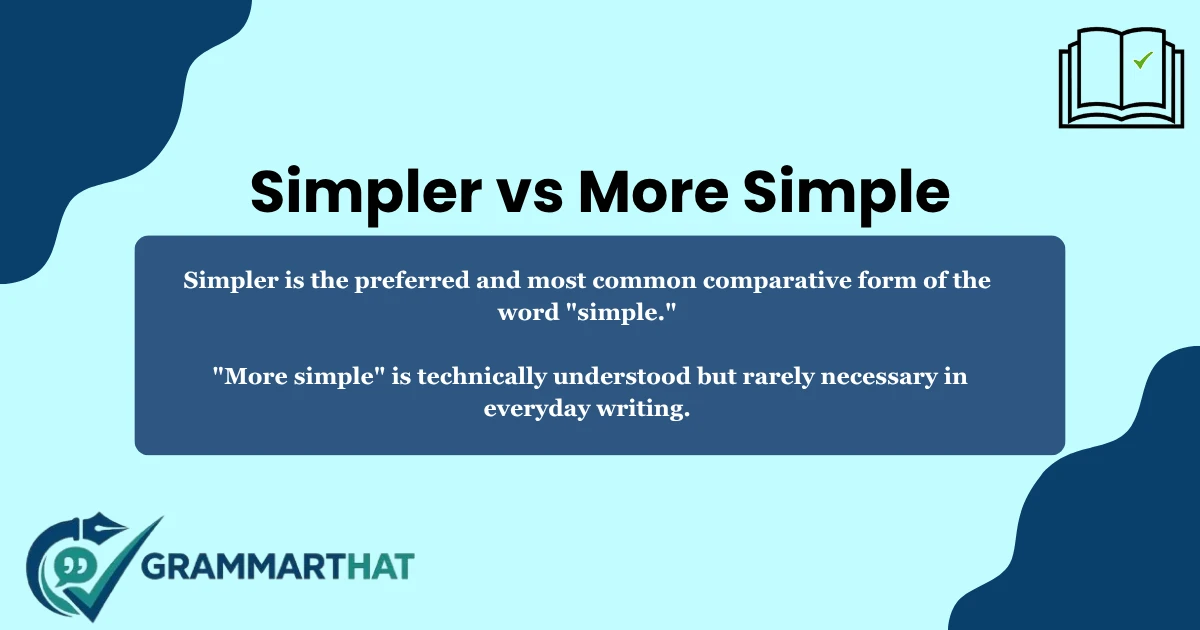
“Simpler” is the preferred and most common comparative form of the word “simple.” “More simple” is technically understood but is ...
Read moreSwap vs Swop: What’s the Real Difference?
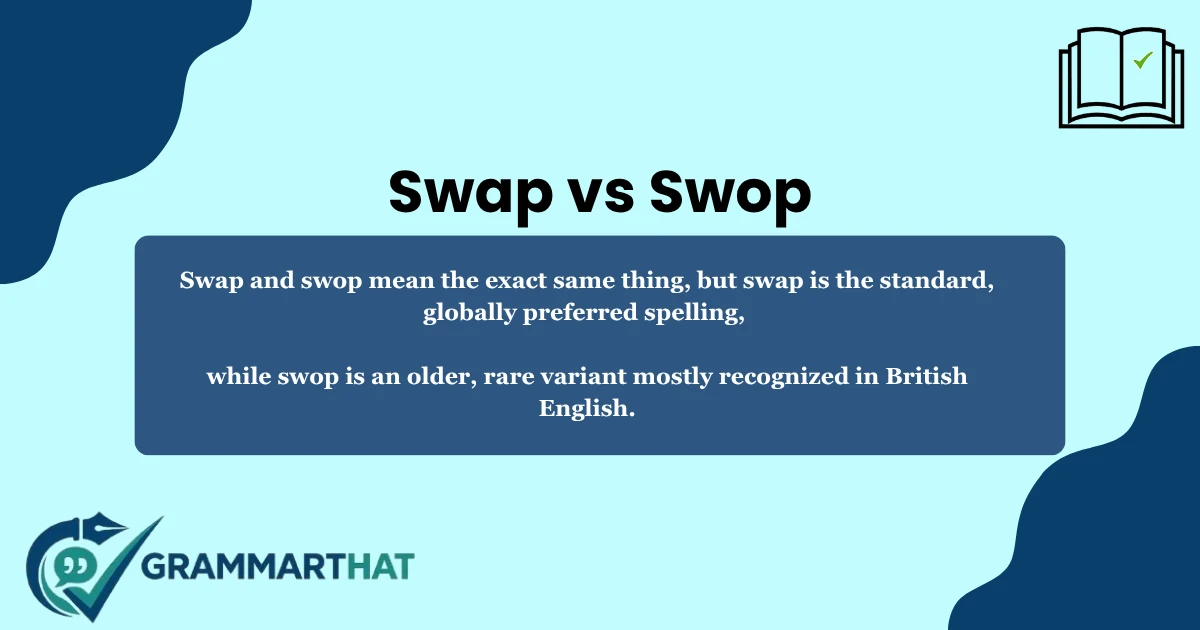
“Swap” and “swop” mean the exact same thing, but “swap” is the standard, globally preferred spelling. “Swop” is an older, ...
Read moreTying O Tieing: What’s the Real Difference?
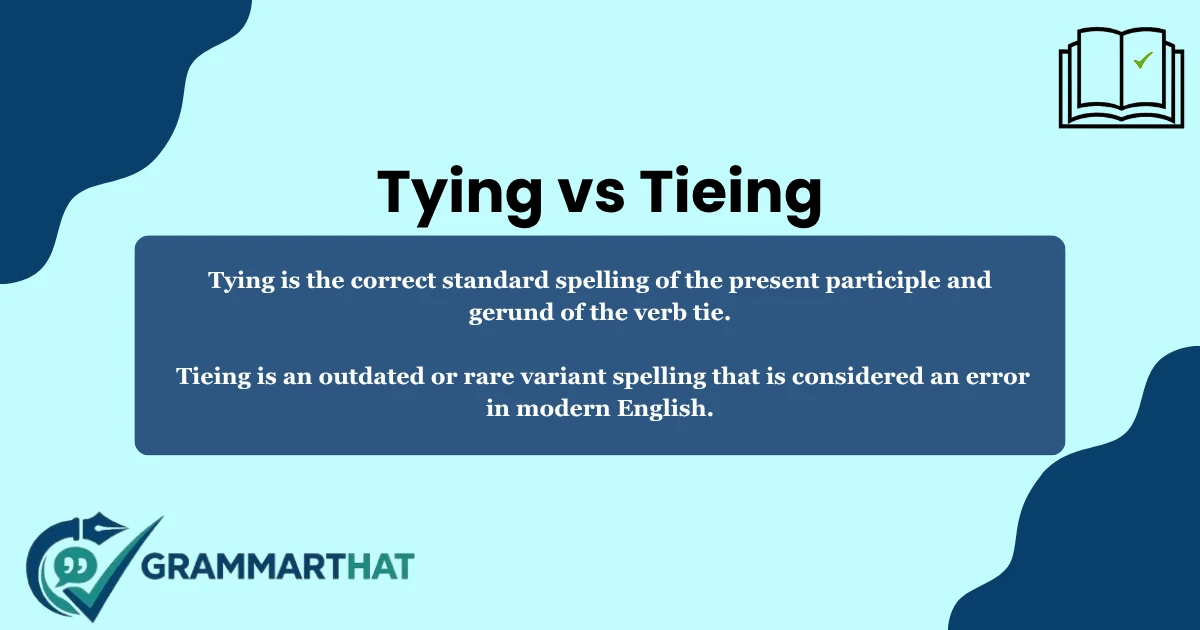
“Tying” is the correct standard spelling of the present participle and gerund of the verb “tie,” meaning to fasten, make ...
Read moreOn Site or On-Site: What is the Difference & Which is Correct?
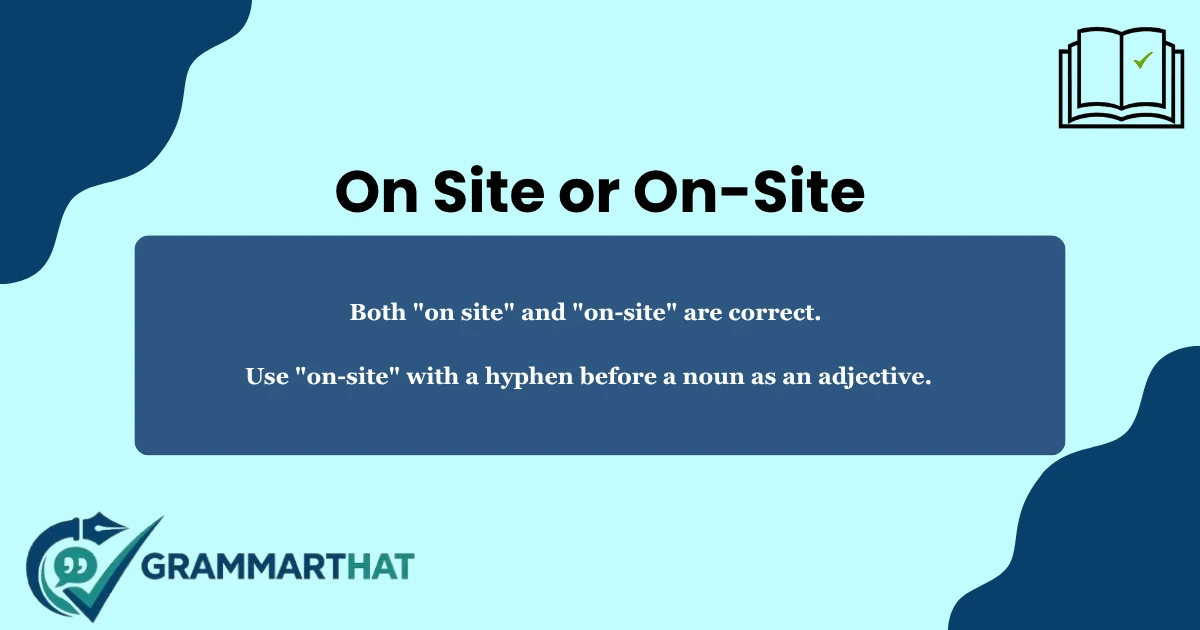
Both “on site” and “on-site” are correct. Use “on-site” with a hyphen before a noun as an adjective. Use “on ...
Read moreEventhough vs Even Though: What’s the Real Difference?
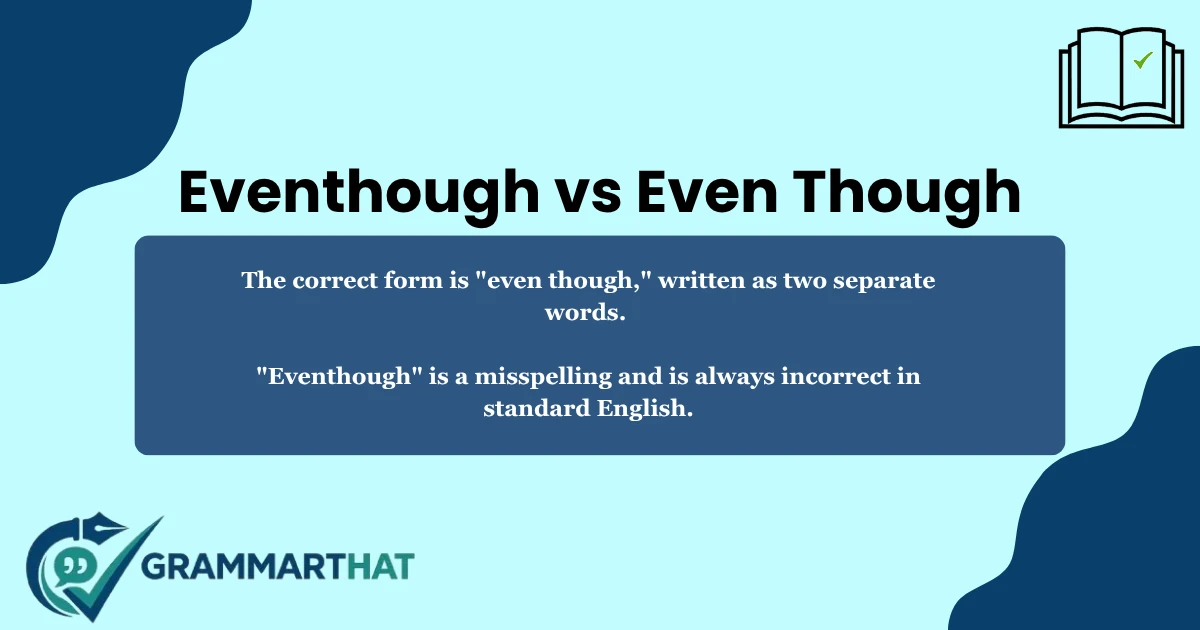
The correct form is “even though,” written as two separate words. “Eventhough” is a misspelling and is always incorrect in ...
Read moreJobsite or Job Site: What is the Difference & Which is Correct?
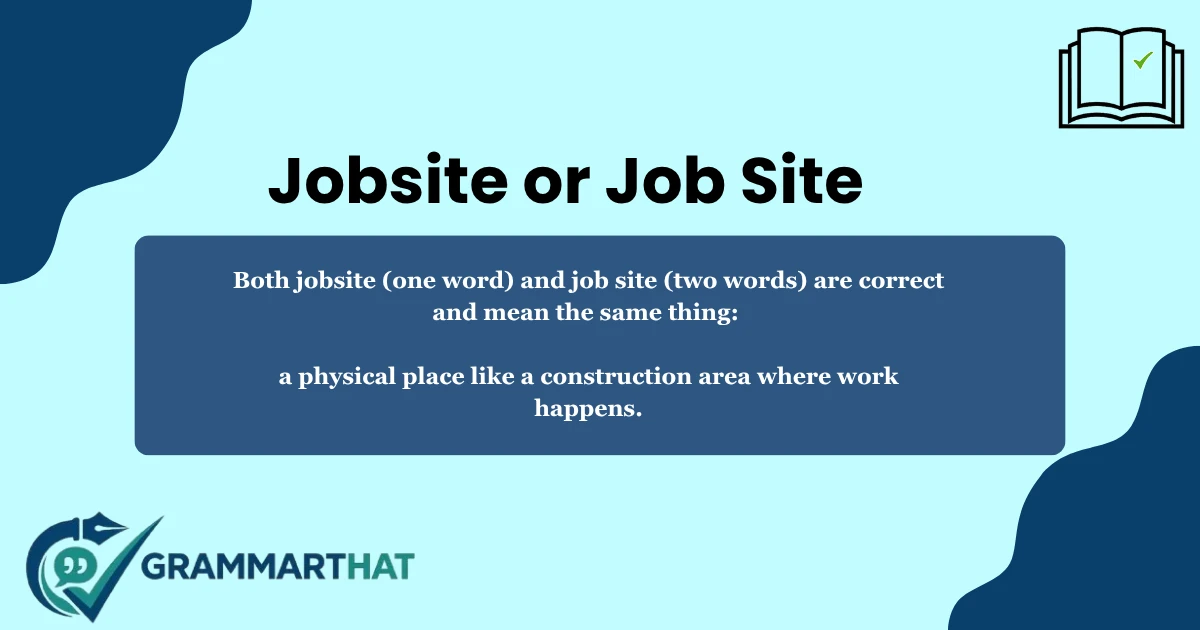
Both “jobsite” (one word) and “job site” (two words) are correct and mean the same thing: a physical place like ...
Read moreShown vs Showed: What’s the Difference? Easy Examples
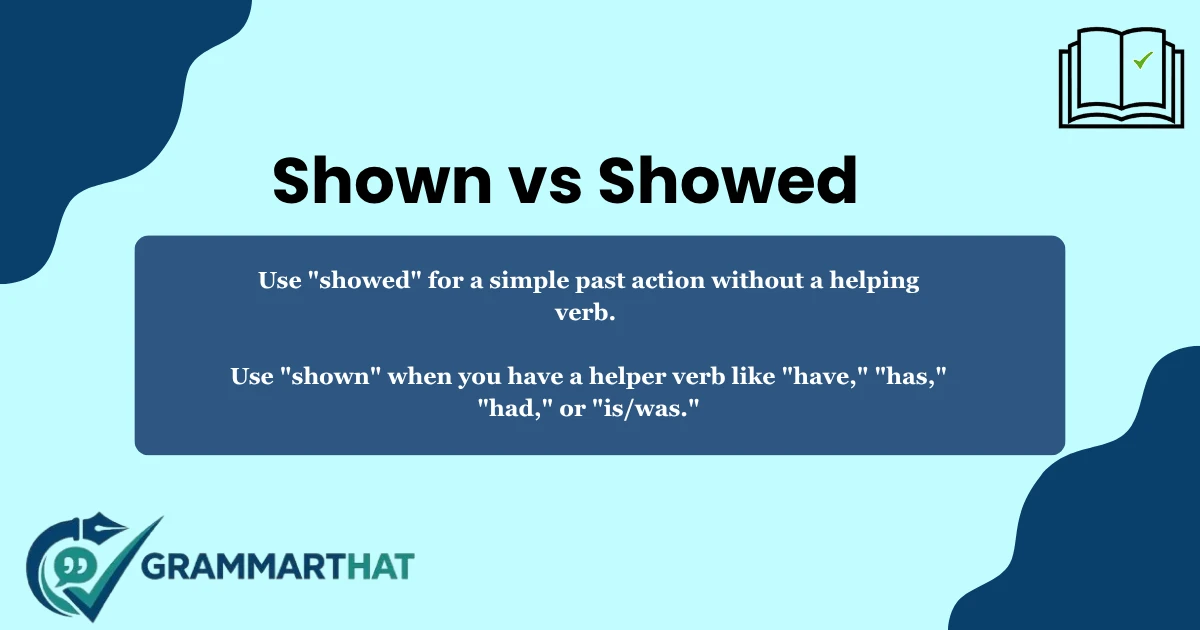
Use “showed” for a simple past action without a helping verb. Use “shown” when you have a helper verb like ...
Read moreSegway or Segue? Learn the Difference in 2 Minutes
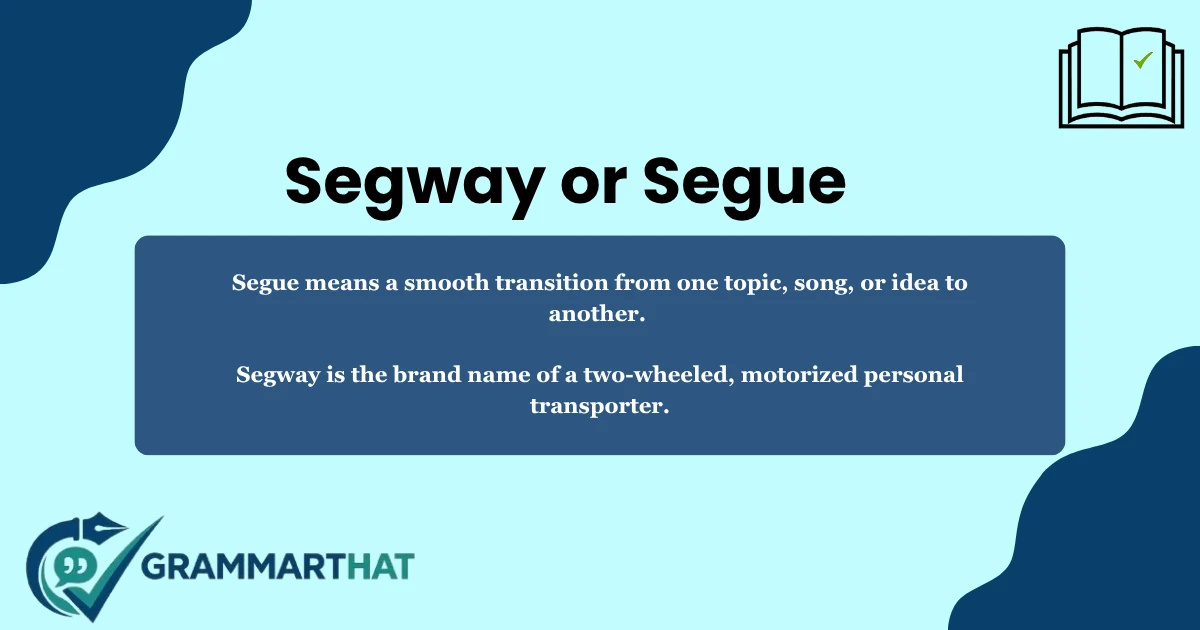
“Segue” is the word you need when you want to describe a smooth, uninterrupted transition from one topic, song, or ...
Read morePursue vs Persue: What’s the Real Difference?
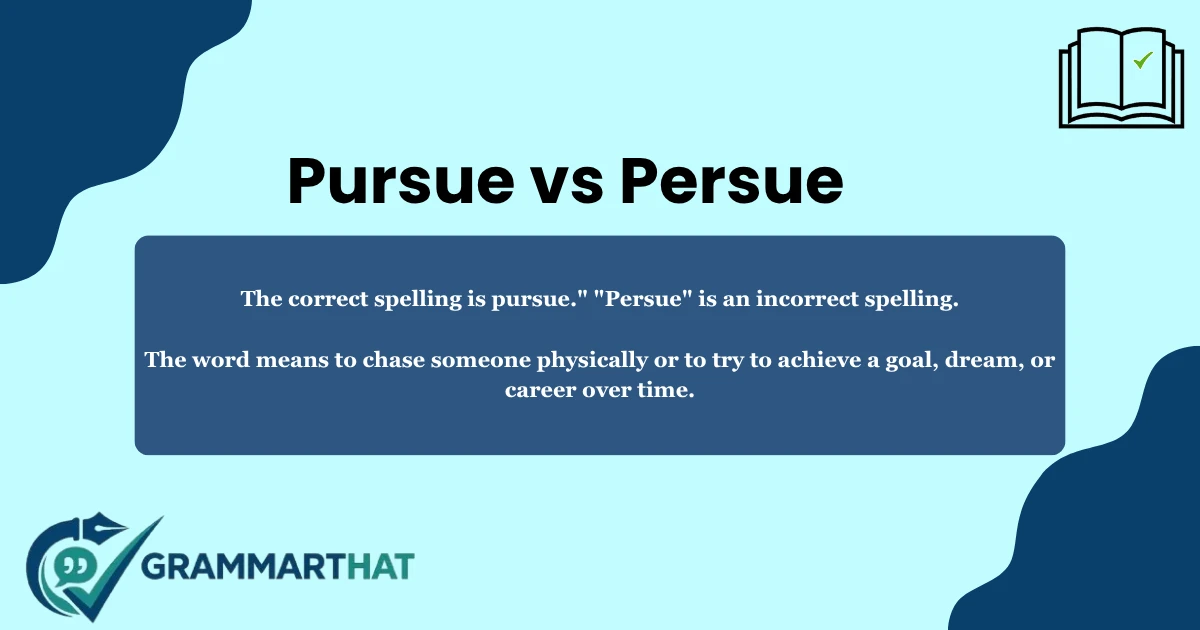
The correct spelling is “pursue.” “Persue” is an incorrect spelling. The word means to chase someone physically or to try ...
Read more