Impatient vs Inpatient: Meaning, Difference and Usage 2026
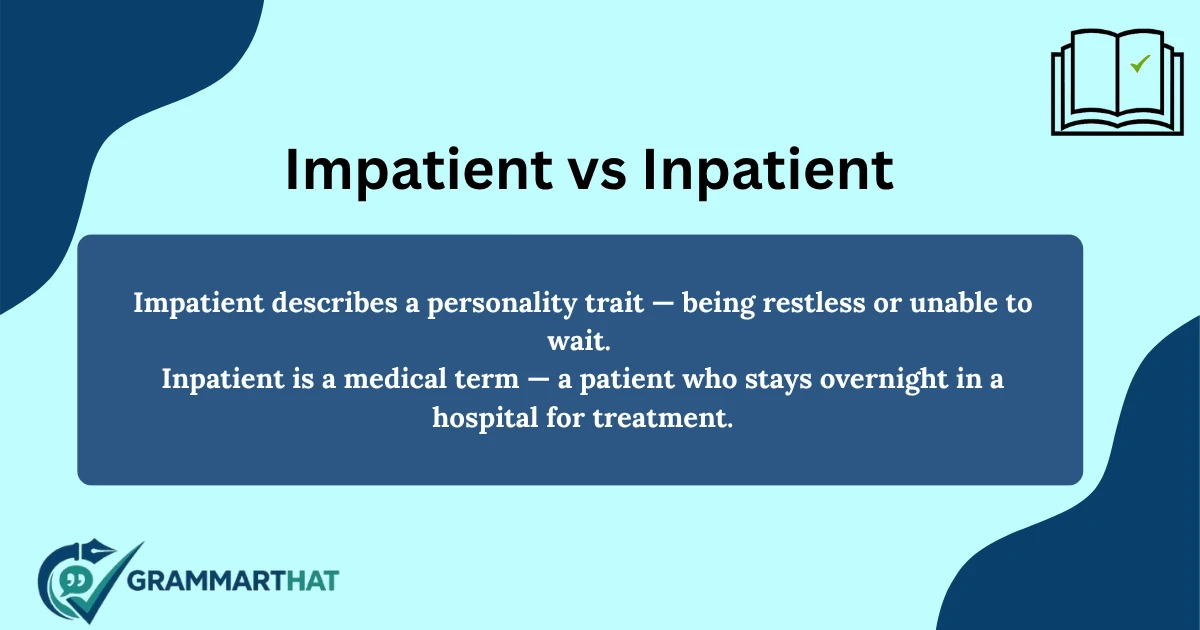
Impatient and inpatient look almost identical — just one letter apart — but they belong to completely different worlds. Impatient ...
Read moreEmasculate vs Demasculate: Meaning, Difference & Usage 2026
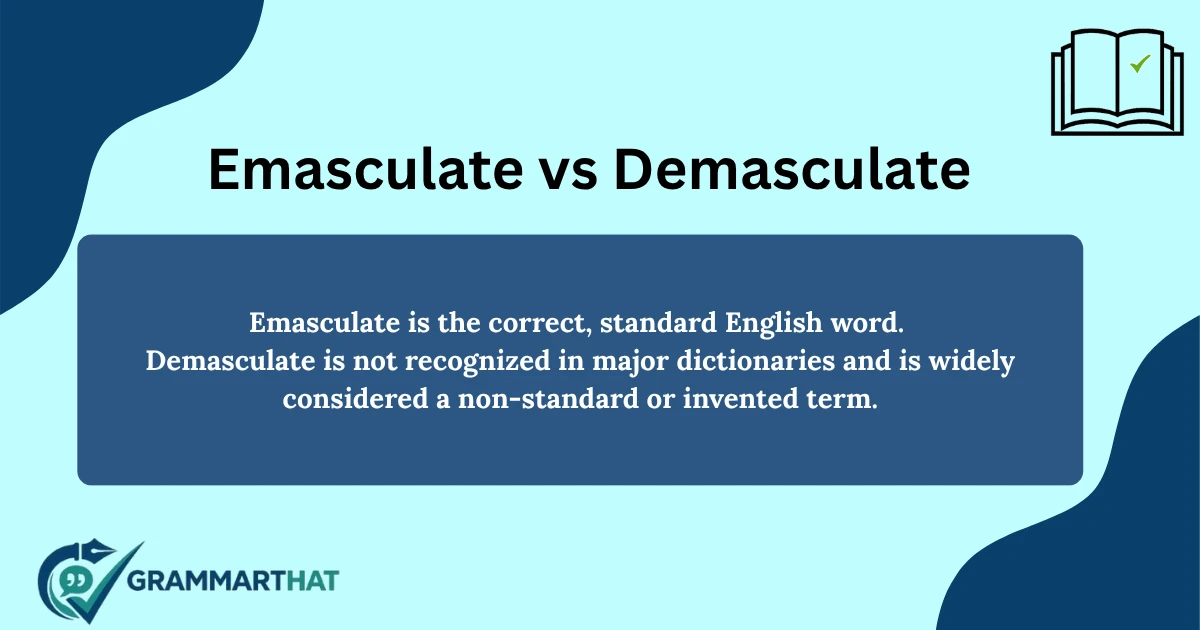
Emasculate is the correct, standard English word. Demasculate is not recognized in major dictionaries and is widely considered a non-standard ...
Read moreTo Fast or Too Fast: Meaning, Difference, and Correct Usage 2026
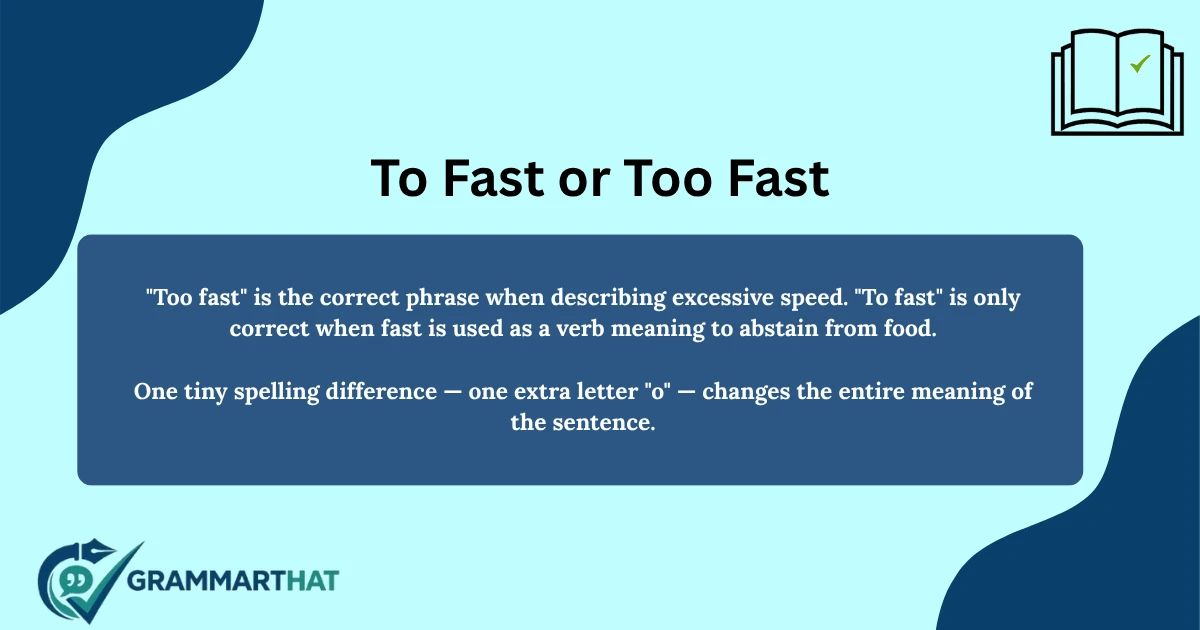
“Too fast” is the correct phrase when describing excessive speed. “To fast” is only correct when fast is used as ...
Read moreBespeckled or Bespectacled: Meaning, Difference & Usage 2026
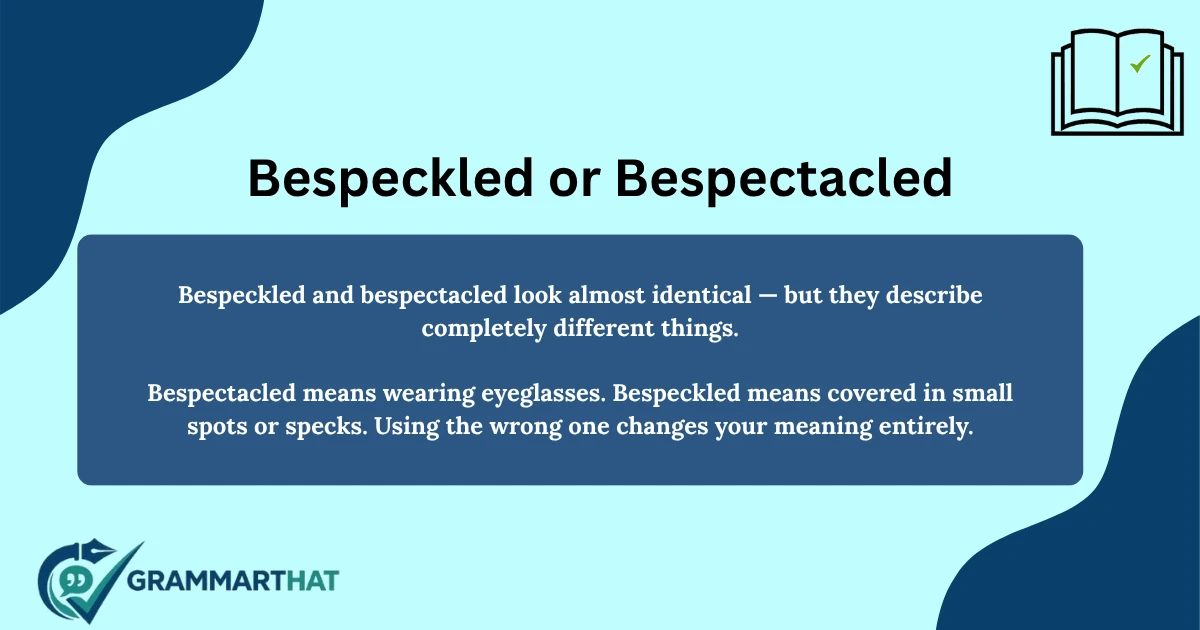
Bespeckled and bespectacled look almost identical — but they describe completely different things. Bespectacled means wearing eyeglasses. Bespeckled means covered ...
Read moreUnregister vs Deregister: Meaning, Difference and Usage 2026
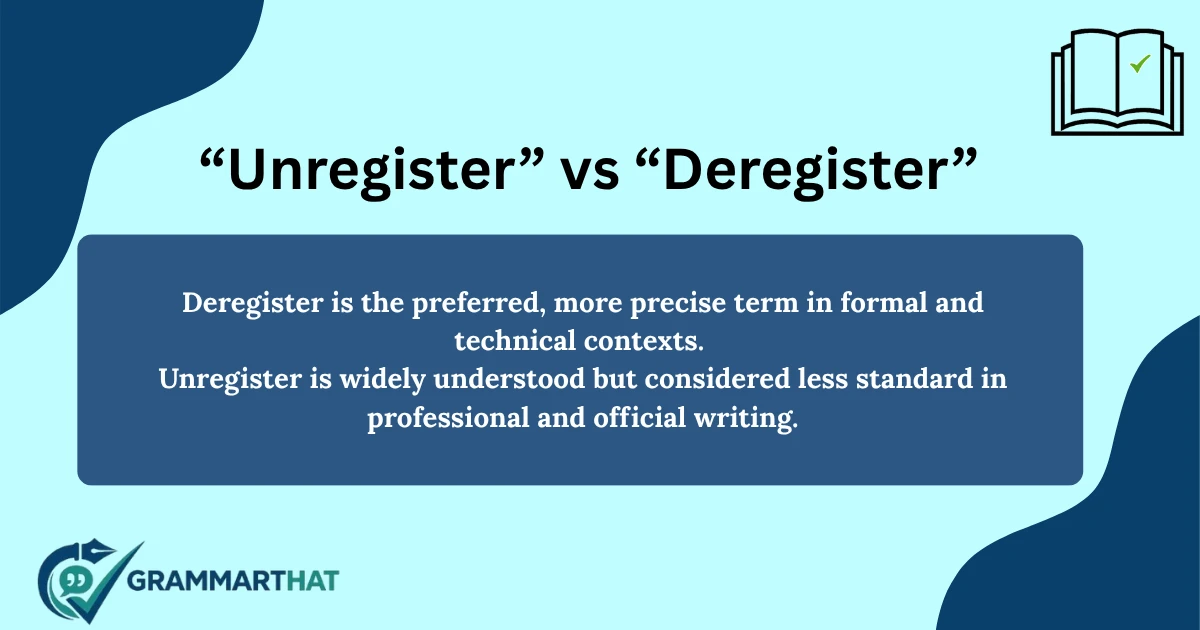
Unregister and deregister both mean removing something from a registered state — but they are not always used the same ...
Read moreImitated vs Intimated: Meaning, Difference and Usage 2026
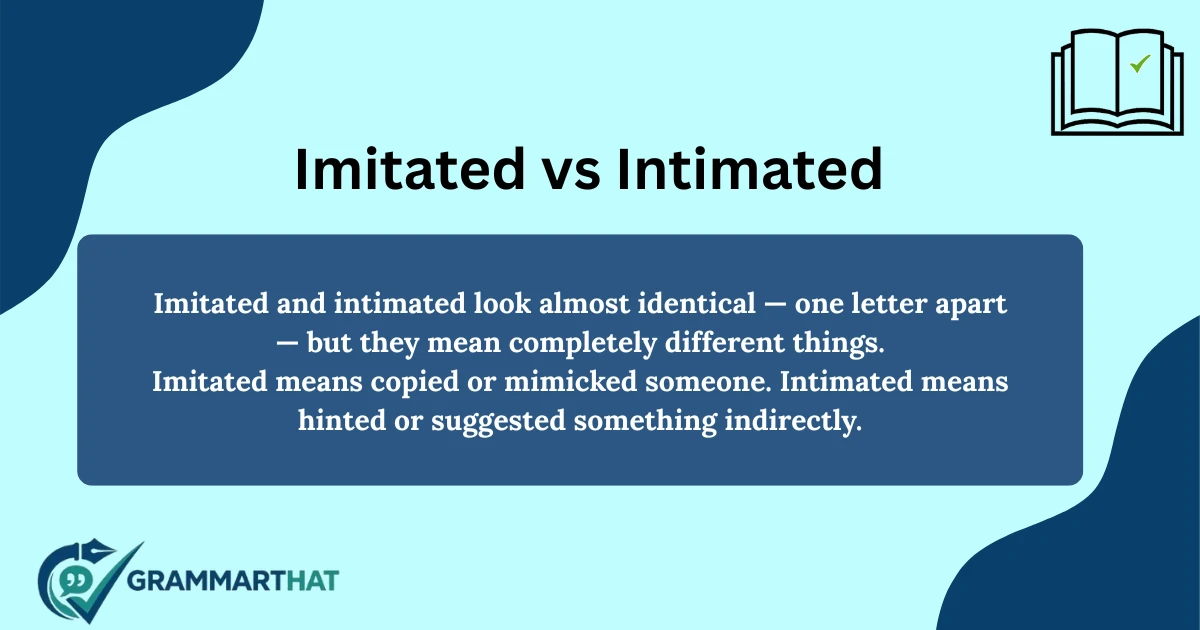
Imitated and intimated look almost identical — one letter apart — but they mean completely different things. Imitated means copied ...
Read moreExtensible vs Extendible: Meaning, Difference and Usage 2026
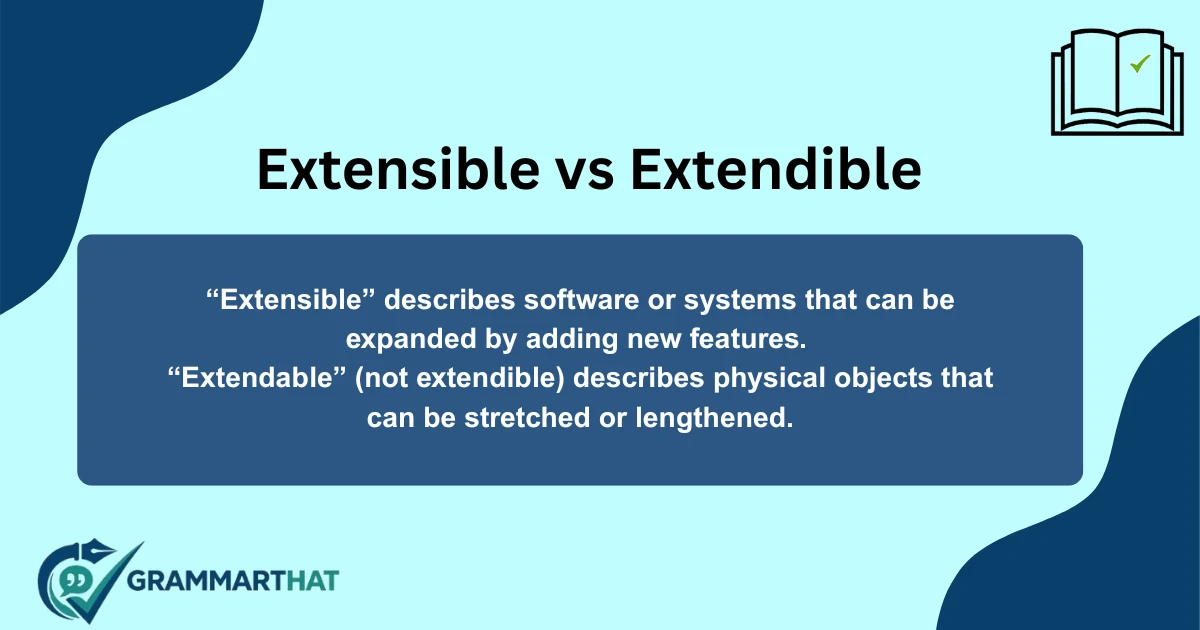
Extensible and extendible look almost identical — but they are used in very different situations. Extensible describes software or systems ...
Read morePassersby or Passerbys or Passerbyers: Meaning & Usage 2026
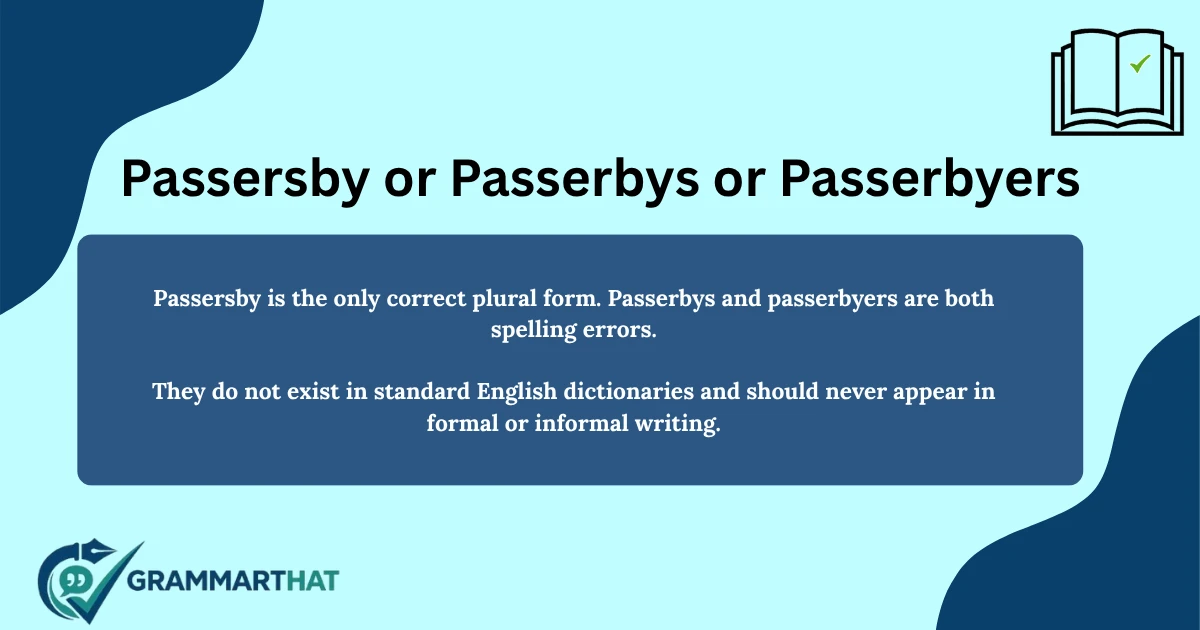
Passersby is the only correct plural form. Passerbys and passerbyers are both spelling errors. They do not exist in standard ...
Read moreReorder or Re-order: Meaning, Spelling & Usage 2026
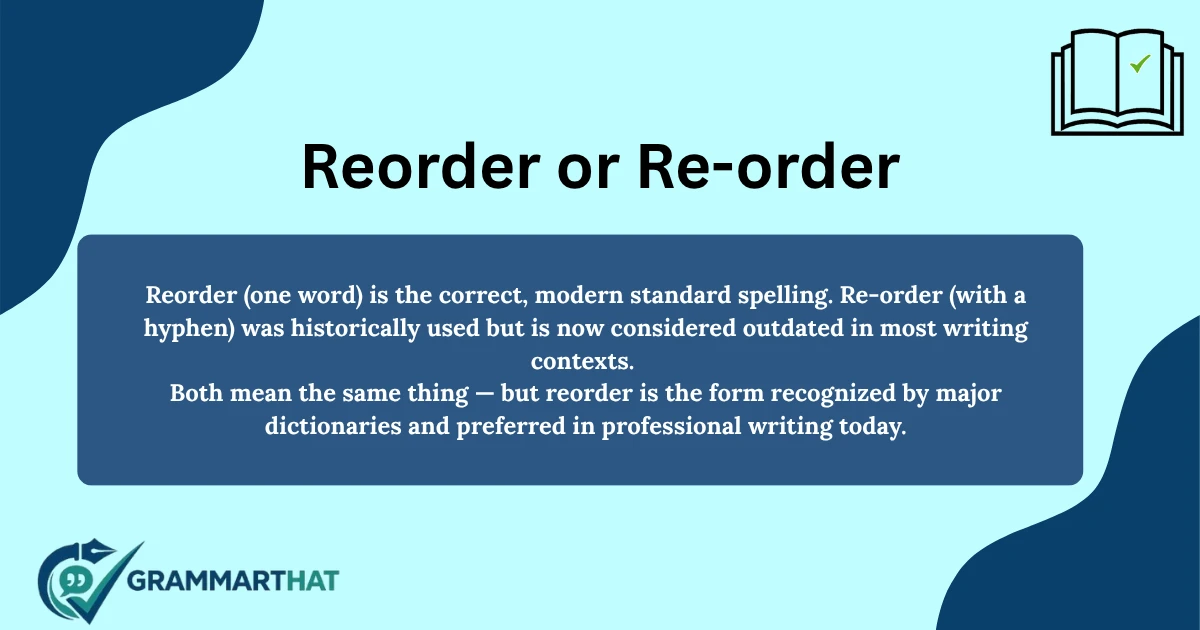
Reorder (one word) is the correct, modern standard spelling. Re-order (with a hyphen) was historically used but is now considered ...
Read moreEnvolved or Involved: Meaning, Spelling & Usage 2026
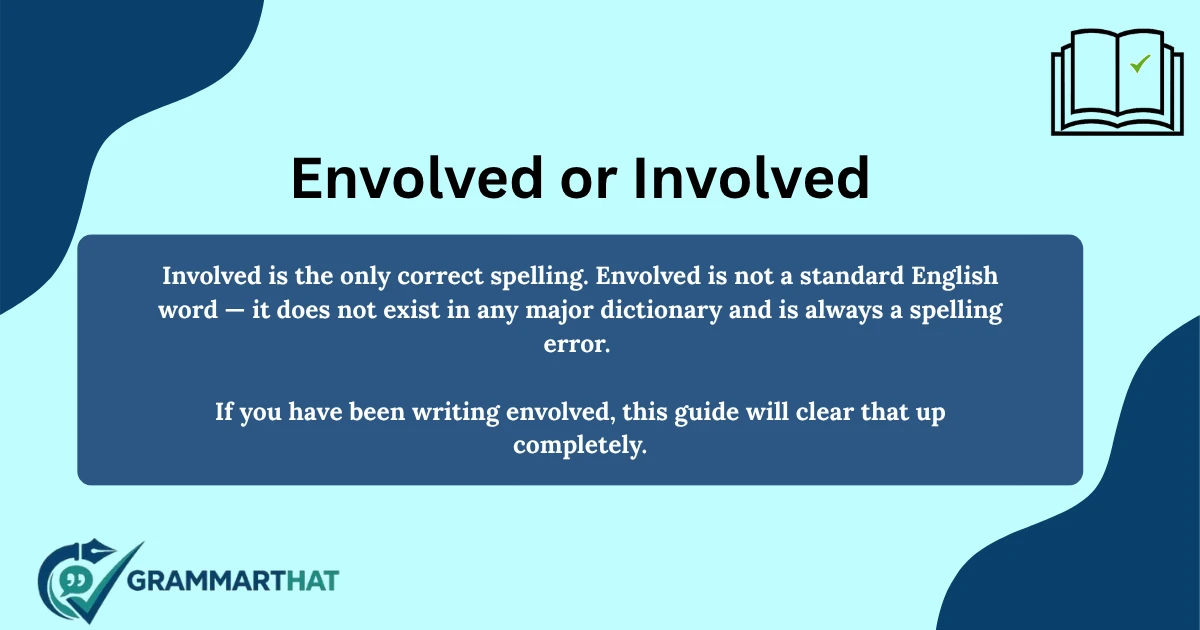
Involved is the only correct spelling. Envolved is not a standard English word — it does not exist in any ...
Read more