By Which or In Which: Meaning, Difference, and Usage 2026
“By which” and “in which” are both relative phrases — but they answer completely different questions. “By which” explains the ...
Read moreTo Fast or Too Fast: Meaning, Difference, and Correct Usage 2026
“Too fast” is the correct phrase when describing excessive speed. “To fast” is only correct when fast is used as ...
Read moreMine as Well or Might as Well: Meaning, Difference & Usage 2026
“Might as well” is the correct phrase in almost every situation. “Mine as well” is a common misspelling driven by ...
Read more“Soo” vs “So”: Meaning, Difference and Correct Usage 2026
“So” is the correct, standard English word. “Soo” is not a real dictionary word — it is an informal, stylized ...
Read moreIt’s Called vs It Called: Meaning, Difference and Usage 2026
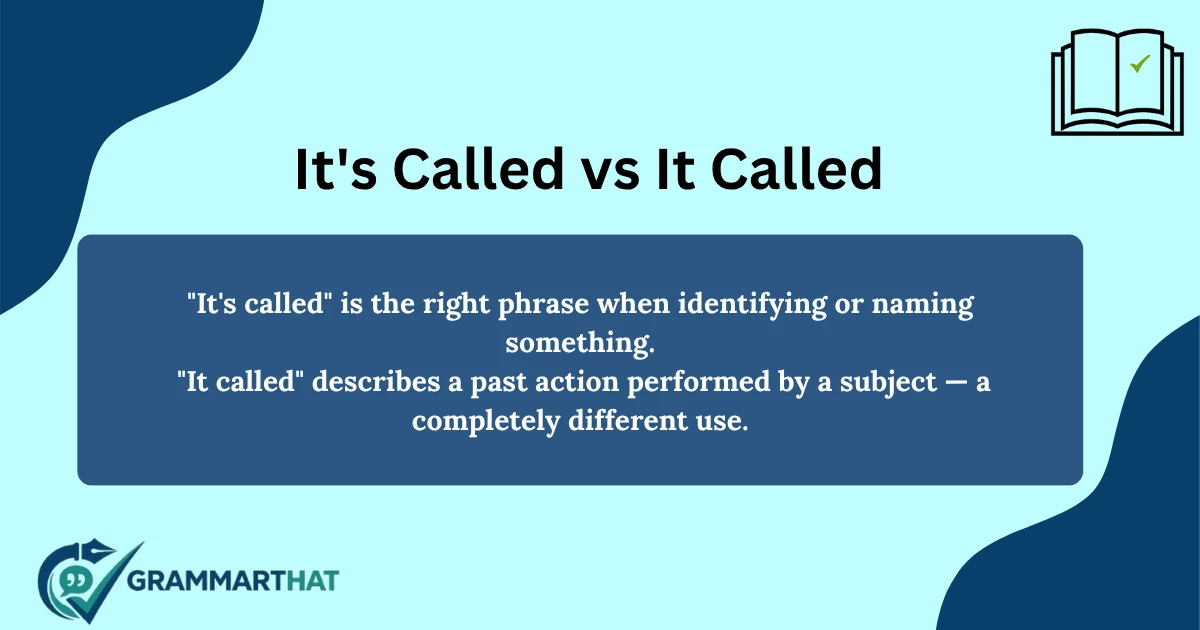
“It’s called” and “it called” look nearly identical — but one is correct for naming things and the other is ...
Read moreA Hilarious or An Hilarious: Meaning, Rule & Usage 2026
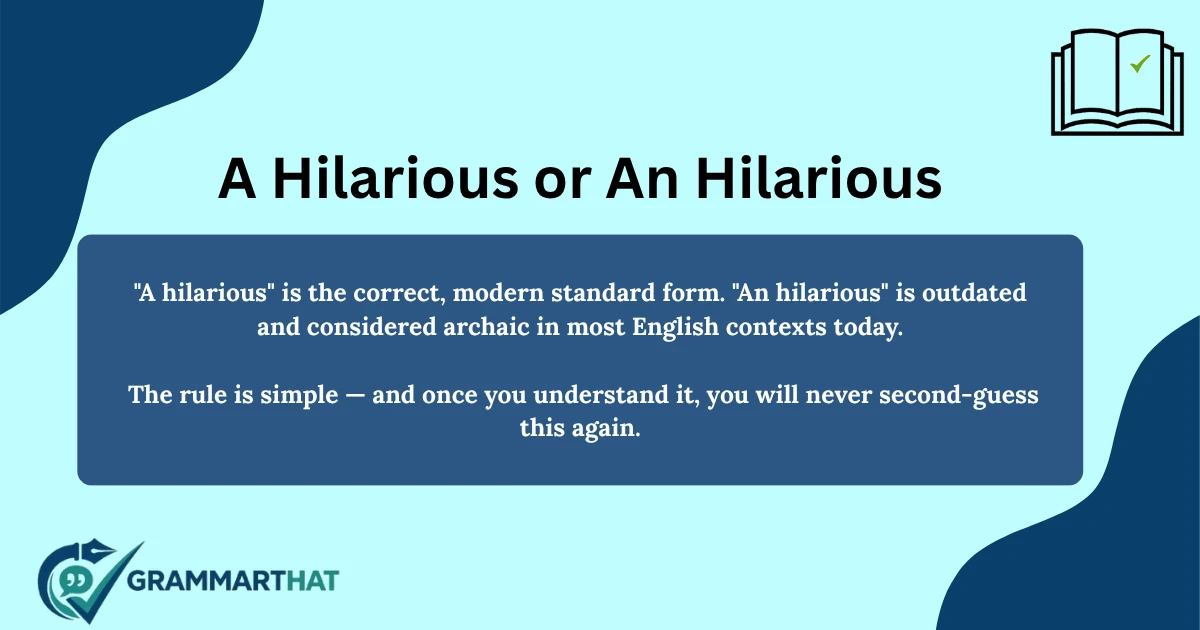
“A hilarious” is the correct, modern standard form. “An hilarious” is outdated and considered archaic in most English contexts today. ...
Read moreHe Is Risen or He Has Risen: Meaning, Difference & Usage 2026
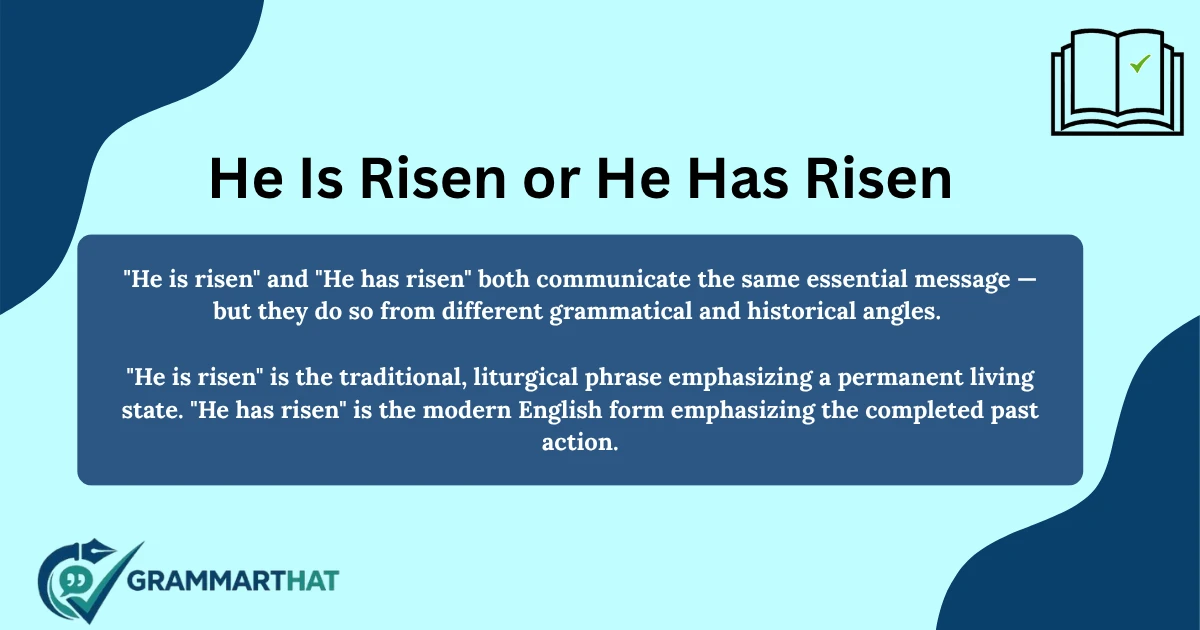
“He is risen” and “He has risen” both communicate the same essential message — but they do so from different ...
Read moreWhen I Can or When Can I: Meaning, Difference & Usage 2026
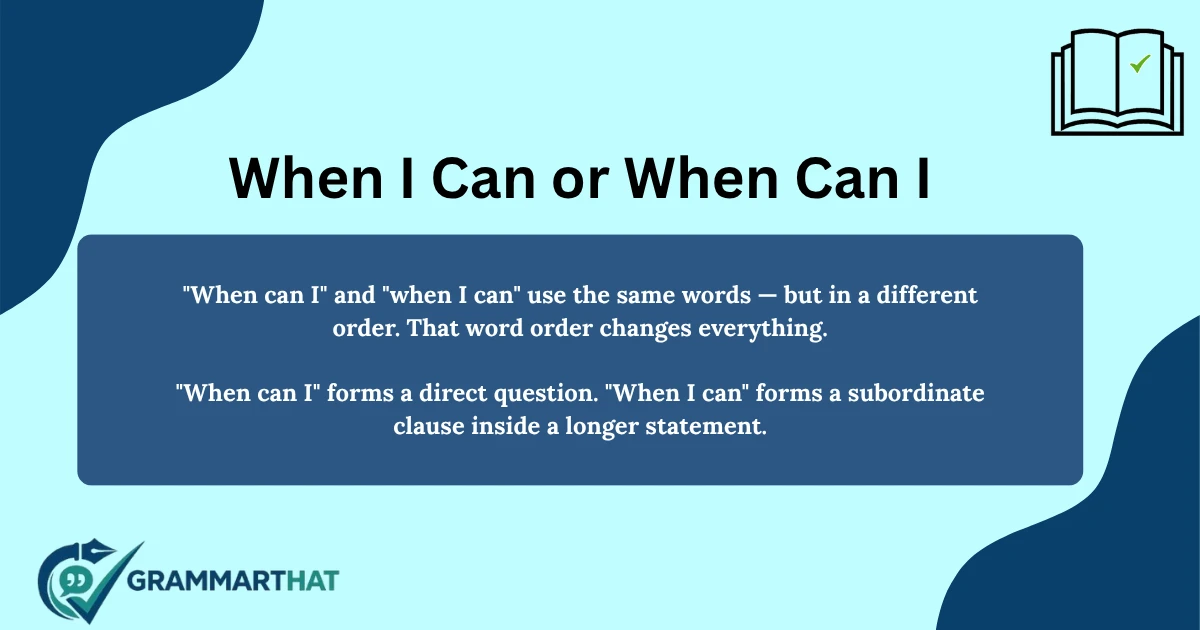
“When can I” and “when I can” use the same words — but in a different order. That word order ...
Read moreAs Evidenced By or As Evident By: Meaning & Usage 2026
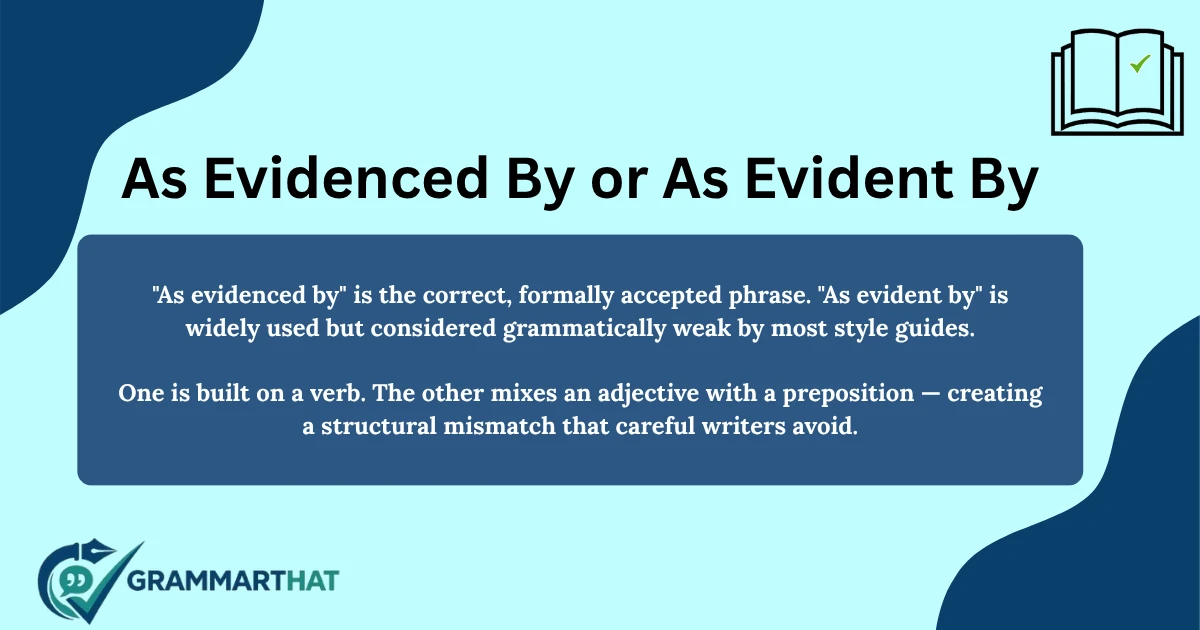
“As evidenced by” is the correct, formally accepted phrase. “As evident by” is widely used but considered grammatically weak by ...
Read moreIntroduction To or Introduction Of: Meaning & Usage 2026
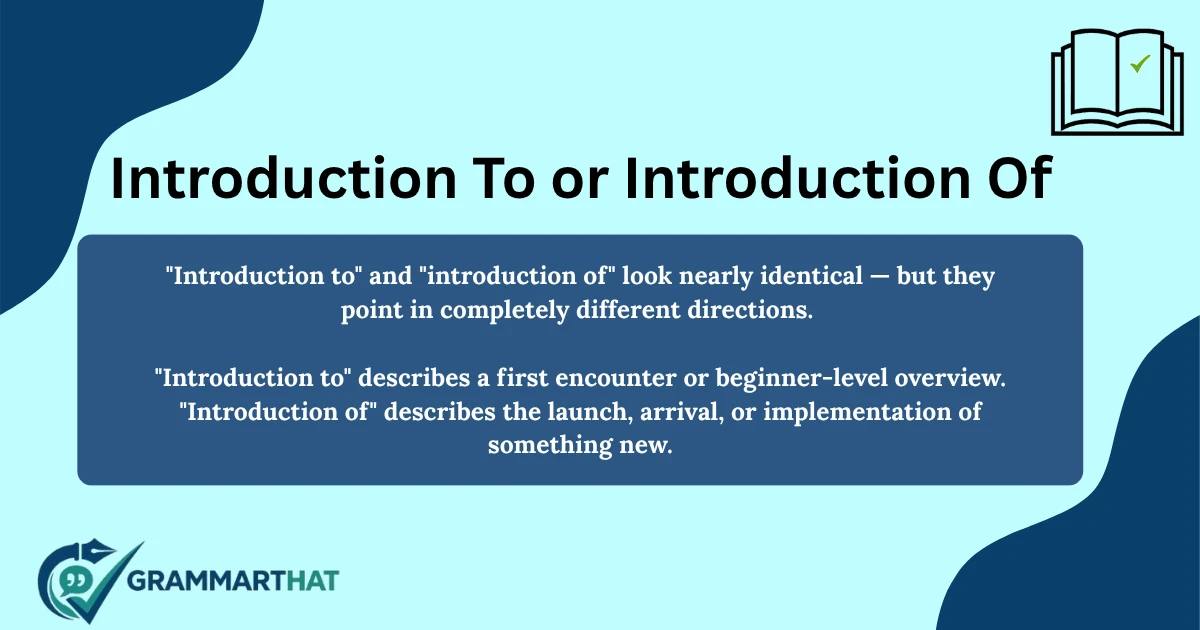
“Introduction to” and “introduction of” look nearly identical — but they point in completely different directions. “Introduction to” describes a ...
Read more