Nor Do I vs. Neither Do I: The Real Difference 2026
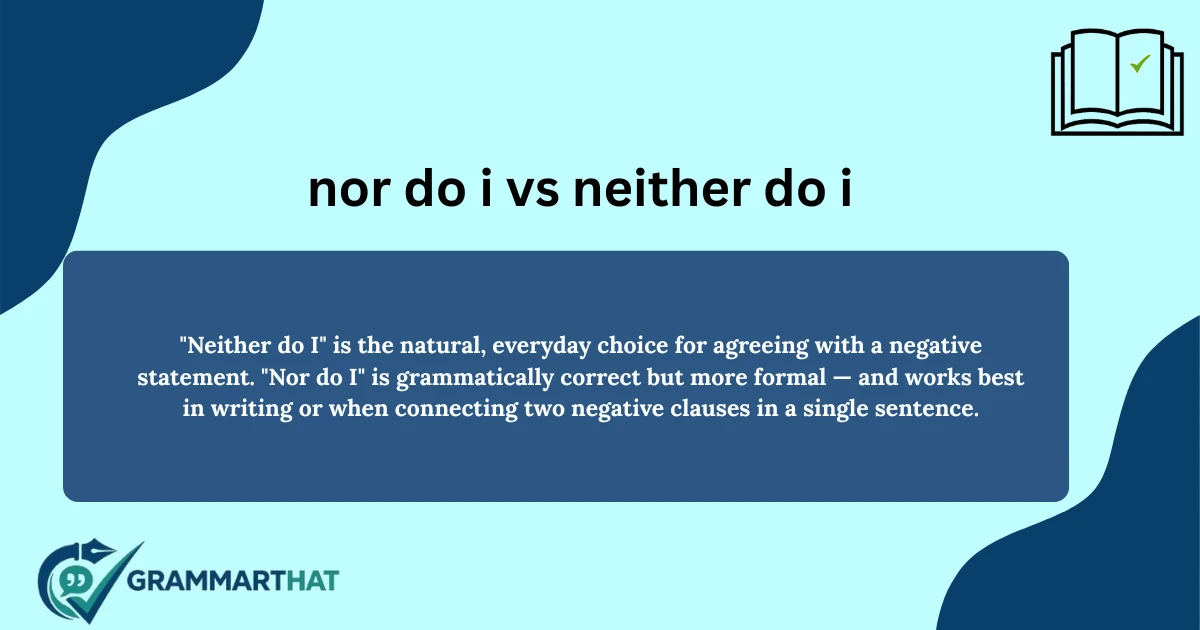
“Neither do I” is the common everyday response to a negative statement, while “Nor do I” sounds more formal. Both ...
Read moreGood Morning or Goodmorning: Which One Is Correct? 2026
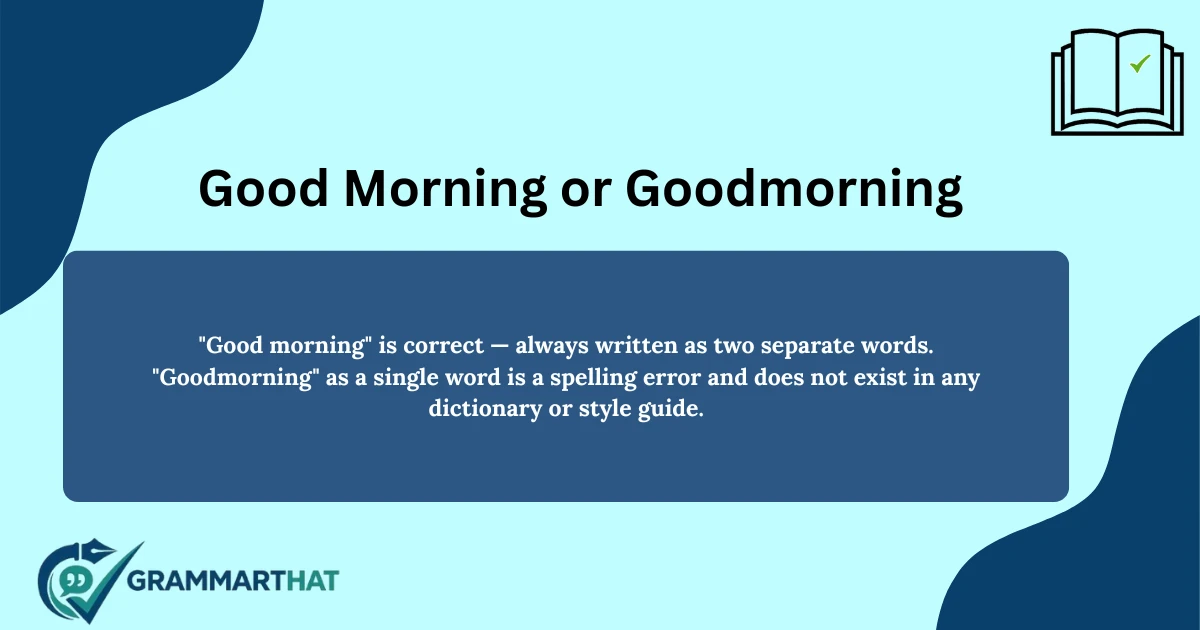
“Good morning” is correct — always written as two separate words. “Goodmorning” as a single word is a spelling error ...
Read morePer Say or Per Se: Which One Is Correct? 2026
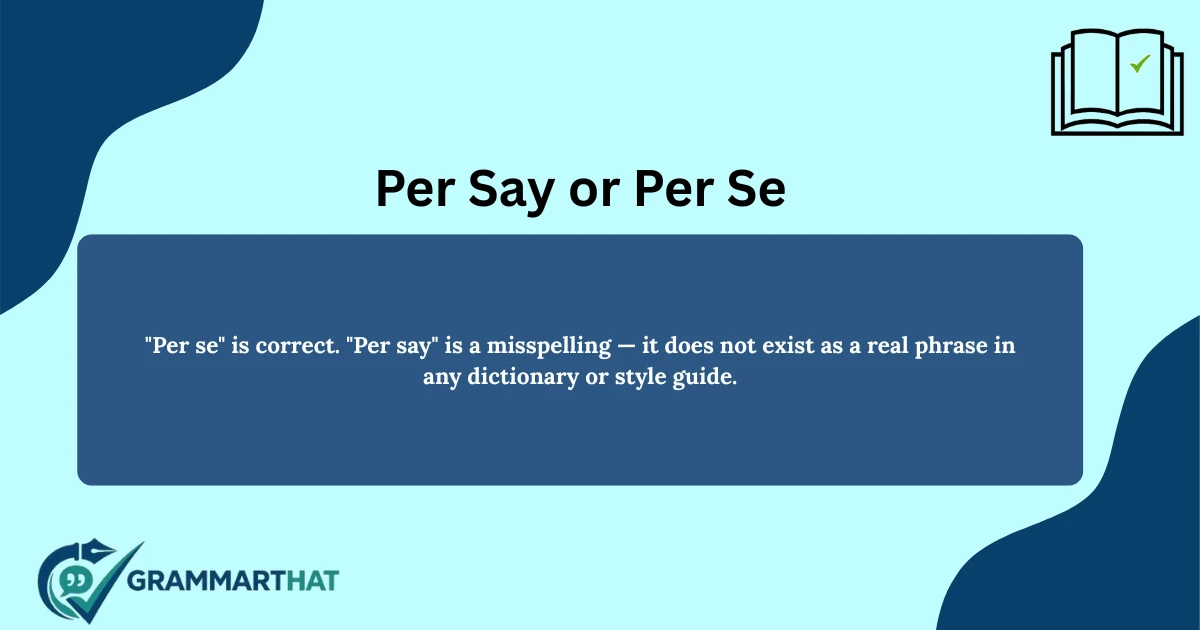
“Per se” is correct. “Per say” is a misspelling and is not recognized in any standard dictionary or style guide. ...
Read moreThere Has Been or There Have Been: Which Is Correct? 2026
Both “there has been” and “there have been” are correct. The right choice depends on the noun that follows the ...
Read moreStay in Touch vs Keep in Touch: What Is the Difference? 2026
Both “stay in touch” and “keep in touch” mean the same thing — to continue communicating with someone over time. ...
Read moreSo Do I vs So Am I: Which One Is Correct? 2026
Both “so do I” and “so am I” are correct — but they are not interchangeable. “So am I” agrees ...
Read moreMom vs Mum: What Is the Difference? 2026
“Mom” and “mum” mean exactly the same thing — both refer to a mother. The only difference is geography. “Mom” ...
Read moreOn Friday or In Friday: Which Is Correct? 2026
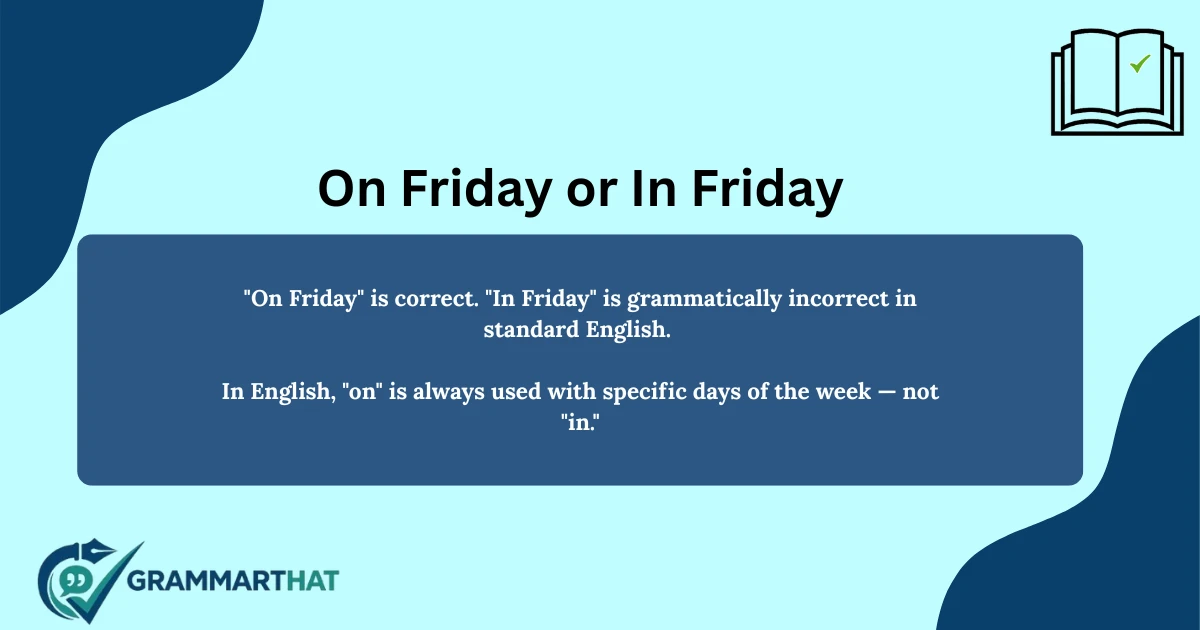
“On Friday” is correct. “In Friday” is grammatically incorrect in standard English. In English, “on” is used with specific days ...
Read moreIn the Store or At the Store: Which One Is Correct? 2026
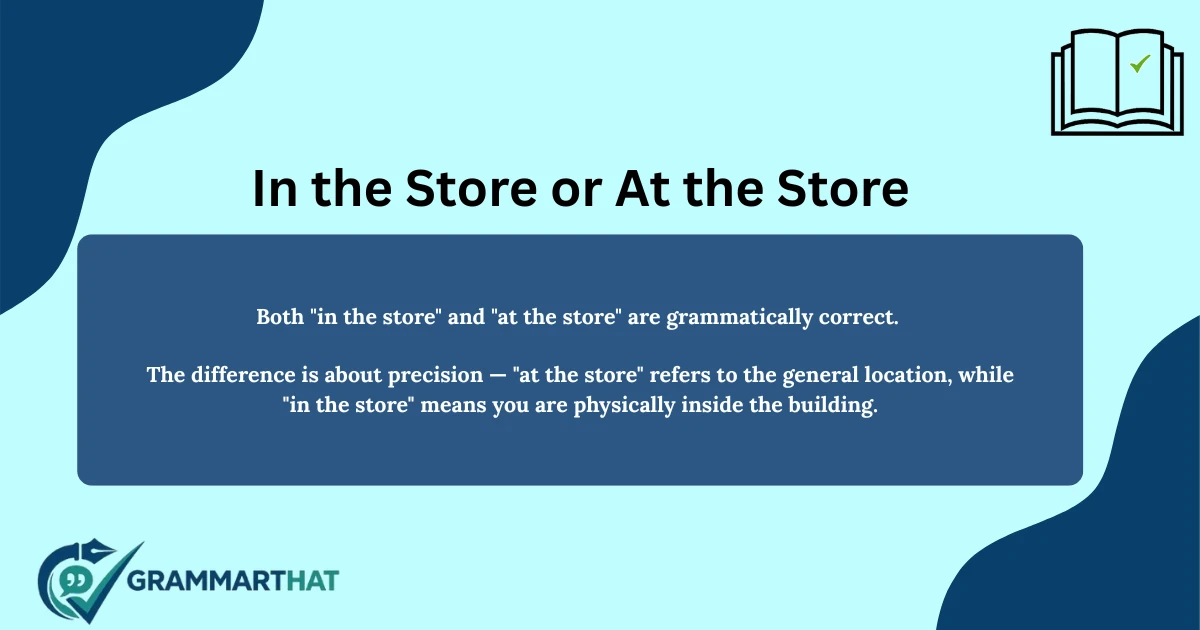
Both “in the store” and “at the store” are grammatically correct. The difference is about precision rather than correctness. “At ...
Read moreWhole Day or All Day: Which Is Correct? 2026
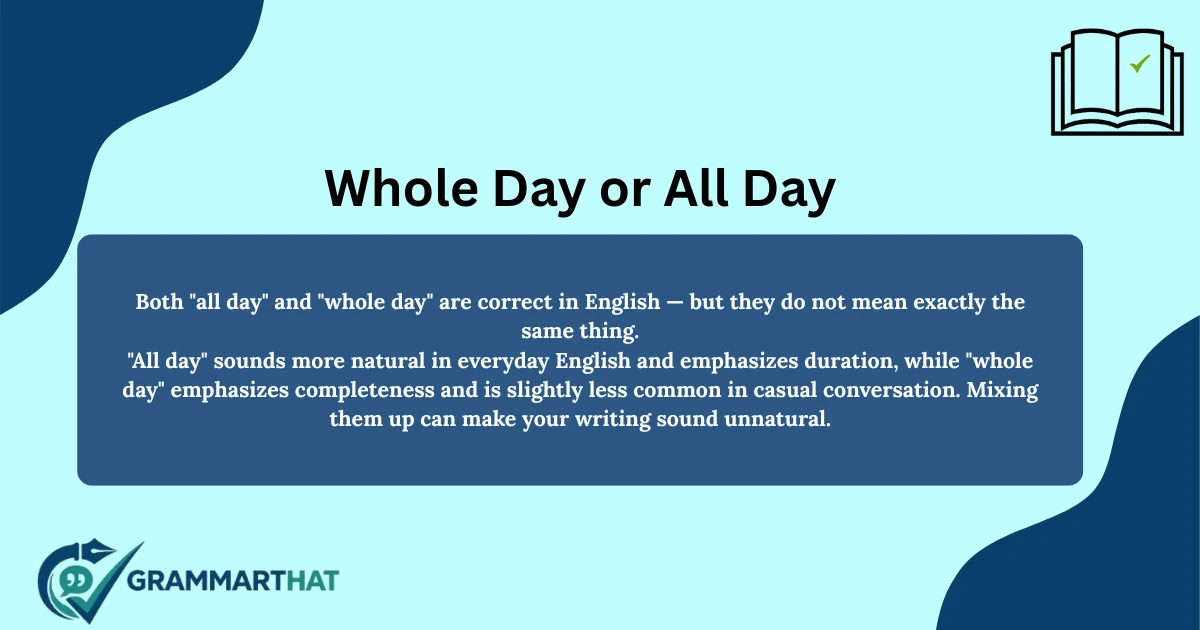
Both “all day” and “whole day” are correct in English — but they do not mean exactly the same thing. ...
Read more