In Which vs Where: What’s the Difference 2026
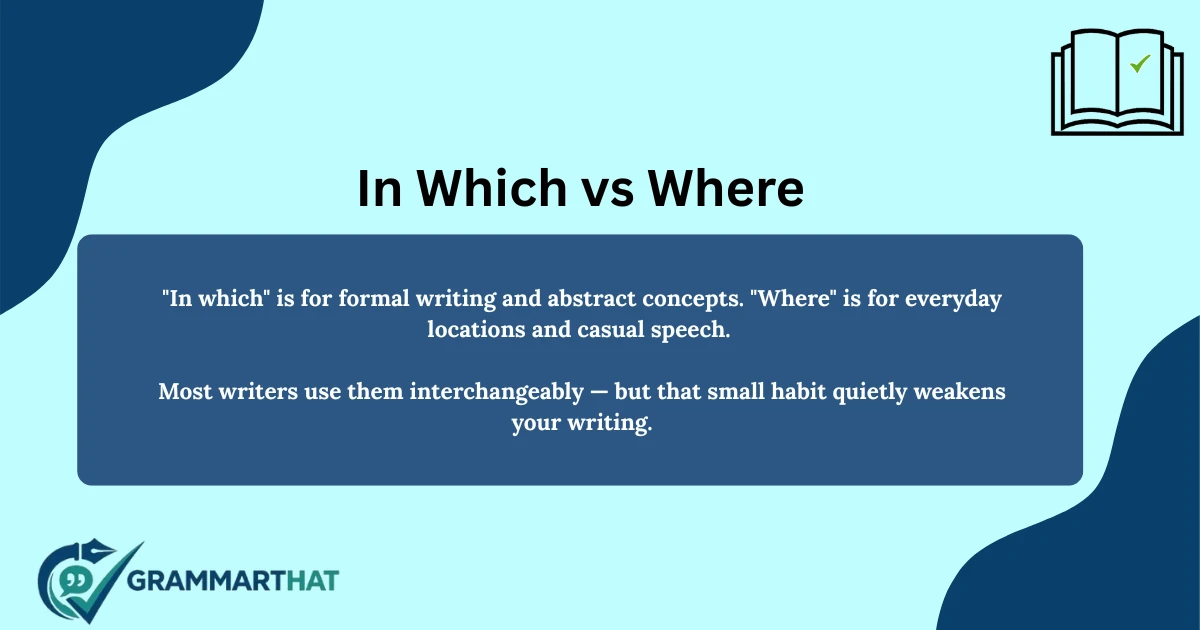
“In which” is generally used in formal writing and for abstract concepts, while “where” is the natural choice for everyday ...
Read more
So Do I vs So Am I: Which One Is Correct? 2026
Both “so do I” and “so am I” are correct — but they are not interchangeable. “So am I” agrees ...
Read moreCalvary vs Cavalry: What Is the Difference? 2026
Cavalry and Calvary look almost identical — but they refer to completely different things. Cavalry refers to soldiers on horseback ...
Read moreTo Early or Too Early: Which Is Correct? 2026
“Too early” is always correct. “To early” is always wrong. In English, “too” means excessively, overly, or more than enough, ...
Read moreTheir Life or Their Lives: Which One Is Correct? 2026
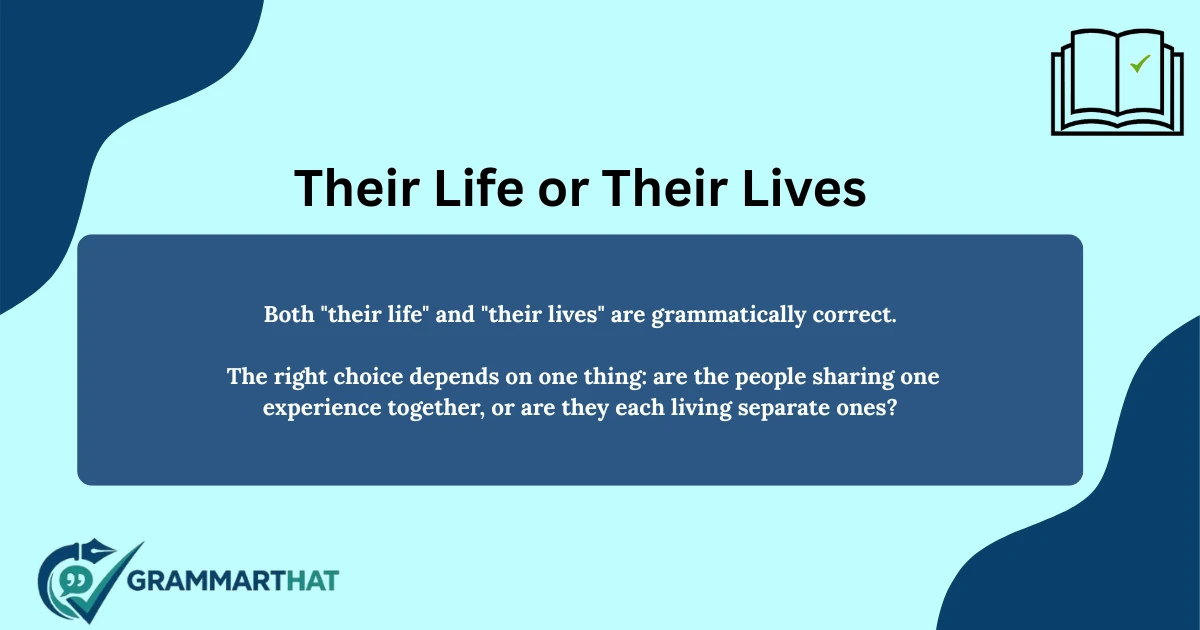
Both “their life” and “their lives” are grammatically correct. The right choice depends on the meaning you want to convey. ...
Read morePolite vs Courteous: What Is the Real Difference? 2026
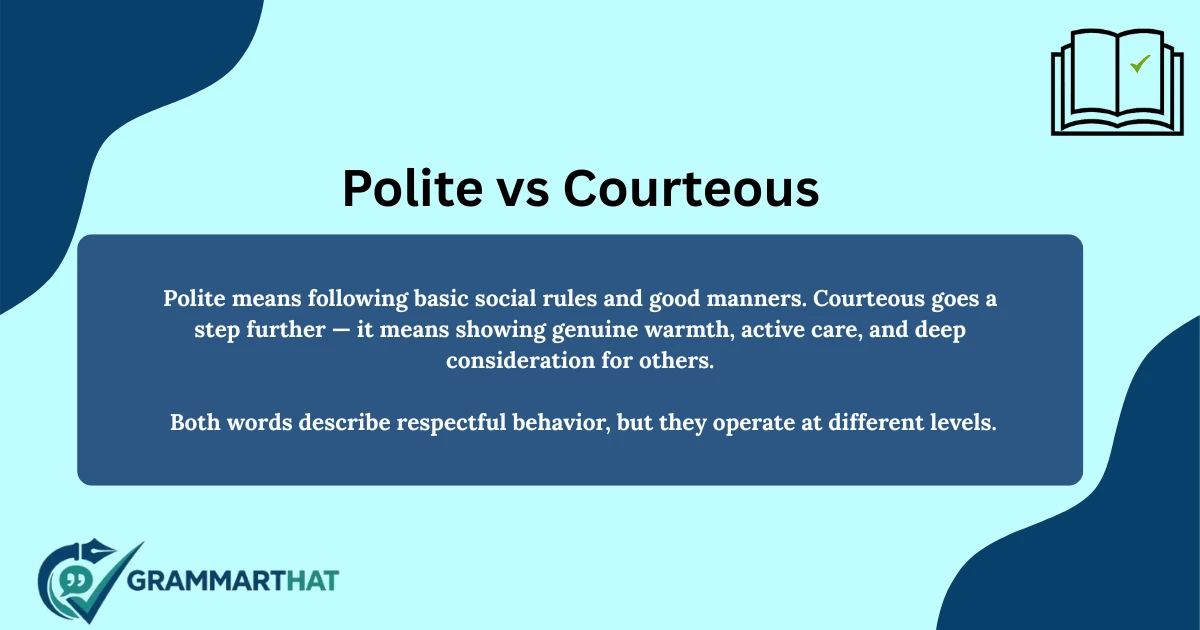
Polite means following basic social rules and displaying good manners. Courteous goes a step further by showing genuine warmth, thoughtfulness, ...
Read moreUnorganized vs Disorganized: What Is the Difference? 2026
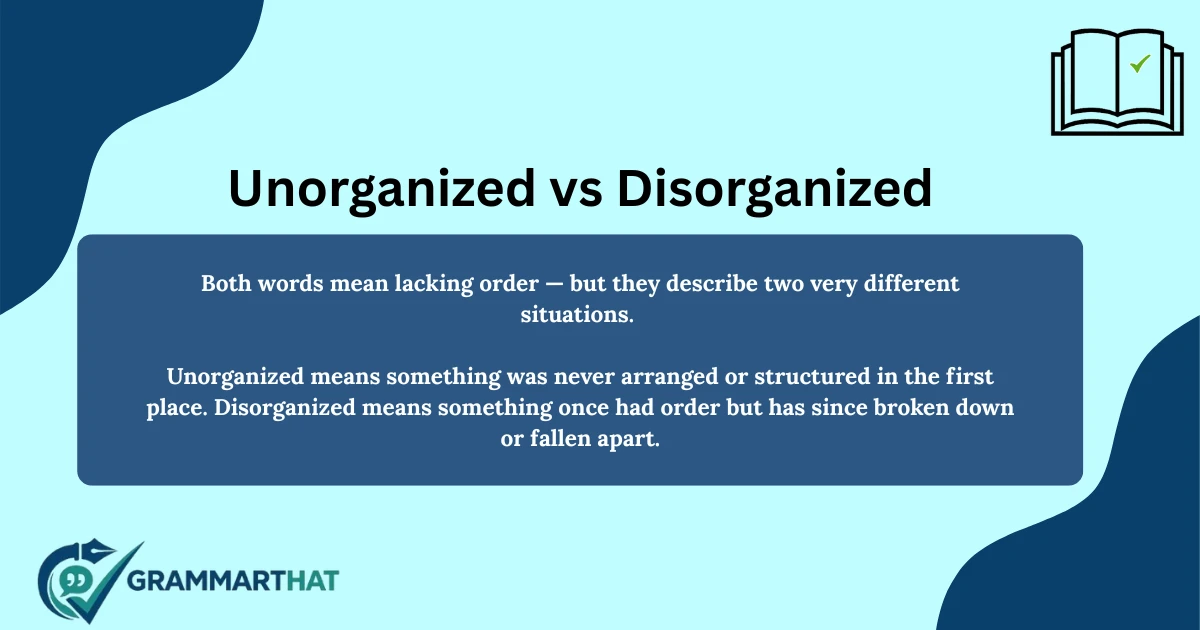
Both unorganized and disorganized mean lacking order — but they describe two different situations. Unorganized means something was never arranged ...
Read moreAnywhere or Any Where: Which Is Correct? 2026
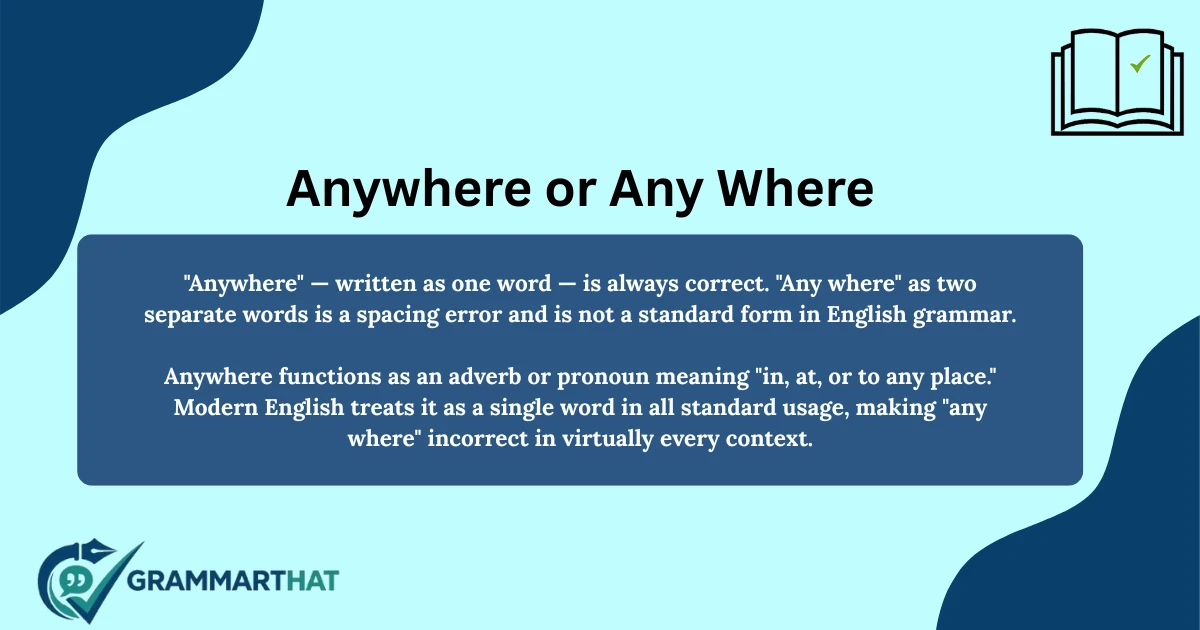
“Anywhere” — written as one word — is always correct. “Any where” as two separate words is a spacing error ...
Read moreFor Who or For Whom: Which Is Correct? 2026
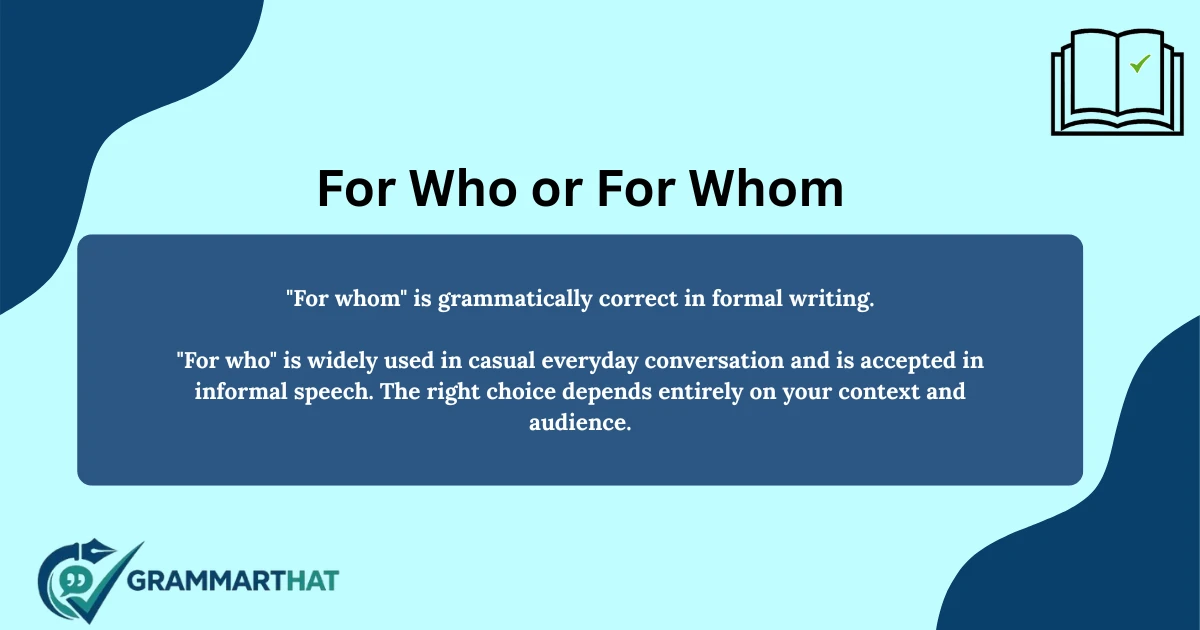
“For whom” is grammatically correct in formal English, while “for who” is common in casual speech and informal writing. The ...
Read more