Per Say or Per Se: Which One Is Correct? 2026
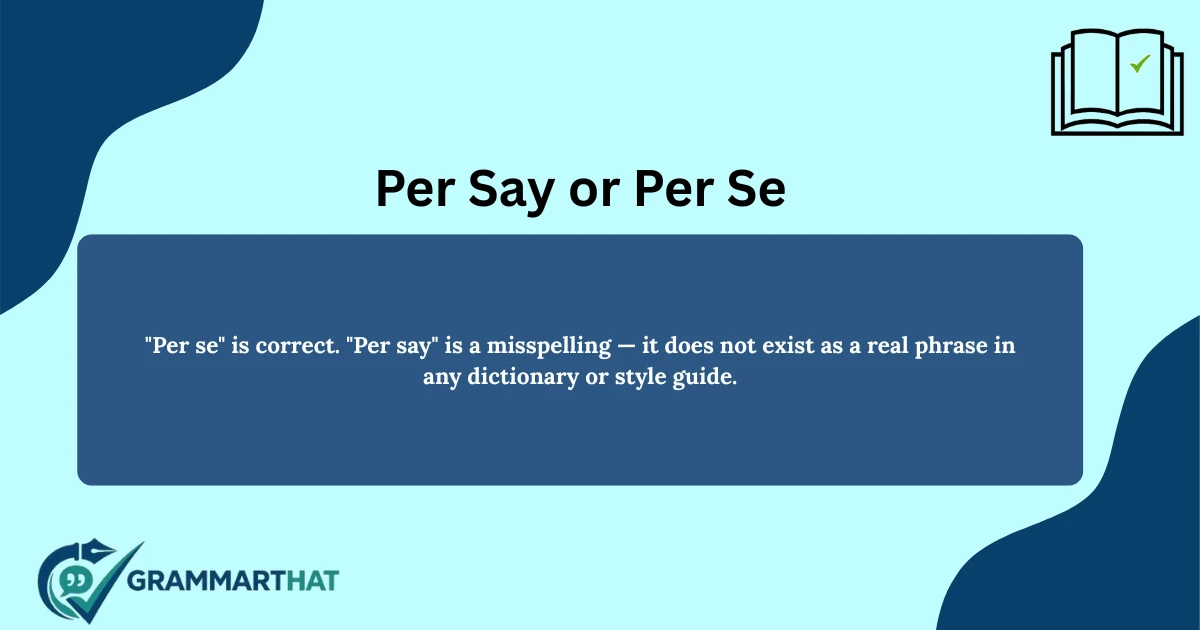
“Per se” is correct. “Per say” is a misspelling and is not recognized in any standard dictionary or style guide. ...
Read moreCartel vs Mafia: What Is the Difference? 2026
A cartel is a large, military-style drug trafficking organization, while a mafia is a secretive, community-rooted criminal syndicate. Both are ...
Read moreReschedule To or Reschedule For: Which Is Correct? 2026

Both “reschedule to” and “reschedule for” are used in English — but they are not equally common. “Reschedule for” is ...
Read moreThere Has Been or There Have Been: Which Is Correct? 2026
Both “there has been” and “there have been” are correct. The right choice depends on the noun that follows the ...
Read moreStay in Touch vs Keep in Touch: What Is the Difference? 2026

Both “stay in touch” and “keep in touch” mean the same thing — to continue communicating with someone over time. ...
Read moreSay Your Peace or Say Your Piece: Which Is Correct? 2026

“Say your piece” is the correct phrase. It means to express your opinion, share your thoughts, or contribute your part ...
Read moreIn Which vs Where: What’s the Difference 2026
“In which” is generally used in formal writing and for abstract concepts, while “where” is the natural choice for everyday ...
Read more
So Do I vs So Am I: Which One Is Correct? 2026
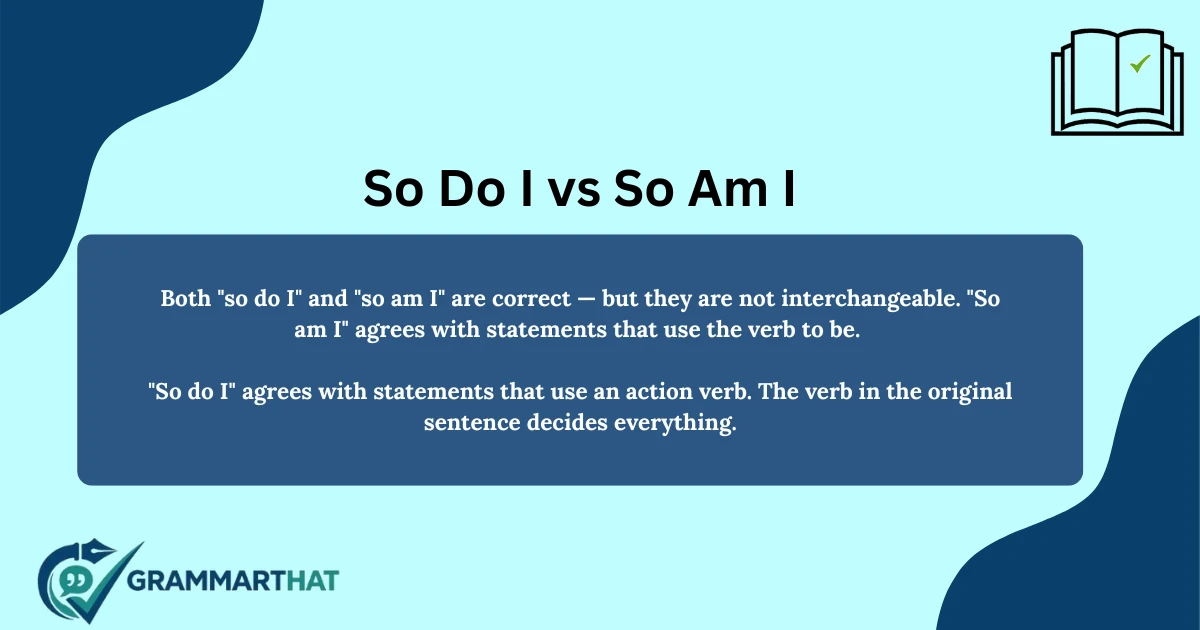
Both “so do I” and “so am I” are correct — but they are not interchangeable. “So am I” agrees ...
Read moreCalvary vs Cavalry: What Is the Difference? 2026
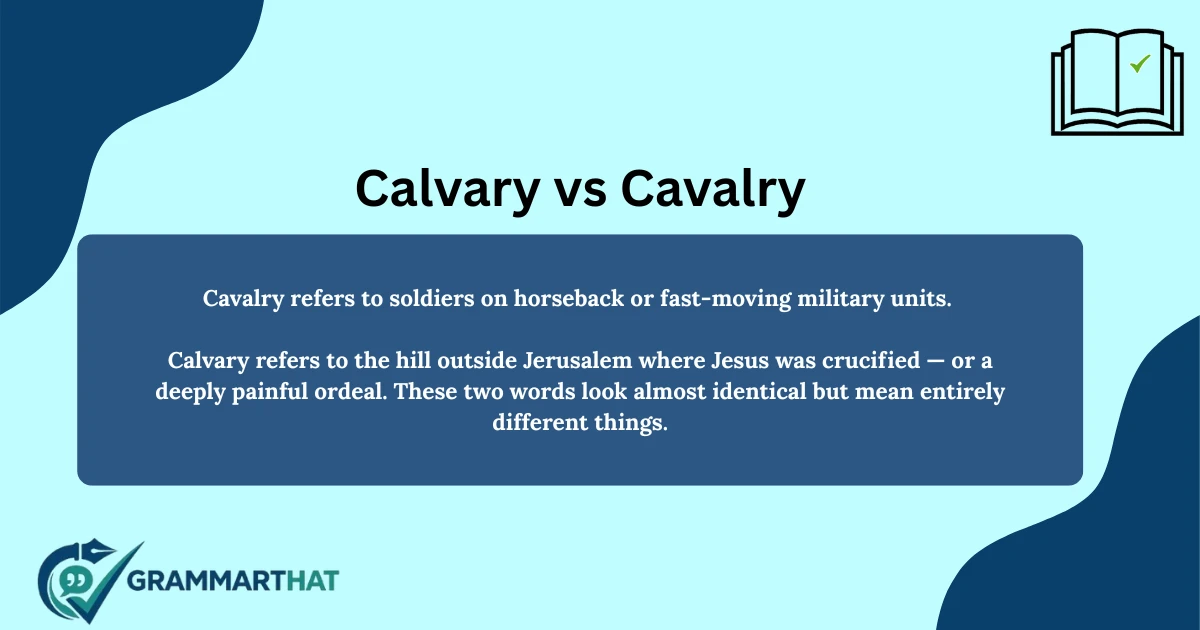
Cavalry and Calvary look almost identical — but they refer to completely different things. Cavalry refers to soldiers on horseback ...
Read more