Their Life or Their Lives: Which One Is Correct? 2026
Both “their life” and “their lives” are grammatically correct. The right choice depends on the meaning you want to convey. ...
Read morePolite vs Courteous: What Is the Real Difference? 2026
Polite means following basic social rules and displaying good manners. Courteous goes a step further by showing genuine warmth, thoughtfulness, ...
Read moreUnorganized vs Disorganized: What Is the Difference? 2026
Both unorganized and disorganized mean lacking order — but they describe two different situations. Unorganized means something was never arranged ...
Read moreFor Who or For Whom: Which Is Correct? 2026
“For whom” is grammatically correct in formal English, while “for who” is common in casual speech and informal writing. The ...
Read moreApposed vs Opposed: What Is the Difference? 2026
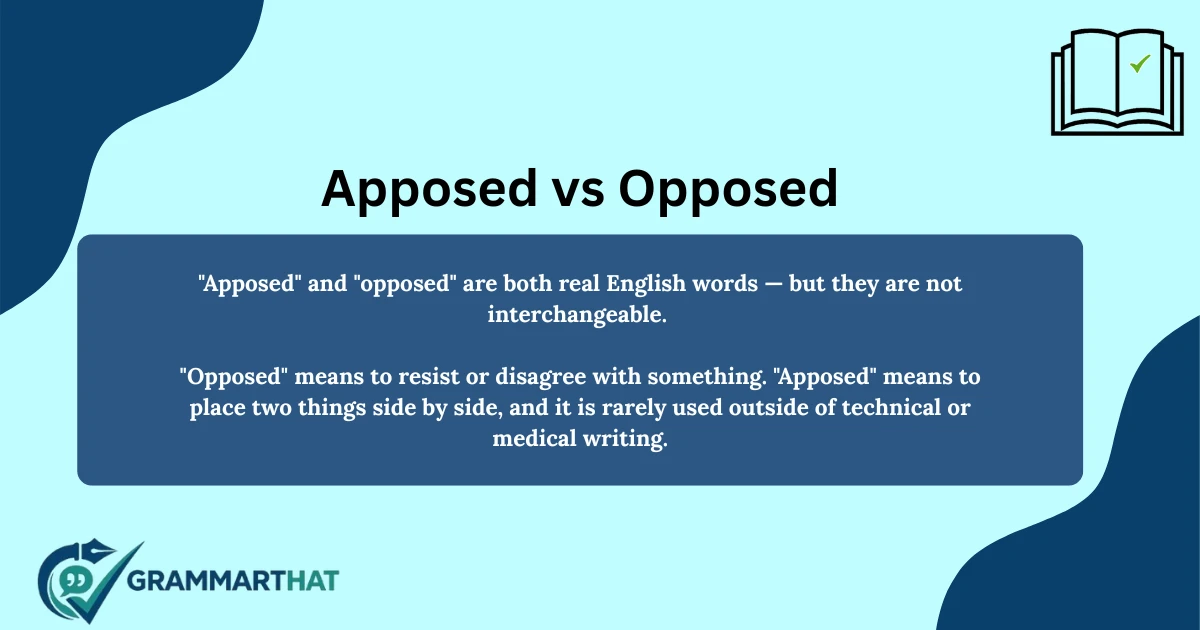
“Apposed” and “opposed” are both real English words — but they are not interchangeable. “Opposed” means to resist, disagree with, ...
Read moreOn Friday or In Friday: Which Is Correct? 2026
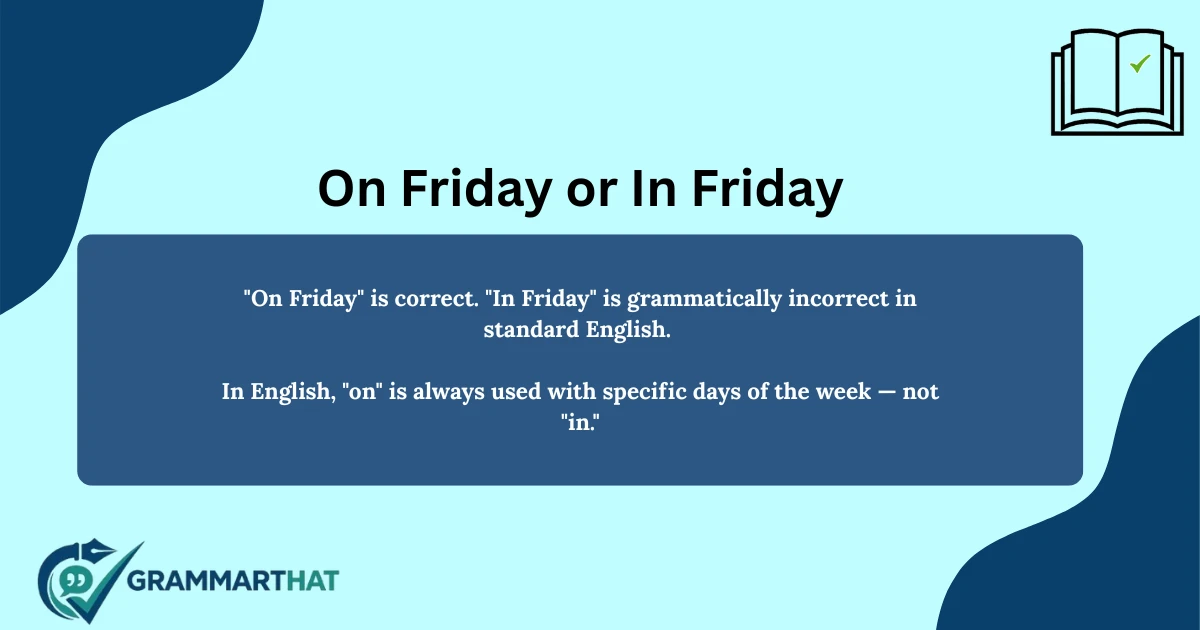
“On Friday” is correct. “In Friday” is grammatically incorrect in standard English. In English, “on” is used with specific days ...
Read moreFair vs Good: Meaning, Difference, and Correct Usage 2026
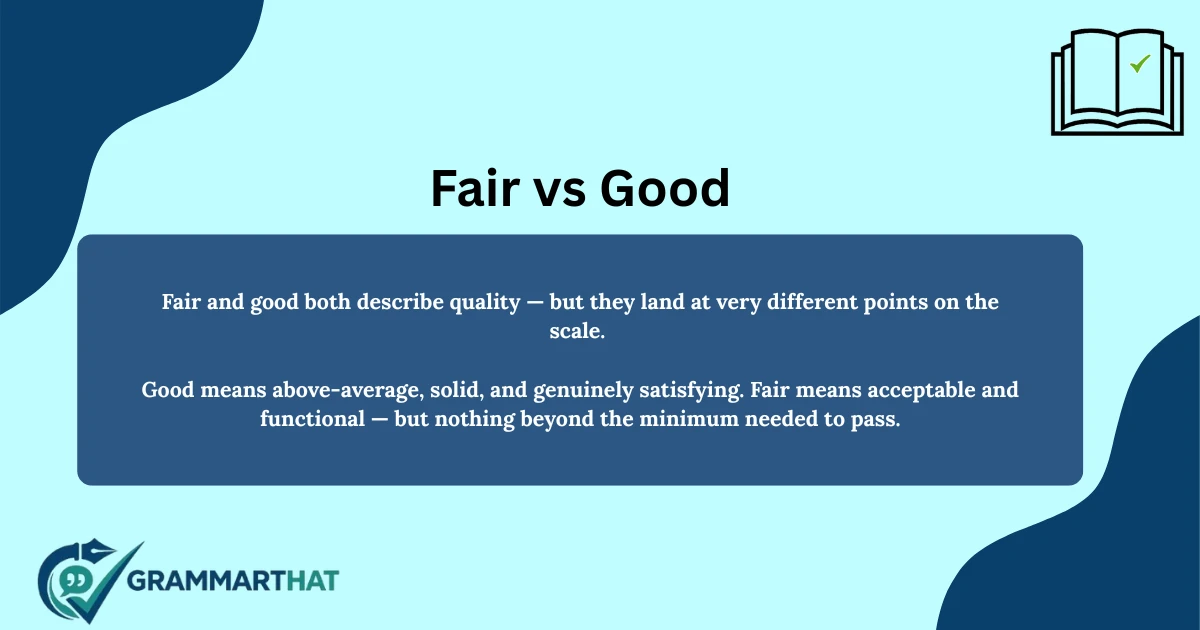
Fair and good both describe quality — but they land at very different points on the scale. Good means above-average, ...
Read more24 Hours’ Notice or 24 Hour’s Notice: Which Is Correct? 2026
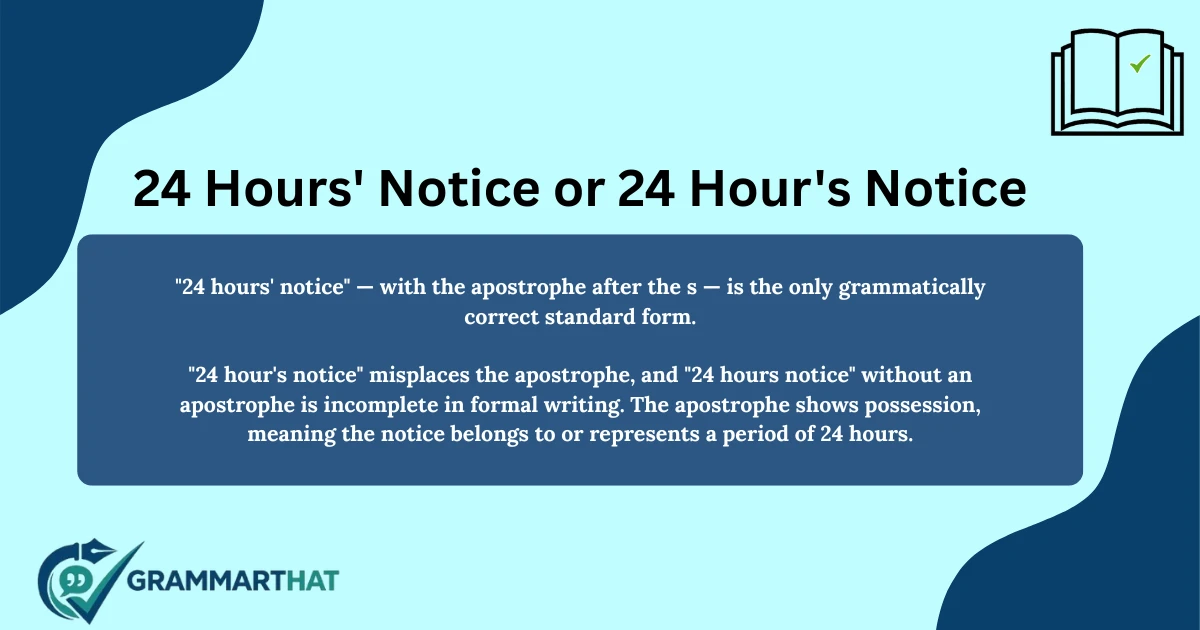
“24 hours’ notice” — with the apostrophe after the s — is the only grammatically correct standard form. “24 hour’s ...
Read moreYou Are Always Welcomed vs Welcome: Which Is Correct? 2026
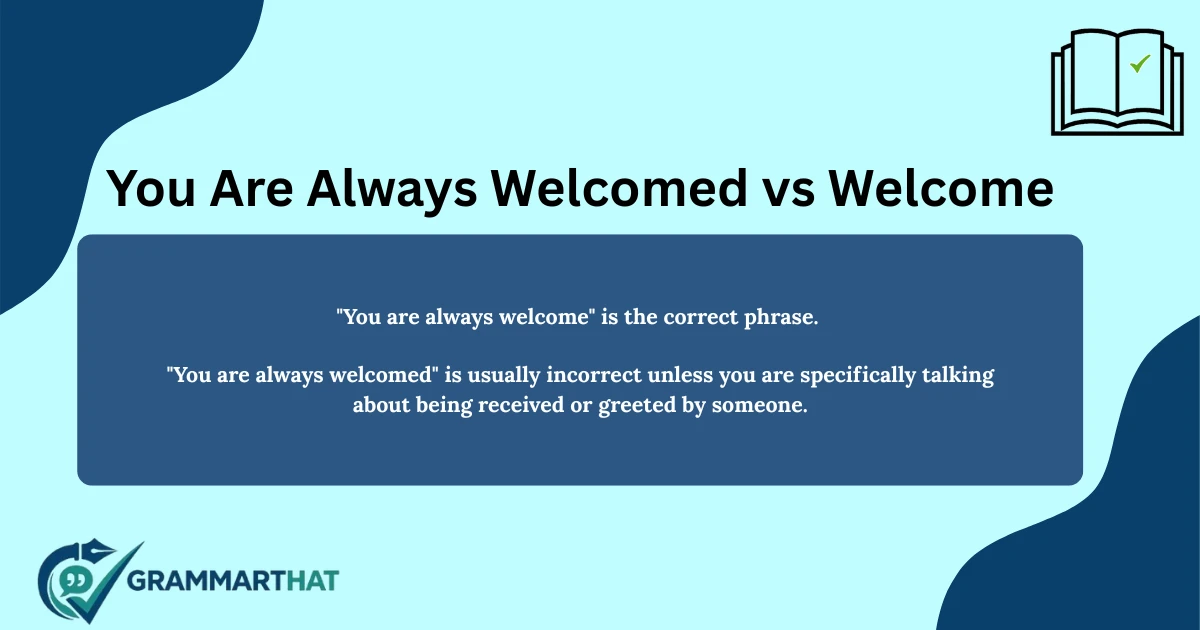
“You are always welcome” is the correct phrase. “You are always welcomed” is usually incorrect unless you are specifically talking ...
Read moreOne or More Is or One or More Are: Which Verb Is Correct? 2026
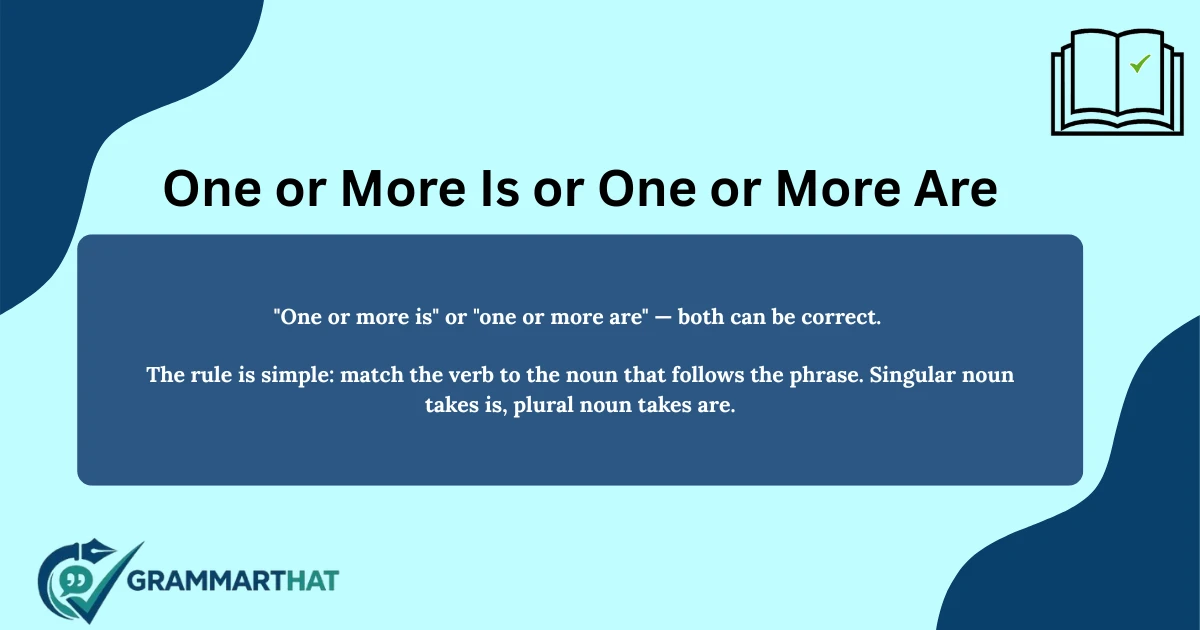
“One or more is” and “one or more are” can both be correct. The choice depends on the noun that ...
Read more