Tear vs Tare: Meaning, Difference, and Correct Usage 2026
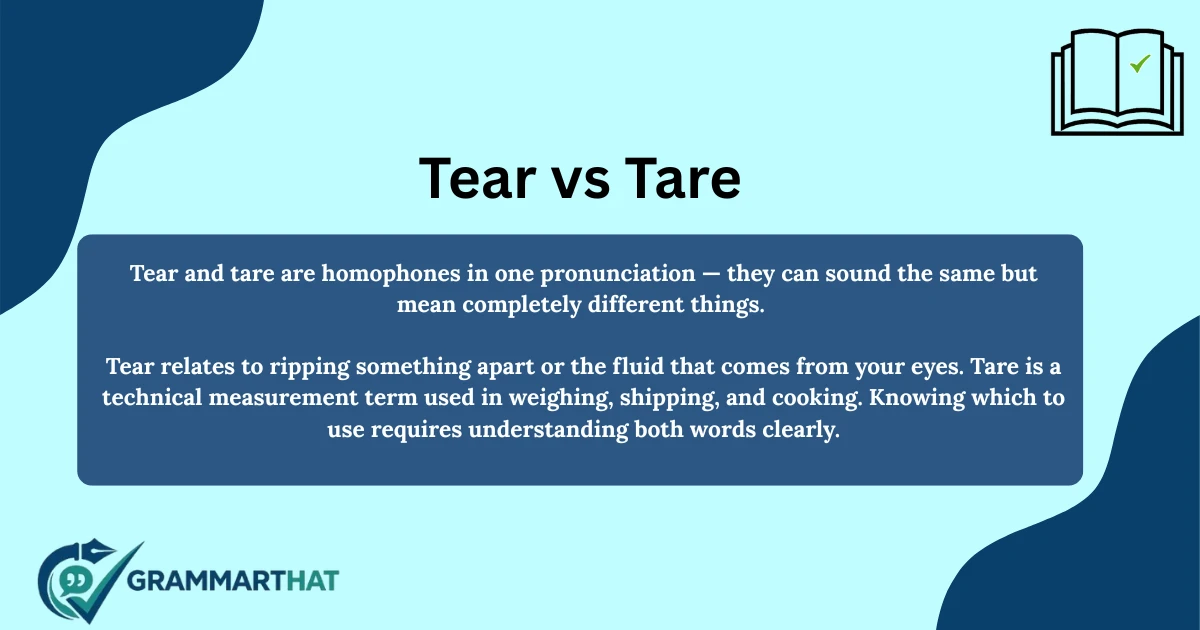
Tear and tare are homophones in one pronunciation — they can sound the same but mean completely different things. Tear ...
Read moreAttain vs Obtain: Meaning, Difference, and Correct Usage 2026
Attain and obtain both mean “to get” — but they describe fundamentally different kinds of getting. Attain is about reaching ...
Read moreThus Far vs So Far: Meaning, Difference, and Correct Usage 2026
Thus far and so far mean exactly the same thing — “up to this point” or “until now.” The only ...
Read moreFull Proof or Foolproof: Meaning, Spelling, and Usage 2026
Foolproof is the correct word in standard English. “Full proof” is almost always a misspelling — caused by mishearing fool ...
Read morePatron vs Benefactor: Meaning, Difference, and Usage 2026
Patron and benefactor both describe people who provide support — but the nature, scope, and relationship of that support differ ...
Read moreAgeing vs Aging: Meaning, Spelling, and Correct Usage 2026
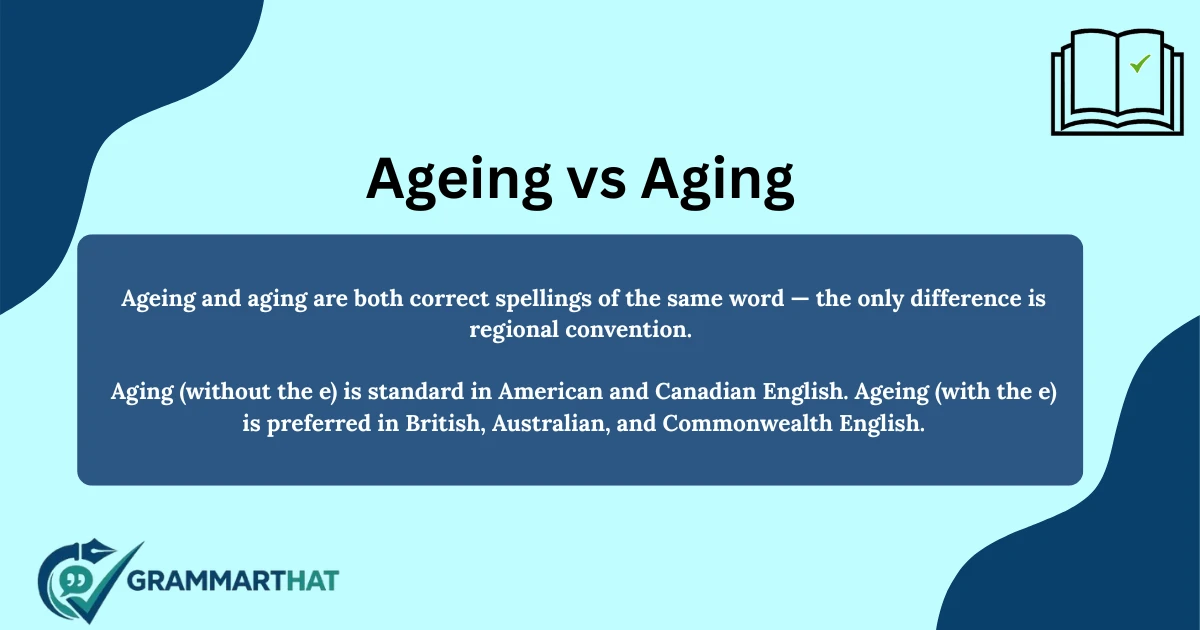
Ageing and aging are both correct spellings of the same word — the only difference is regional convention. Aging (without ...
Read moreEngrained vs Ingrained: What’s the Difference? 2026
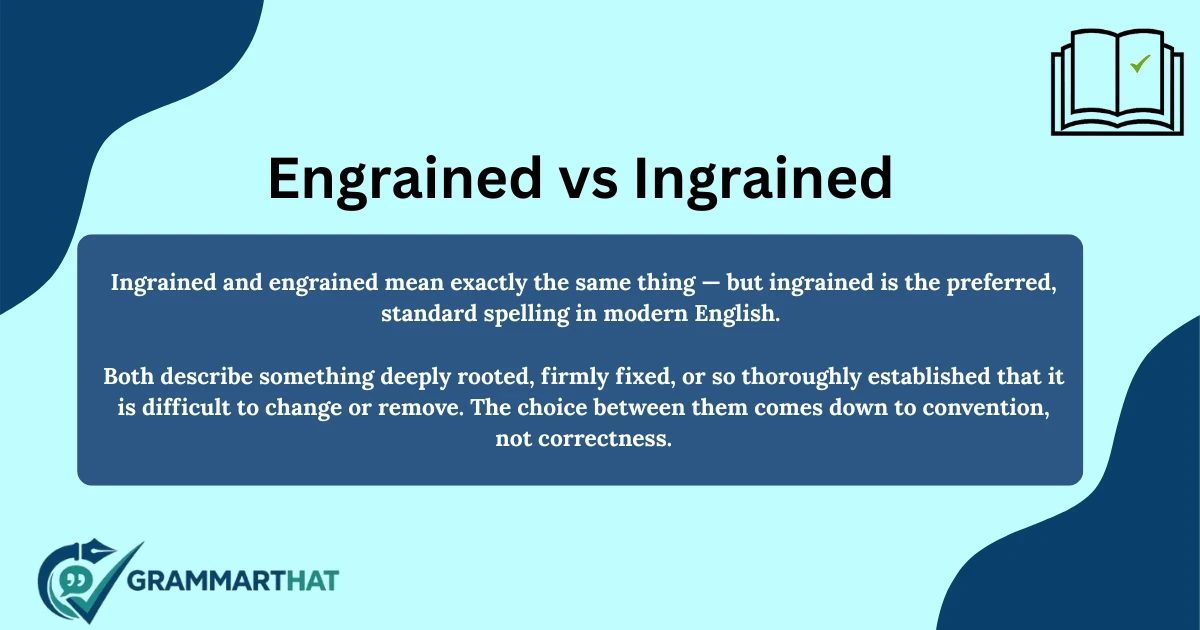
Ingrained and engrained mean exactly the same thing — but ingrained is the preferred, standard spelling in modern English. Both ...
Read moreSome of Whom or Some of Who: Which Is Correct? 2026
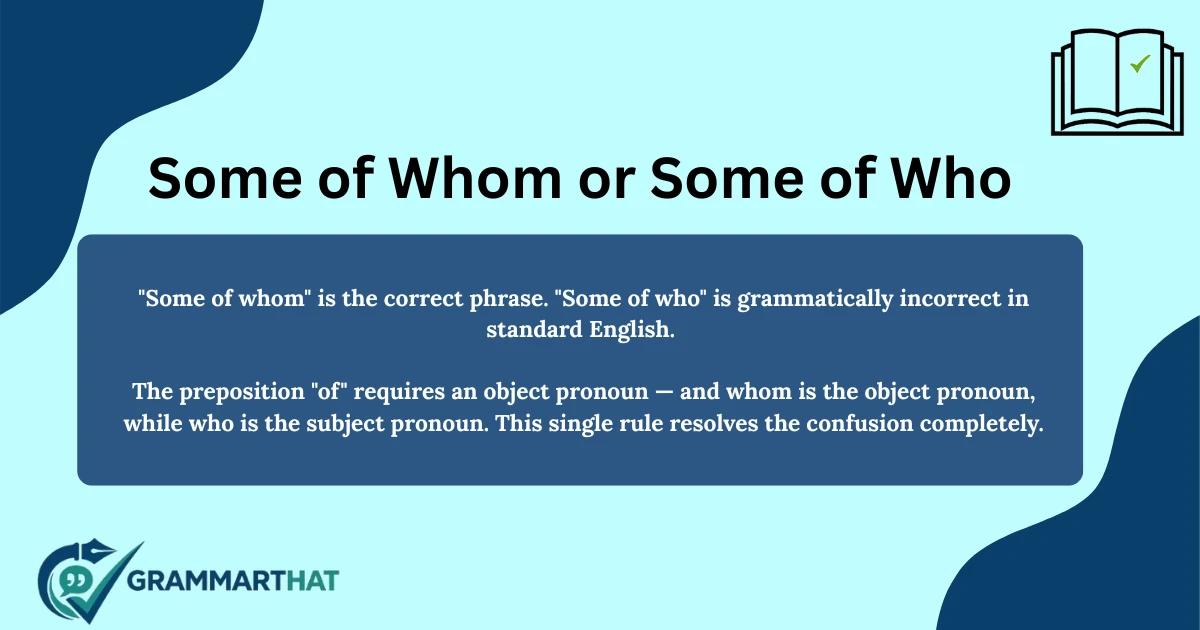
“Some of whom” is the correct phrase. “Some of who” is grammatically incorrect in standard English. The preposition “of” requires ...
Read morePropose vs Purpose: Meaning, Difference and Usage 2026
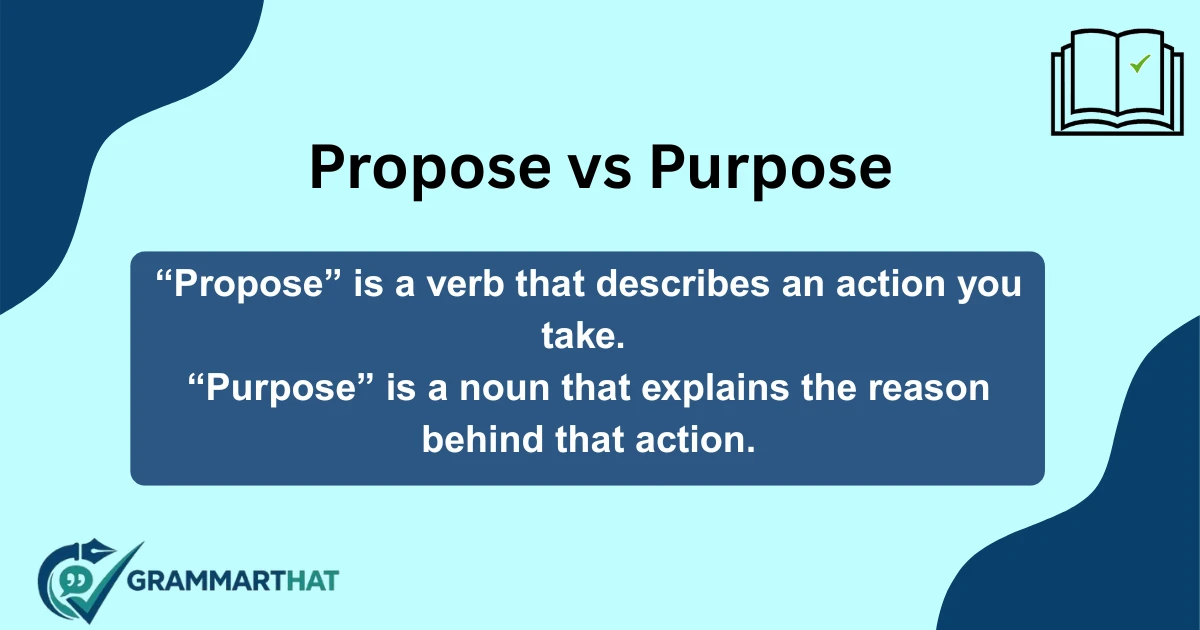
Propose and purpose look almost identical — but they play completely different roles in a sentence. Propose is a verb ...
Read more