Separate vs Seperate: Which Is Correct? 2026
Separate is the only correct spelling. Seperate — with an e in the middle instead of an a — is ...
Read moreSpatter vs Splatter: Meaning, Difference, and Correct Usage 2026
Spatter and splatter both describe liquid or substance scattering — but they describe it on different scales. Spatter refers to ...
Read moreElegy vs Eulogy: Meaning, Difference, and Correct Usage 2026
Elegy and eulogy both relate to honoring loss — but they are entirely different in form, purpose, and setting. An ...
Read moreDo Not vs Don’t: Meaning, Difference, and Correct Usage 2026
“Do not” and “don’t” mean exactly the same thing — but they carry different tones and belong in different contexts. ...
Read moreAccent vs Ascent vs Assent: Meaning, Difference, and Usage 2026
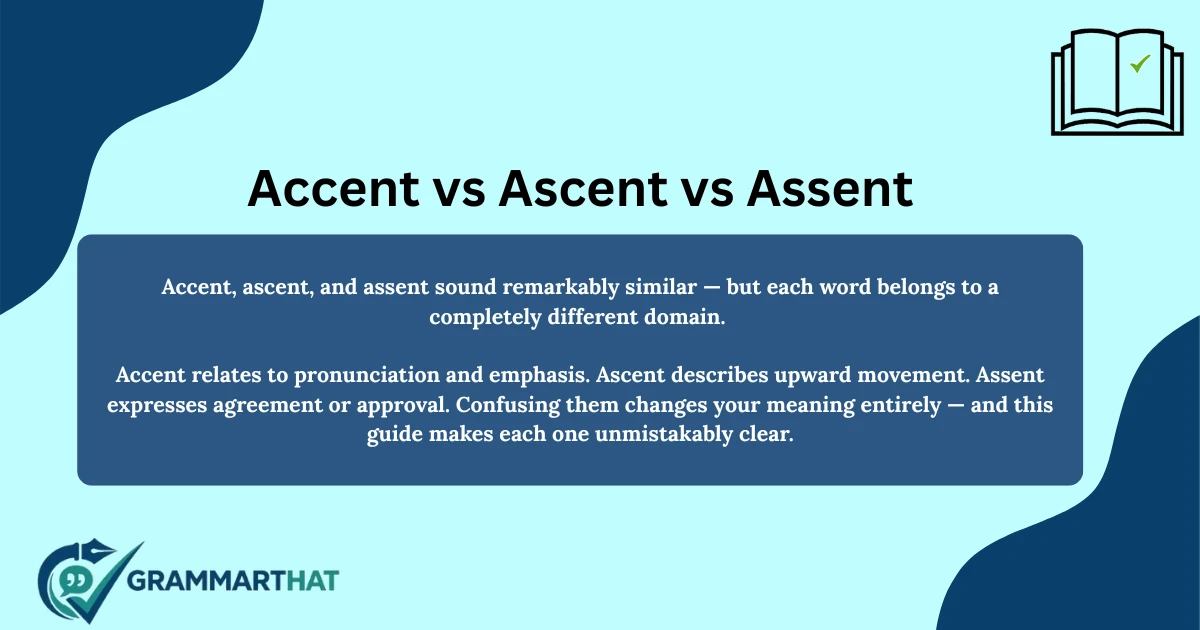
Accent, ascent, and assent sound remarkably similar — but each word belongs to a completely different domain. Accent relates to ...
Read moreUnalienable vs Inalienable: Meaning, Difference, and Usage 2026
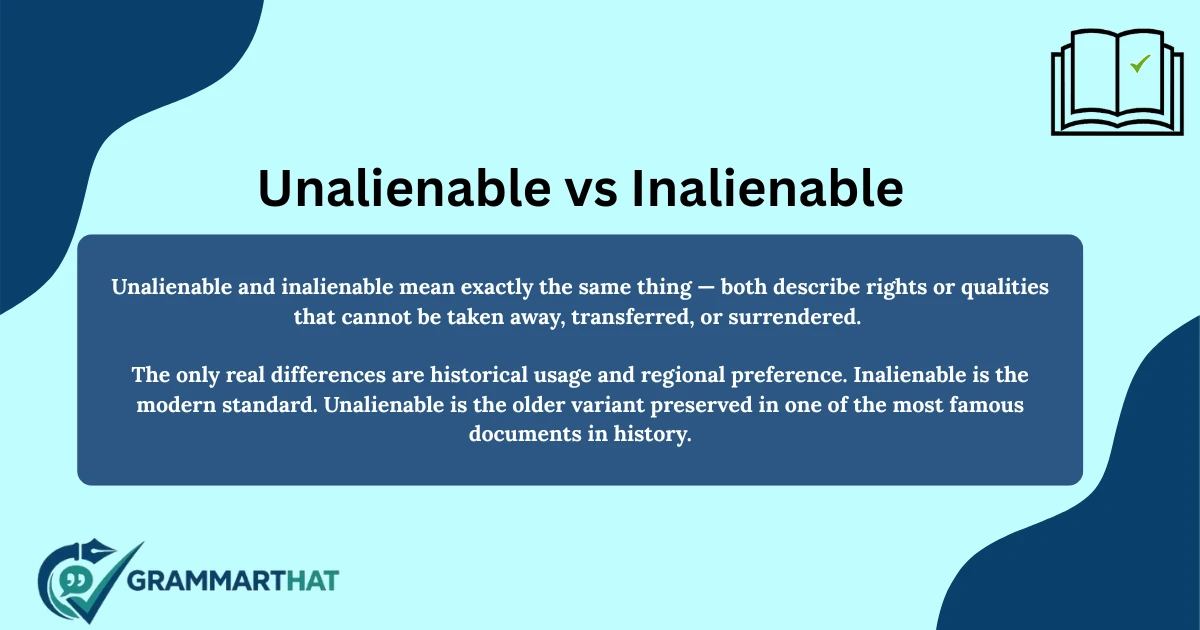
Unalienable and inalienable mean exactly the same thing — both describe rights or qualities that cannot be taken away, transferred, ...
Read moreIndolence vs Insolence: Meaning, Difference, and Usage 2026
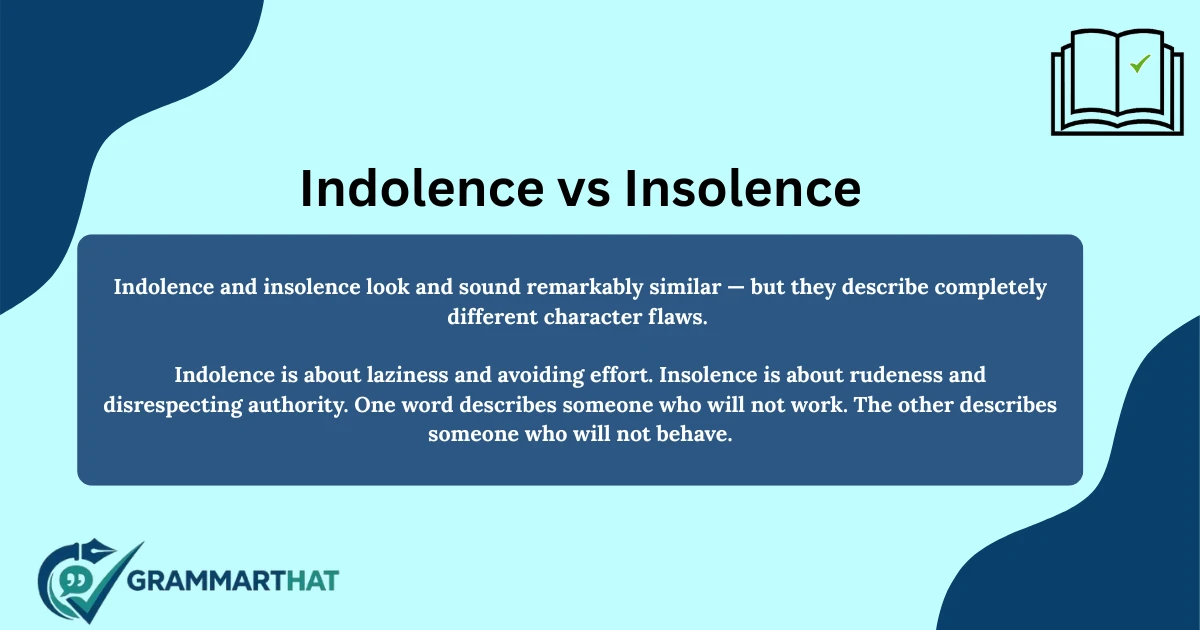
Indolence and insolence look and sound remarkably similar — but they describe completely different character flaws. Indolence is about laziness ...
Read moreForgo vs Forego: Meaning, Difference, and Correct Usage 2026
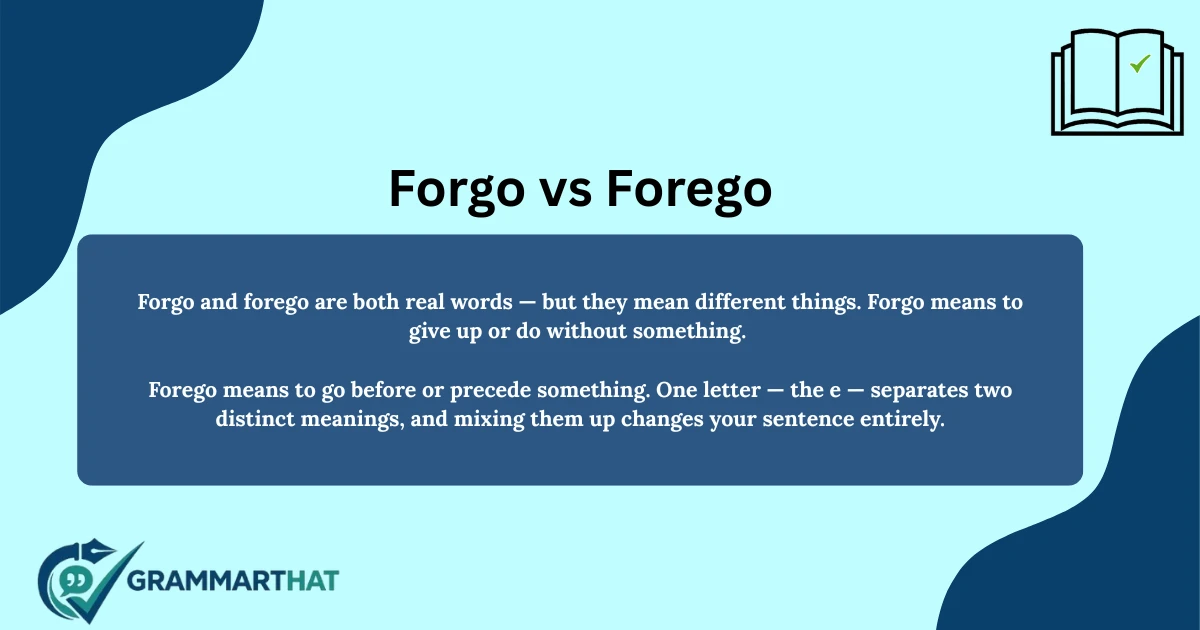
Forgo and forego are both real words — but they mean different things. Forgo means to give up or do ...
Read moreDie vs Dice: Meaning, Difference, and Correct Usage 2026
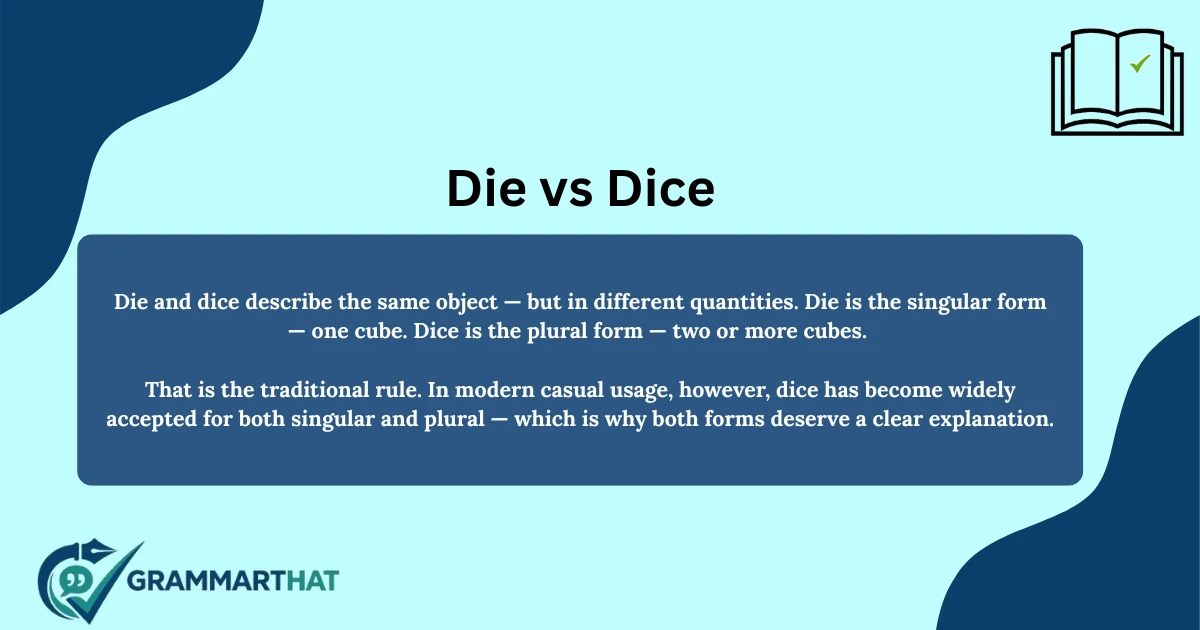
Die and dice describe the same object — but in different quantities. Die is the singular form, while dice is ...
Read moreCheckup or Check Up: Meaning, Difference, and Usage 2026
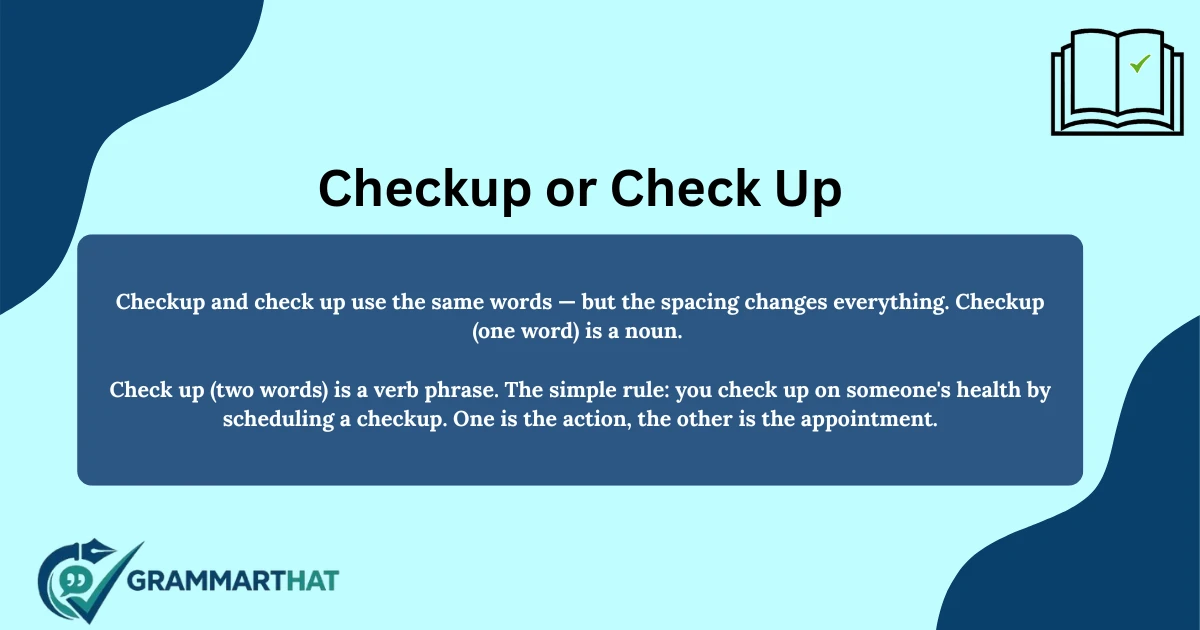
Checkup and check up use the same words — but the spacing changes everything. Checkup (one word) is a noun, ...
Read more