Cheque vs. Check: The Real Difference 2026
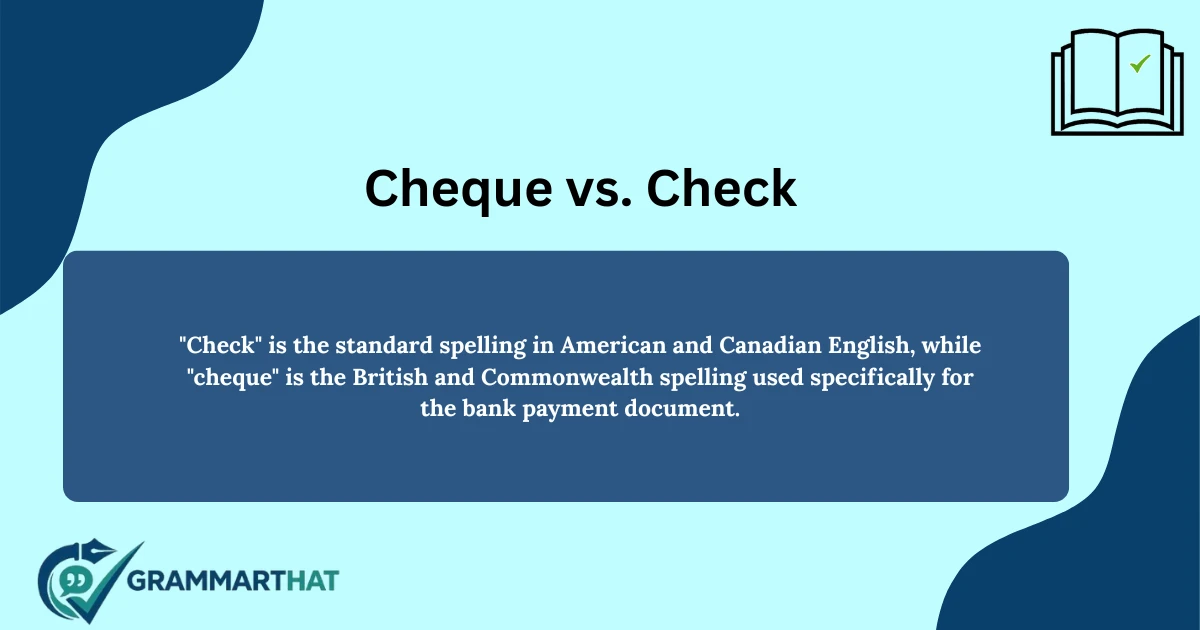
“Check” and “cheque” refer to the same bank payment document. Check is the American spelling, while cheque is used in ...
Read moreGood Morning or Goodmorning: Which One Is Correct? 2026
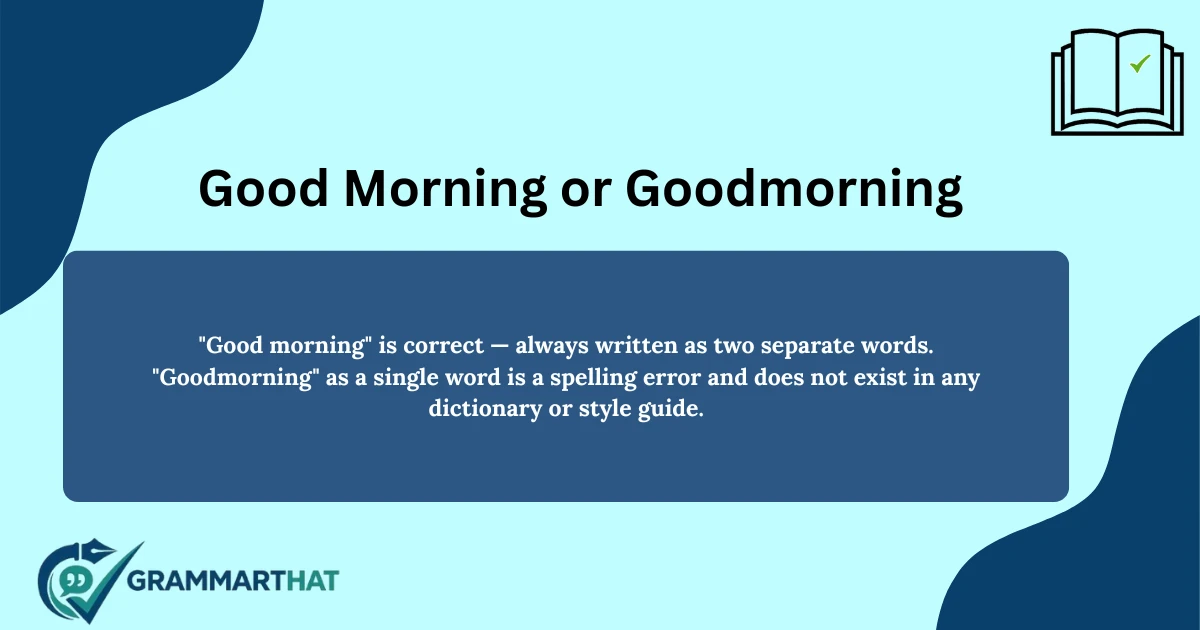
“Good morning” is correct — always written as two separate words. “Goodmorning” as a single word is a spelling error ...
Read moreSpoilt vs. Spoiled: The Real Difference 2026
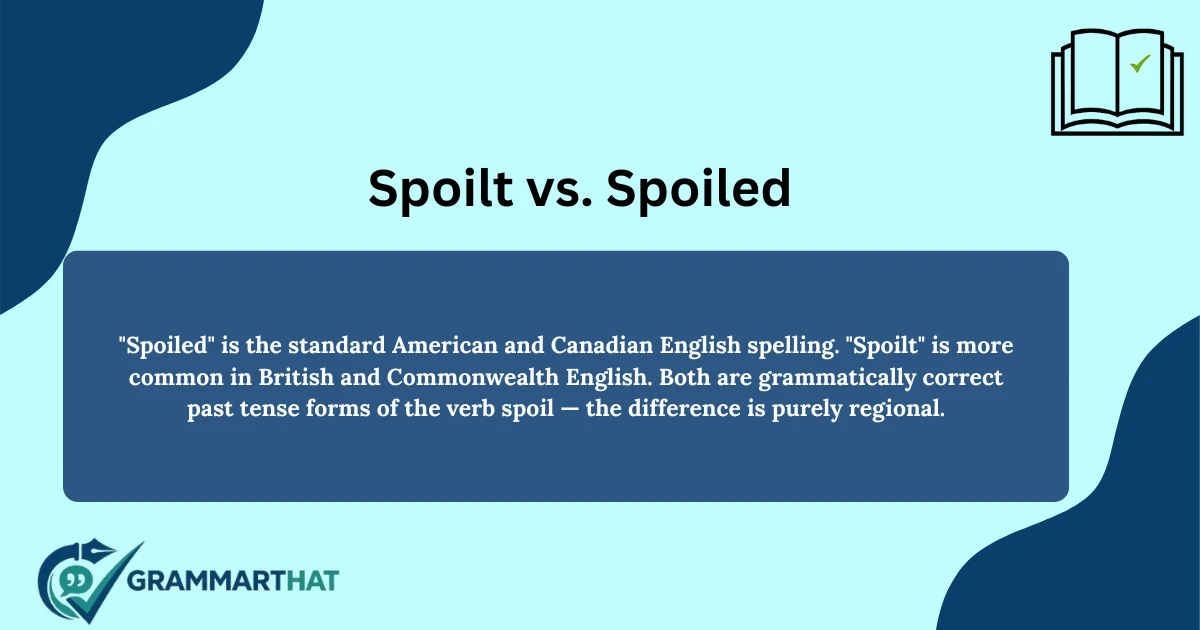
“Spoiled” is the standard spelling in American and Canadian English, while “spoilt” is more common in British and Commonwealth English. ...
Read moreAnalog vs. Analogue: The Real Difference 2026
“Analog” is the standard spelling in American and Canadian English, while “analogue” is preferred in British, Australian, and New Zealand ...
Read moreMold vs. Mould: The Spelling Difference 2026
“Mold” is the standard American English spelling, while “mould” is the preferred spelling in British, Australian, and New Zealand English. ...
Read moreTo Early or Too Early: Which Is Correct? 2026
“Too early” is always correct. “To early” is always wrong. In English, “too” means excessively, overly, or more than enough, ...
Read moreAnywhere or Any Where: Which Is Correct? 2026
“Anywhere” — written as one word — is always correct. “Any where” as two separate words is a spacing error ...
Read more24 Hours’ Notice or 24 Hour’s Notice: Which Is Correct? 2026
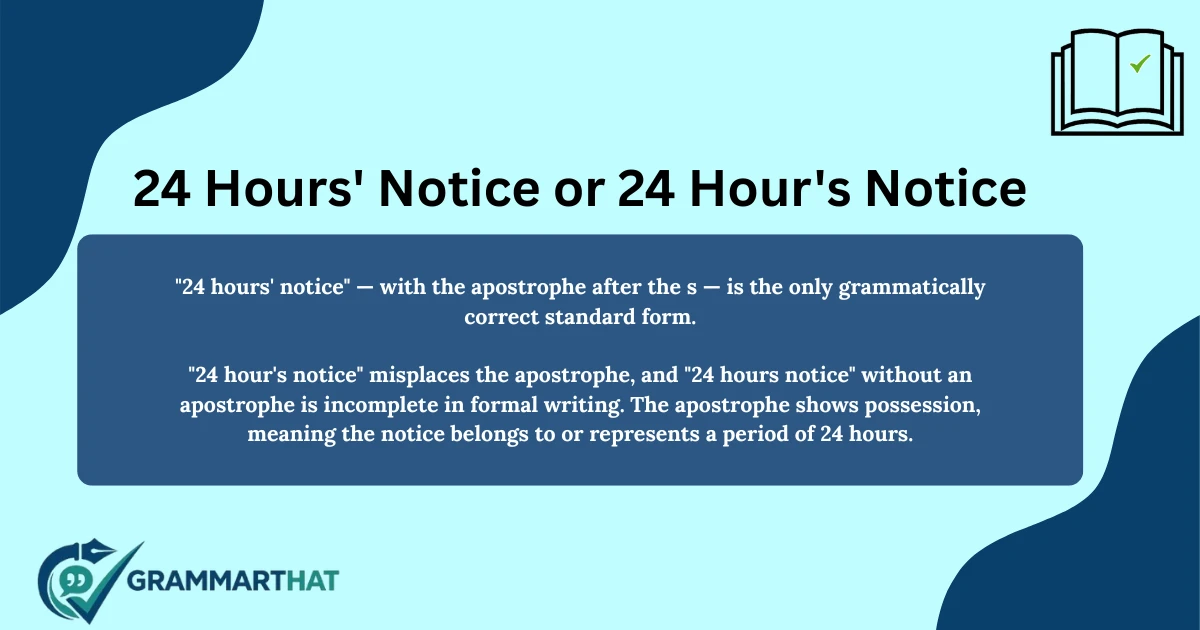
“24 hours’ notice” — with the apostrophe after the s — is the only grammatically correct standard form. “24 hour’s ...
Read morePajamas vs Pyjamas: Meaning, Spelling, and Correct Usage 2026
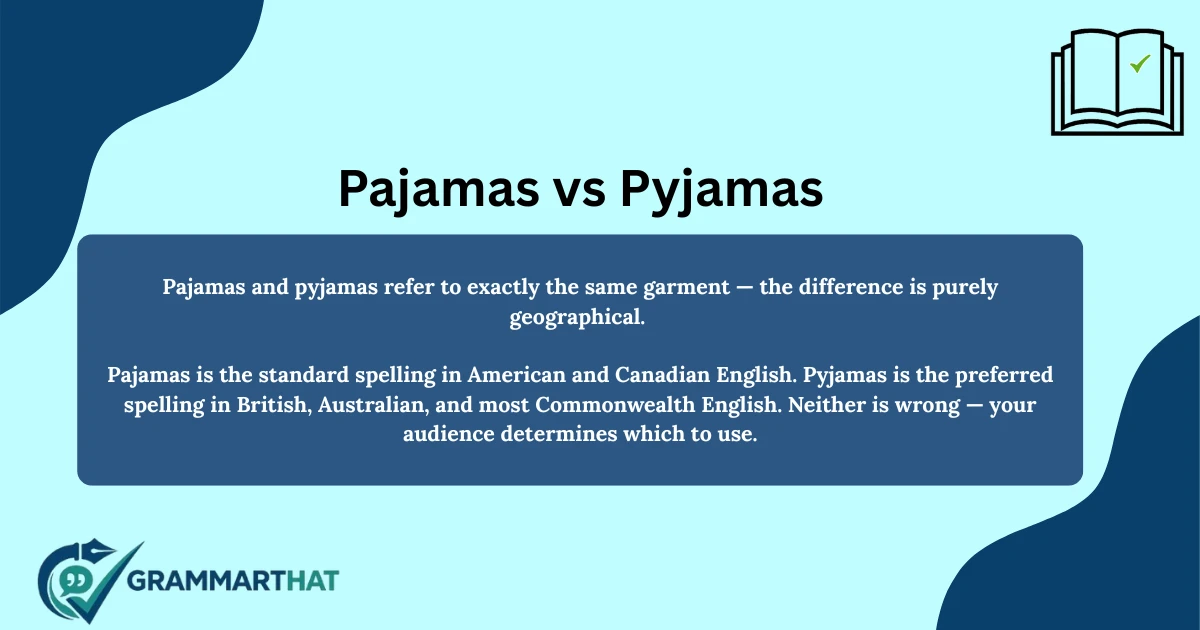
Pajamas and pyjamas refer to exactly the same garment — the difference is purely geographical. Pajamas is the standard spelling ...
Read moreSeparate vs Seperate: Which Is Correct? 2026
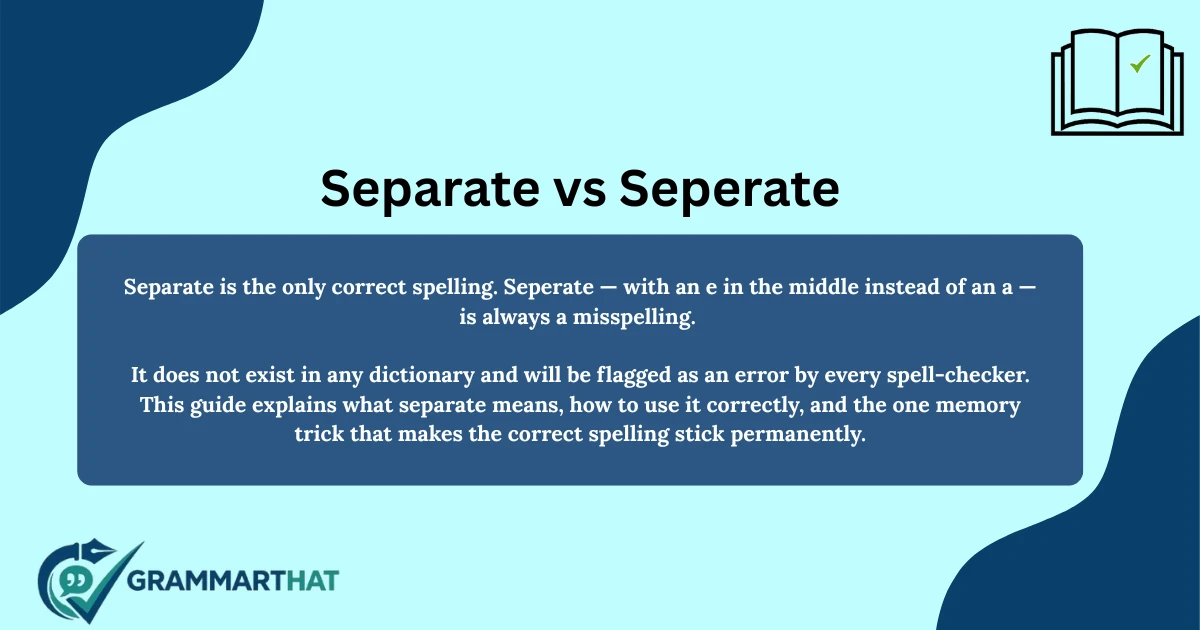
Separate is the only correct spelling. Seperate — with an e in the middle instead of an a — is ...
Read more