I Didn’t Do Nothing or I Didn’t Do Anything: Meaning & Usage 2026
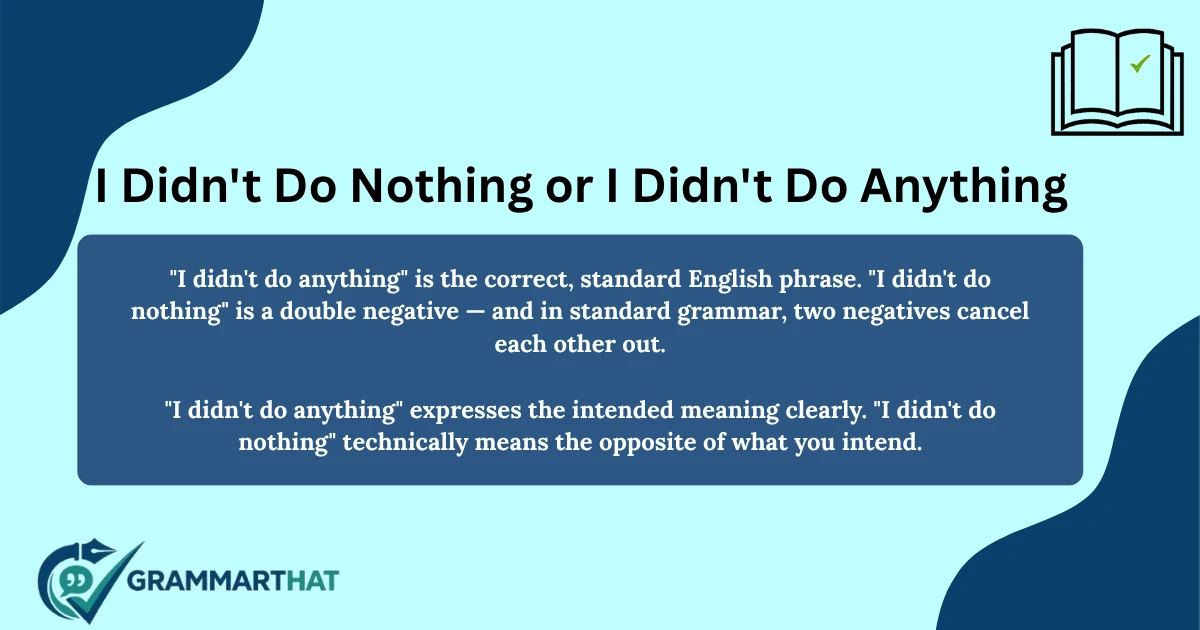
“I didn’t do anything” is the correct, standard English phrase. “I didn’t do nothing” is a double negative — and ...
Read moreTo Fast or Too Fast: Meaning, Difference, and Correct Usage 2026
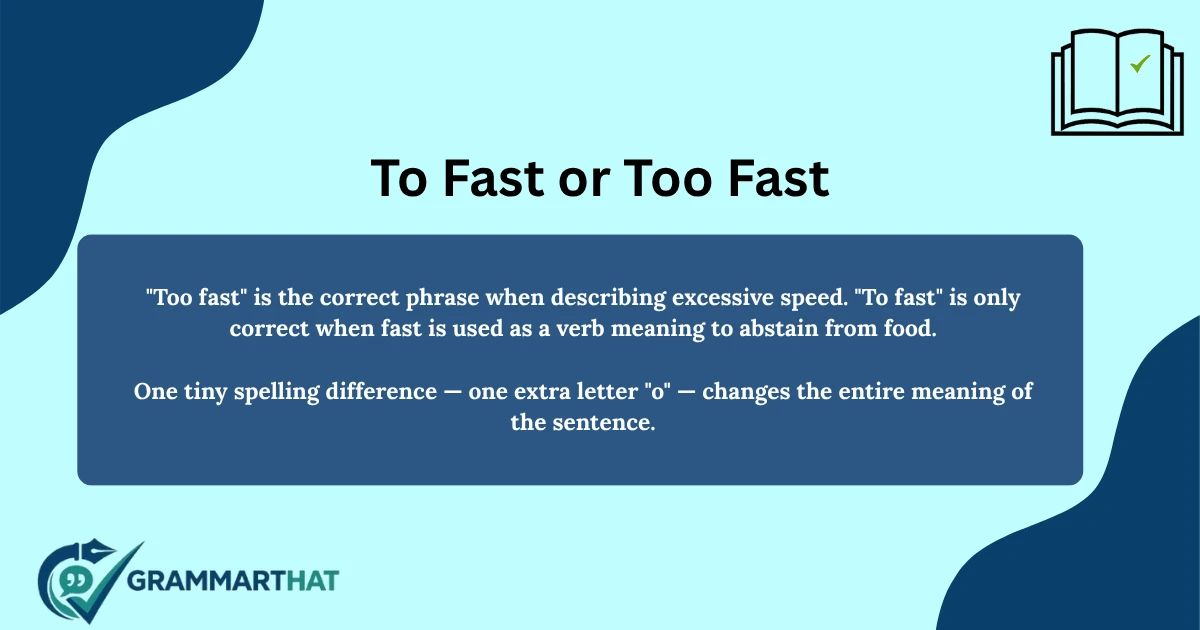
“Too fast” is the correct phrase when describing excessive speed. “To fast” is only correct when fast is used as ...
Read more“Soo” vs “So”: Meaning, Difference and Correct Usage 2026
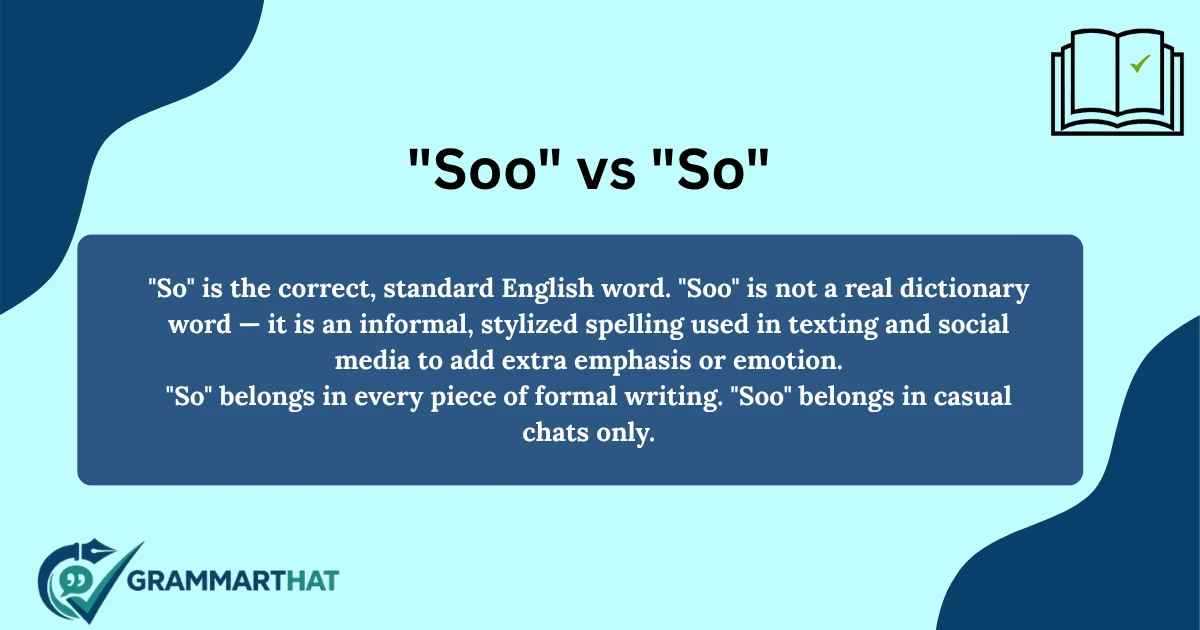
“So” is the correct, standard English word. “Soo” is not a real dictionary word — it is an informal, stylized ...
Read moreIt’s Called vs It Called: Meaning, Difference and Usage 2026
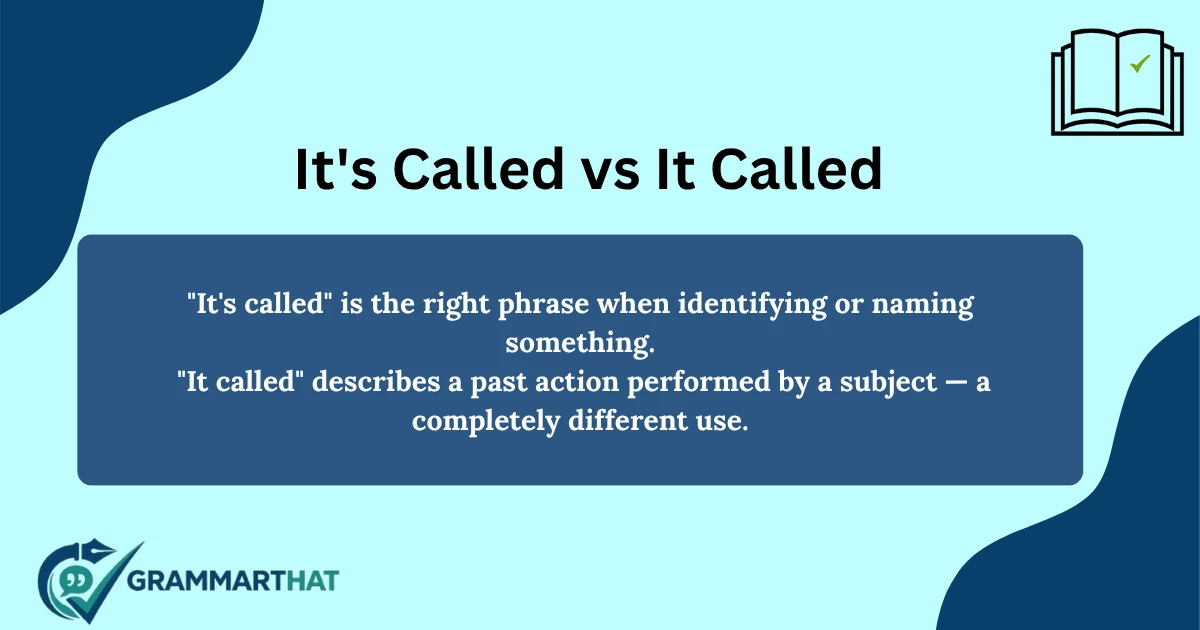
“It’s called” and “it called” look nearly identical — but one is correct for naming things and the other is ...
Read moreReevaluation vs Re-evaluation: Meaning, Difference & Usage 2026
Reevaluation and re-evaluation mean exactly the same thing — but the spelling choice depends on where you are writing and ...
Read moreTime Slot vs Timeslot: Meaning, Difference and Usage 2026
Time slot and timeslot mean the exact same thing — but one is more widely accepted than the other. Time ...
Read moreA Hilarious or An Hilarious: Meaning, Rule & Usage 2026
“A hilarious” is the correct, modern standard form. “An hilarious” is outdated and considered archaic in most English contexts today. ...
Read moreReorder or Re-order: Meaning, Spelling & Usage 2026
Reorder (one word) is the correct, modern standard spelling. Re-order (with a hyphen) was historically used but is now considered ...
Read moreHe Is Risen or He Has Risen: Meaning, Difference & Usage 2026

“He is risen” and “He has risen” both communicate the same essential message — but they do so from different ...
Read moreCompany-Wide or Companywide: Meaning, Spelling & Usage 2026
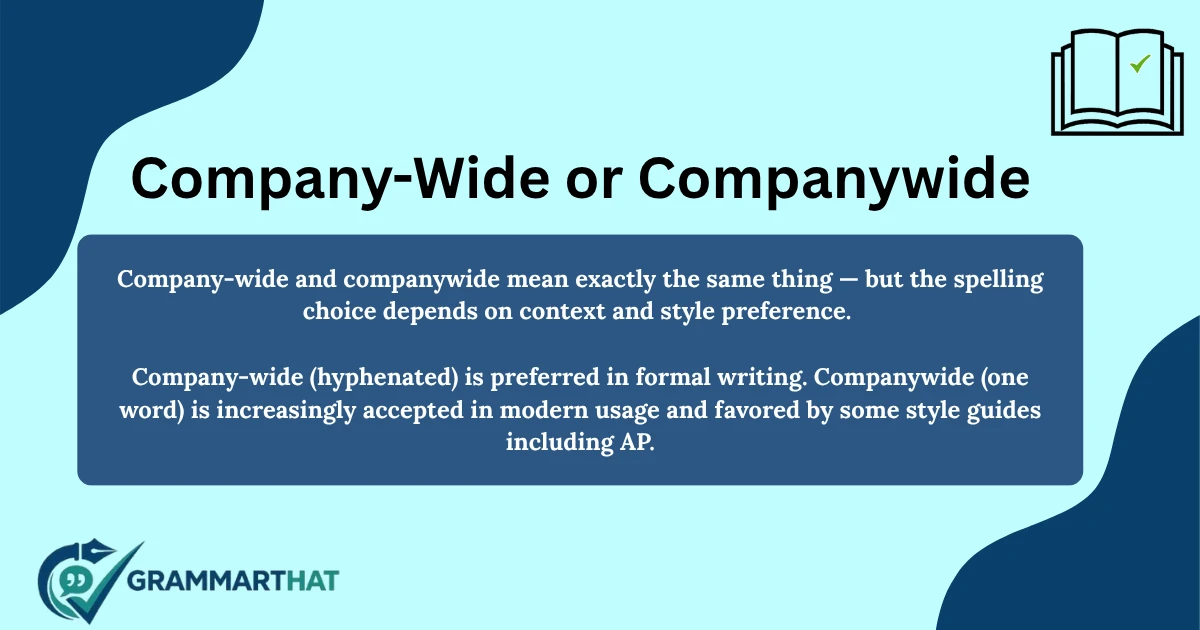
Company-wide and companywide mean exactly the same thing — but the spelling choice depends on context and style preference. Company-wide ...
Read more