What happens when modern technology meets the skies? Aviation technology represents one of the most complex and rapidly evolving fields in transportation, yet understanding its fundamentals is essential for anyone entering the industry. From the instruments pilots rely on to the systems that keep aircraft safe and efficient, aviation tech shapes every aspect of flight operations. This guide breaks down the core concepts that beginners need to know to navigate their career in aviation successfully.
How Aircraft Navigation Systems Work
Modern aircraft depend on sophisticated navigation systems to determine their precise location and maintain their intended flight path. These systems have evolved dramatically from the days of visual navigation and basic radio beacons. Today, aircraft use a combination of GPS technology, inertial reference systems, and ground-based navigation aids to maintain accuracy within meters during flight. Pilots and autopilot systems receive real-time position data that allows them to follow established routes and execute precise approaches in various weather conditions. Understanding how these systems integrate is fundamental for anyone working in flight operations, maintenance, or air traffic control. The redundancy built into modern navigation ensures that aircraft remain safely guided even if one system experiences a failure.
Communications Technology in the Cockpit
Effective communication forms the backbone of safe aviation operations. Pilots, air traffic controllers, and other personnel on the ground must exchange critical information clearly and without delay. Aircraft communicate using VHF radio frequencies that operate on specific channels assigned to different geographic regions and functions. Modern communication systems include noise-filtering technology that helps pilots hear critical instructions even in challenging acoustic environments. Digital data link systems now supplement traditional radio communication, allowing text-based transmissions of flight plans, weather updates, and clearances. For newcomers to aviation, grasping how these communication protocols work reveals why precise terminology and standardized phraseology matter so much in the industry.
Engine Monitoring and Performance Systems
The engines that power aircraft are subject to continuous monitoring through an array of sensors and display systems. These instruments measure parameters like engine temperature, fuel pressure, vibration levels, and oil conditions in real time. Pilots and maintenance technicians use this data to assess engine health and make critical decisions about continuing flight or returning to an airport for service. Modern aircraft generate enormous amounts of engine data during each flight, which operators collect and analyze to predict maintenance needs before problems develop. This predictive maintenance approach reduces unexpected downtime and enhances safety by catching wear patterns early. Digital engine monitoring systems have become so advanced that they can detect subtle changes in performance that might escape human observation.
Avionics and Autopilot Technology
Avionics refers to the electronic systems installed in aircraft, ranging from basic instruments to complex flight management computers. Modern avionics integrate navigation, communication, and flight control information into unified displays that pilots can customize for different phases of flight. Autopilot systems use data from these avionics to control the aircraft’s pitch, roll, and yaw, allowing pilots to focus on decision-making and system monitoring during long flights. These systems operate within carefully defined parameters and always remain under pilot authority and override capability. Understanding avionics terminology and functions helps crew members manage workload effectively and respond appropriately when systems require manual intervention. The sophistication of modern avionics has transformed the pilot’s role from primarily manual control to system management and decision-making.
Maintenance and Diagnostics Technology
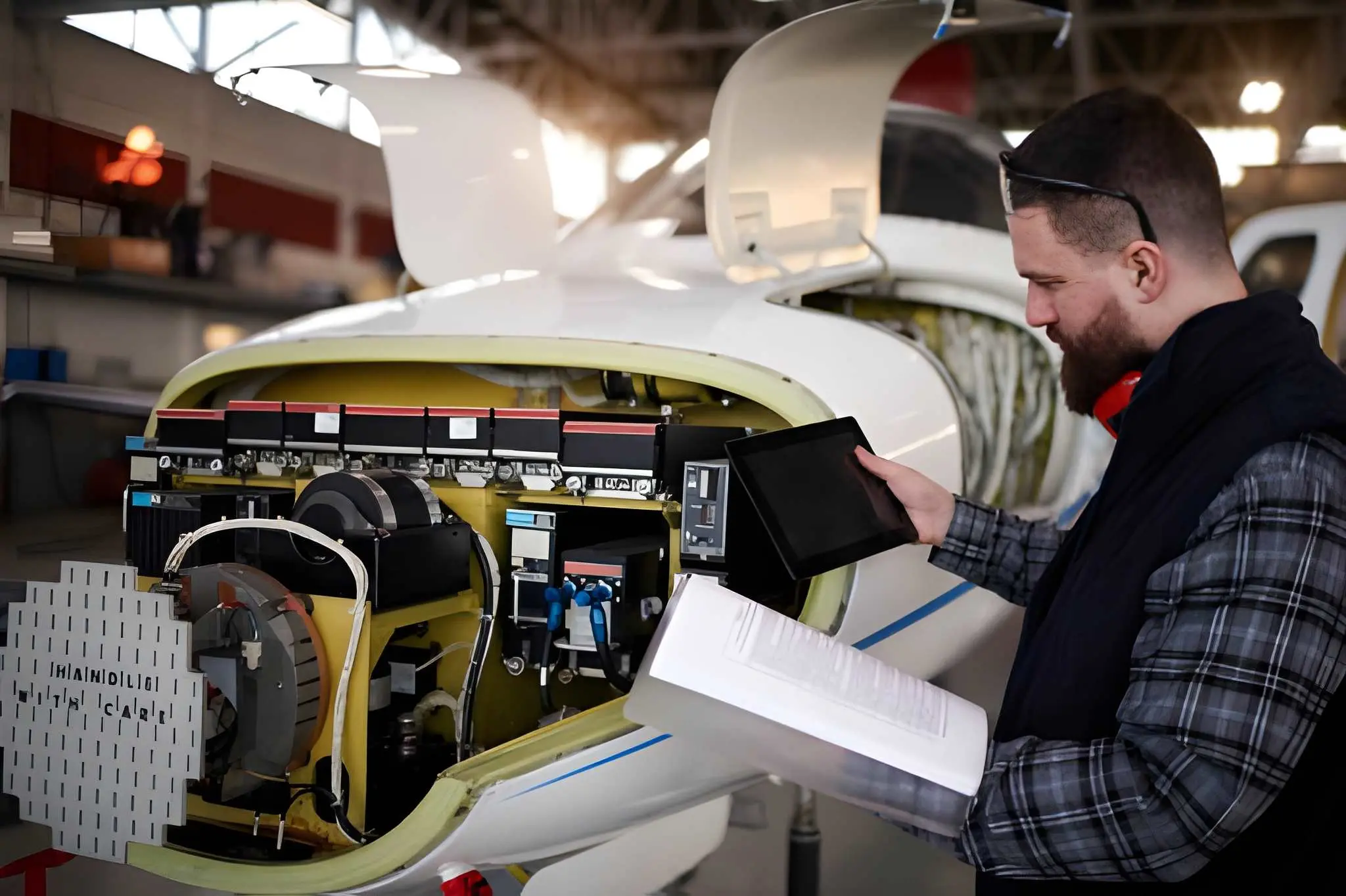
Aircraft maintenance relies increasingly on sophisticated diagnostic tools that can identify issues before they develop into safety problems. Modern maintenance software tracks component usage, monitors component health, and schedules maintenance according to actual condition rather than only time-based intervals. Technicians use computerized diagnostic systems to interpret the thousands of parameters that aircraft systems generate during operation. These tools connect to aircraft data networks and can sometimes resolve issues remotely or provide maintenance crews with precise guidance for repairs. The shift toward condition-based maintenance has improved aircraft availability while enhancing safety outcomes across the industry. For maintenance professionals entering aviation, learning to work with these diagnostic systems represents an essential skill that distinguishes modern aviation maintenance from earlier practices.
Ground Support Equipment and Aircraft Movement
Technology on the ground plays just as critical a role as the systems in the air. Moving aircraft safely around hangars, ramps, and maintenance areas requires specialized ground support equipment designed to protect both the aircraft and the personnel operating it. When ground crews reposition aircraft in tight spaces or during towing operations, selecting the correct aircraft towbar head ensures a secure, compatible connection to the nose gear that prevents structural stress and keeps the towing process controlled and safe. Ground support equipment has advanced considerably alongside flight technology, with many modern towing systems incorporating load-sensing mechanisms and ergonomic designs that reduce operator fatigue during repetitive hangar movements. For newcomers to aviation operations, understanding how ground equipment integrates with aircraft handling procedures is a foundational part of ramp safety and overall airfield efficiency.
Weather and Environmental Systems
Aircraft encounter countless weather-related challenges during operations, making weather monitoring technology essential to flight safety. Modern aircraft carry radar systems that detect precipitation and storm activity ahead of the aircraft, allowing pilots to navigate around dangerous weather. Lightning detection systems help crews understand the electrical activity around their aircraft, and wind shear detection equipment warns of dangerous wind conditions during approach and landing. Ground-based weather monitoring networks feed real-time atmospheric data to pilots and dispatchers who use this information to plan routes and make go-or-no-go decisions. Environmental monitoring extends beyond weather to include engine intake contamination detection and volcanic ash identification systems. The integration of weather technology with navigation and communication systems creates a comprehensive safety picture that modern aviation depends on.
Conclusion
Aviation technology encompasses numerous interconnected systems that work together to enable safe, efficient flight operations. Beginners in the industry benefit enormously from understanding how navigation, communication, engine monitoring, avionics, maintenance diagnostics, ground support equipment, and environmental systems function both independently and as part of the larger aviation ecosystem. As technology continues to advance, professionals who grasp these foundational concepts position themselves for long-term success and the ability to adapt to emerging systems and innovations. The aviation industry values individuals who combine technical knowledge with practical problem-solving skills, making comprehensive tech literacy an investment in any aviation career.
Also Read
- Innate vs. Enate Homophones: Spelling & Definition
- NSFW Meaning in Text: Usage, Examples & More
- Inclosed vs Enclosed: What’s the Real Difference?