Savor vs Saver: Meaning, Difference, and Correct Usage 2026
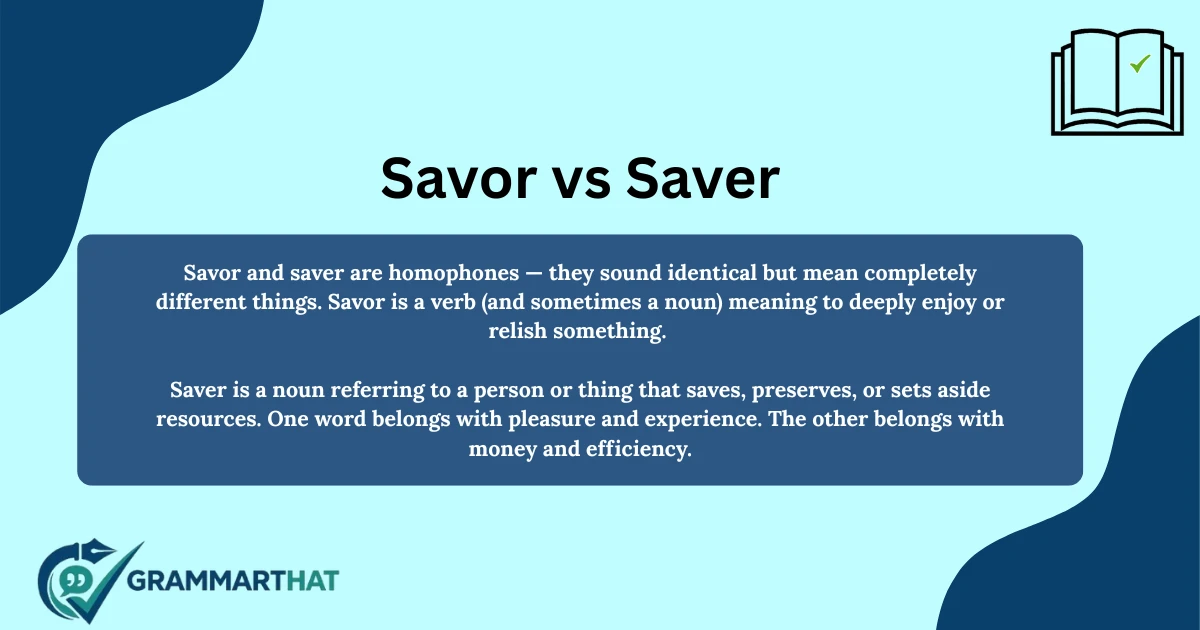
Savor and saver are homophones — they sound identical but mean completely different things. Savor is a verb (and sometimes ...
Read moreMarquee vs Marquis: Meaning, Usage & Examples 2026
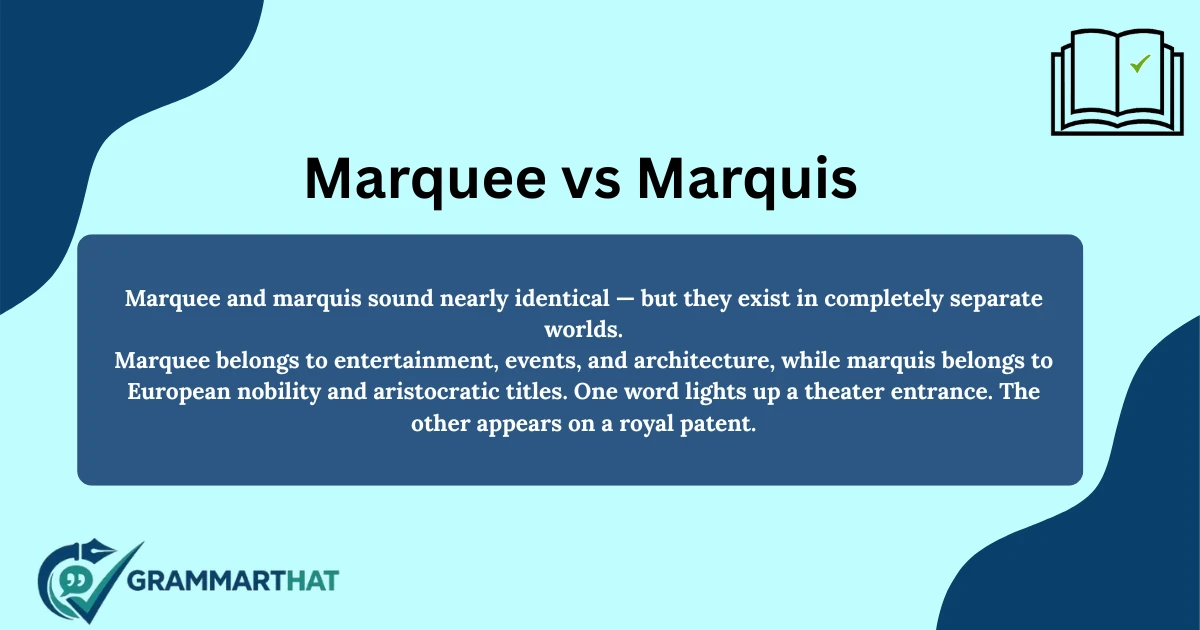
Marquee and marquis sound nearly identical — but they exist in completely separate worlds. Marquee belongs to entertainment, events, and ...
Read moreHastle or Hassle: Which Is Correct? 2026
Hassle is the only correct spelling. Hastle does not exist in standard English — it is not found in any ...
Read moreContinuous vs Continous: Spelling, Meaning, and Usage 2026

Continuous is the only correct spelling. Continous — missing the u — is always a misspelling. It does not exist ...
Read moreTortuous vs Torturous: Meaning, Difference, and Usage 2026
Tortuous and torturous look almost identical — but they describe completely different experiences. Tortuous means full of twists, bends, or ...
Read moreLoot vs Lute: Meaning, Difference, and Correct Usage 2026
Loot and lute are perfect homophones — they sound exactly alike but mean completely different things. Loot refers to stolen ...
Read moreTear vs Tare: Meaning, Difference, and Correct Usage 2026
Tear and tare are homophones in one pronunciation — they can sound the same but mean completely different things. Tear ...
Read moreAttain vs Obtain: Meaning, Difference, and Correct Usage 2026
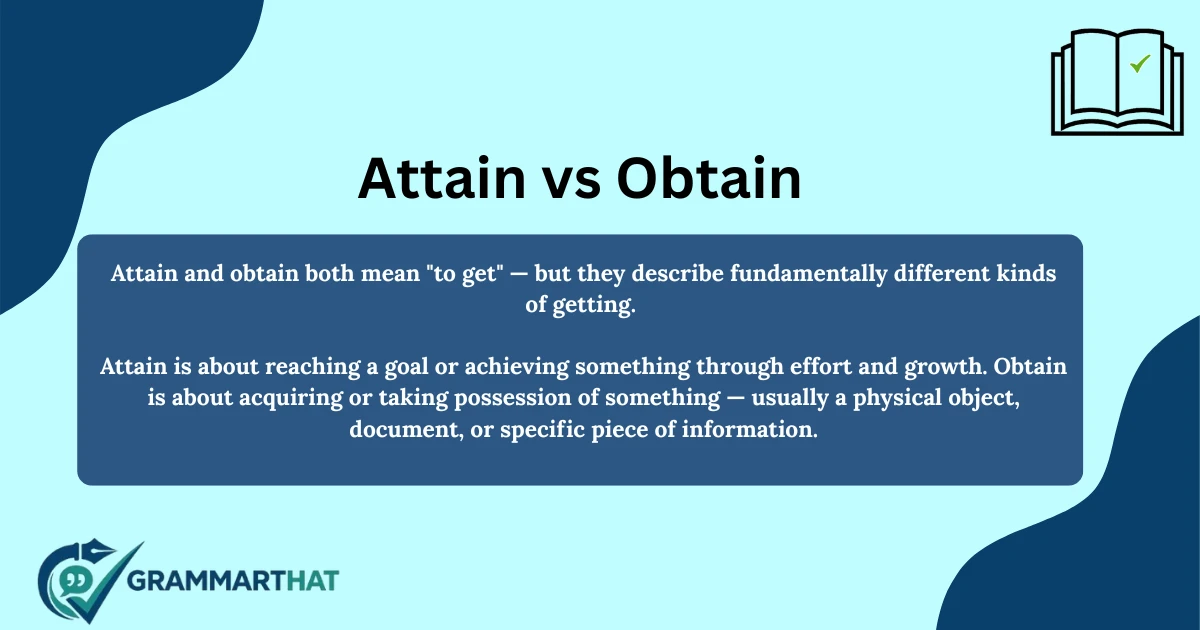
Attain and obtain both mean “to get” — but they describe fundamentally different kinds of getting. Attain is about reaching ...
Read moreThus Far vs So Far: Meaning, Difference, and Correct Usage 2026
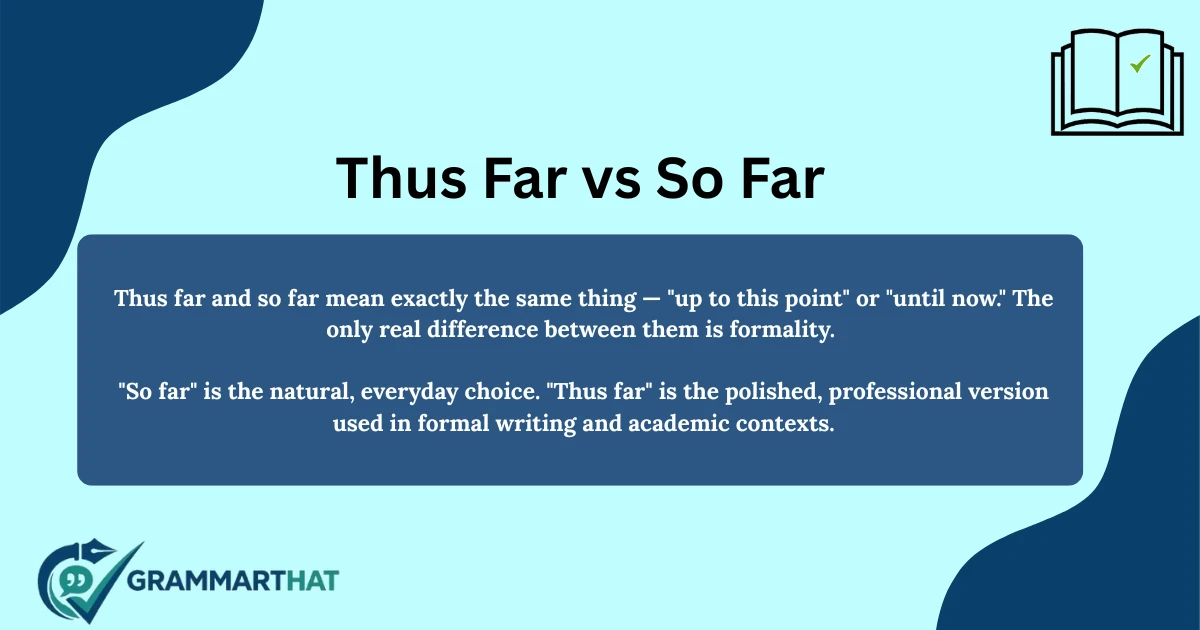
Thus far and so far mean exactly the same thing — “up to this point” or “until now.” The only ...
Read moreFull Proof or Foolproof: Meaning, Spelling, and Usage 2026
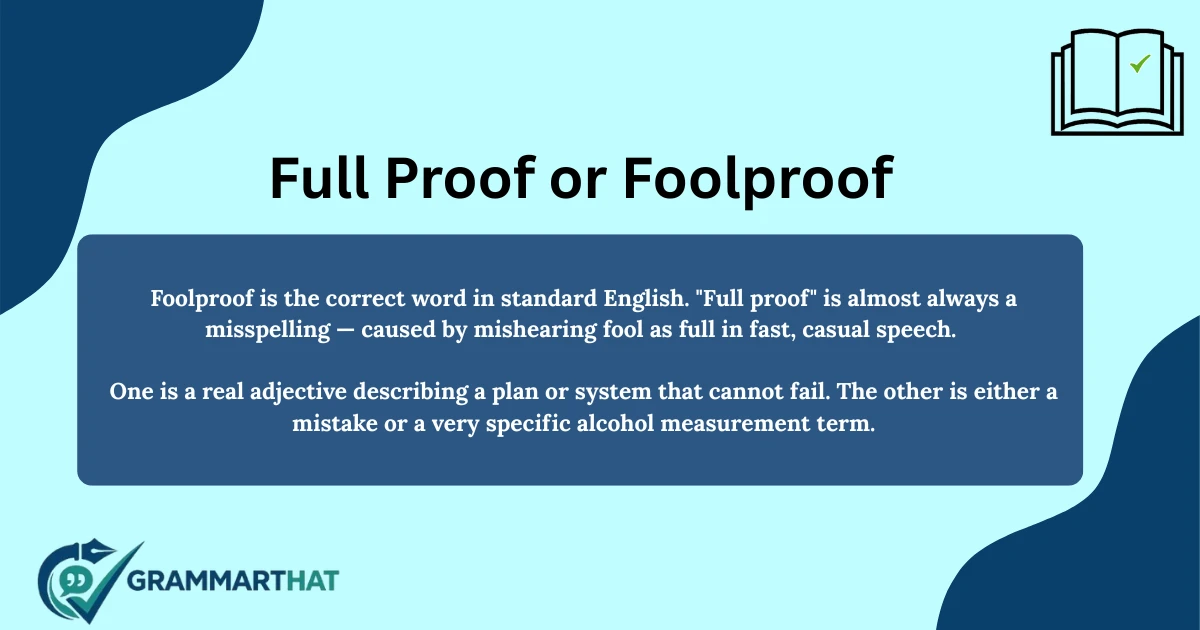
Foolproof is the correct word in standard English. “Full proof” is almost always a misspelling — caused by mishearing fool ...
Read more