Who to Contact or Whom to Contact: Meaning & Usage 2026
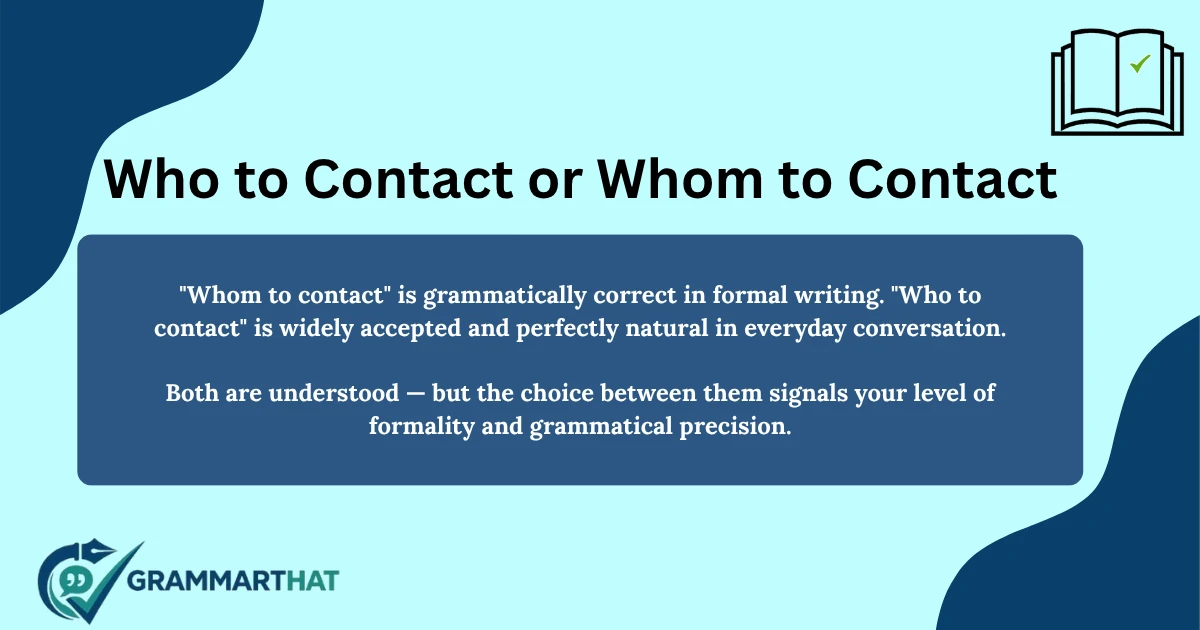
“Whom to contact” is grammatically correct in formal writing. “Who to contact” is widely accepted and perfectly natural in everyday ...
Read moreInput or Imput: Meaning, Spelling, and Correct Usage 2026
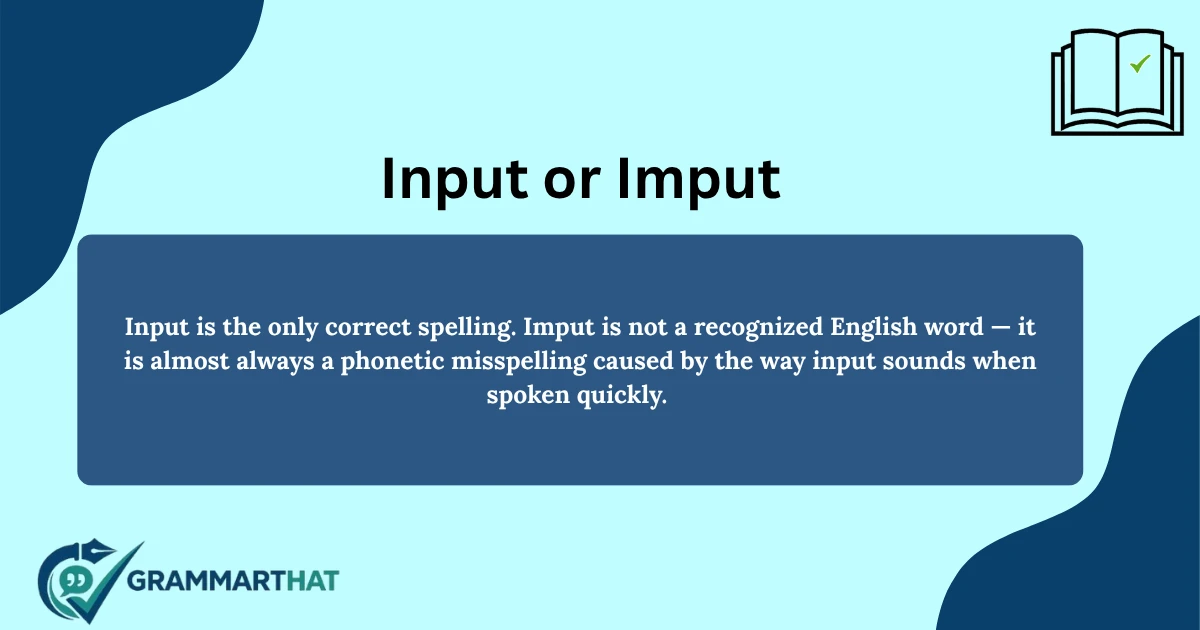
Input is the only correct spelling. Imput is not a recognized English word — it is almost always a phonetic ...
Read moreIn the Street or On the Street: Meaning, Difference & Usage 2026
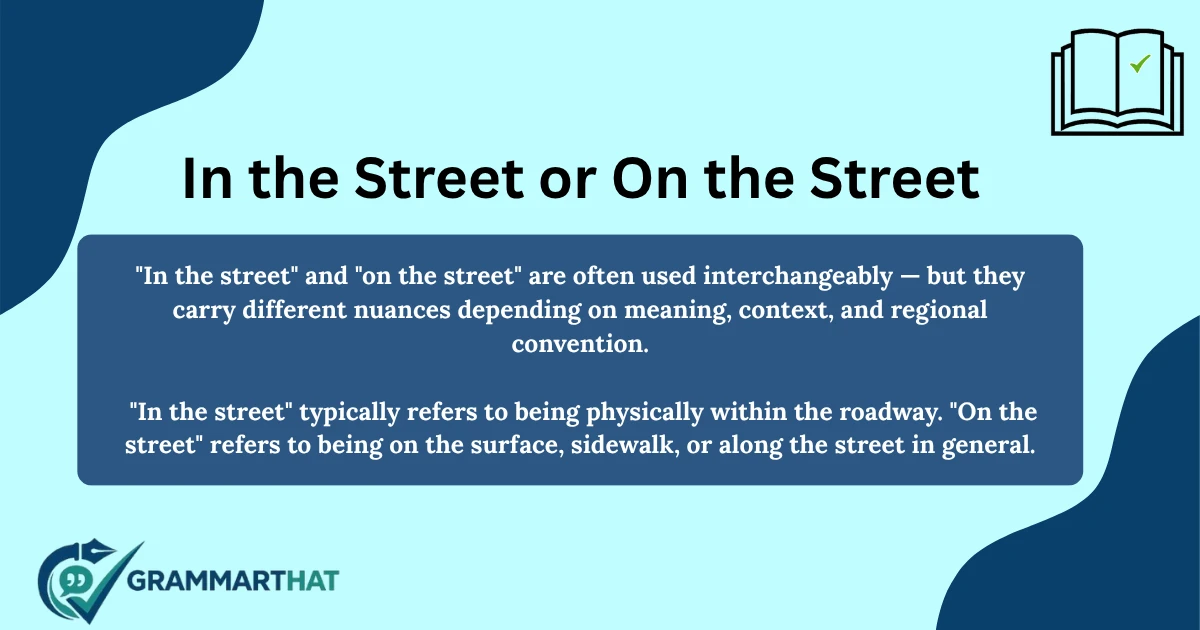
“In the street” and “on the street” are often used interchangeably — but they carry different nuances depending on meaning, ...
Read moreThats or That’s: Meaning, Spelling, and Correct Usage 2026
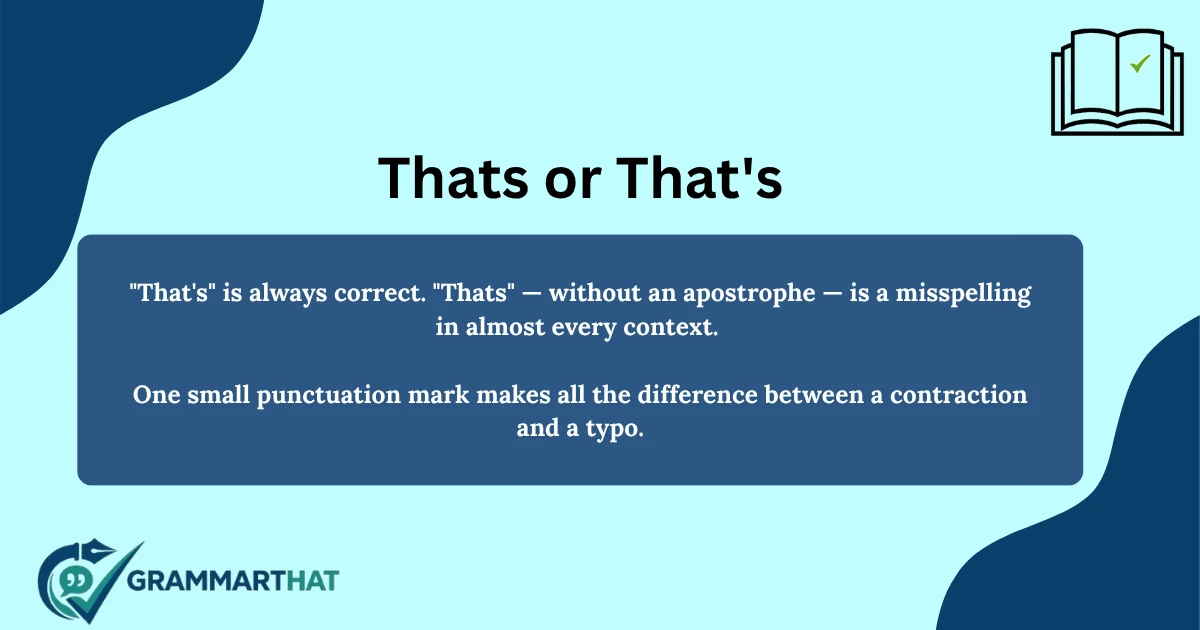
“That’s” is always correct. “Thats” — without an apostrophe — is a misspelling in almost every context. One small punctuation ...
Read moreShe Has or She Have: Meaning, Difference & Usage 2026
“She has” is correct. “She have” is not — at least not on its own. The verb have changes form ...
Read moreAny Problem or Any Problems: Meaning, Difference & Usage 2026
Both “any problem” and “any problems” are grammatically correct — but they are not always interchangeable. “Any problems” is the ...
Read moreLeapt or Leaped: Meaning, Difference and Correct Usage 2026
Leapt and leaped are both correct — they are two accepted past tense forms of the same verb leap. The ...
Read moreGiving or Given: Meaning, Difference, and Correct Usage 2026
“Giving” and “given” both come from the same verb — give — but they work completely differently in a sentence. ...
Read more“At the House” vs “In the House”: Meaning & Usage 2026
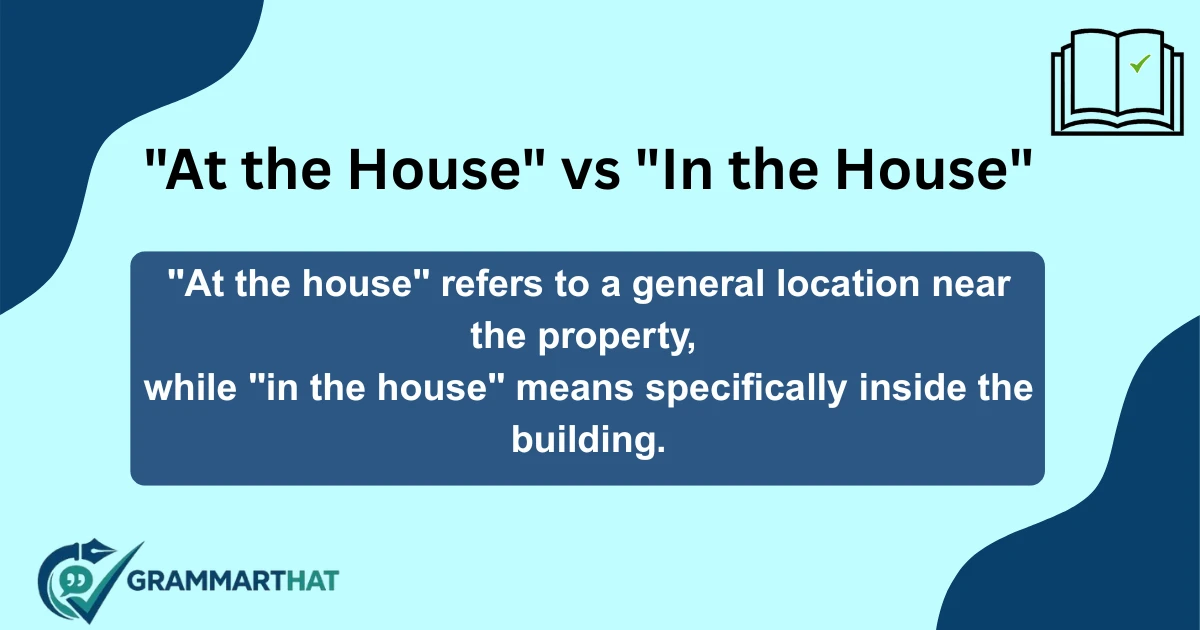
Both “at the house” and “in the house” are grammatically correct — but they mean different things. “At the house” ...
Read morePropose vs Purpose: Meaning, Difference and Usage 2026
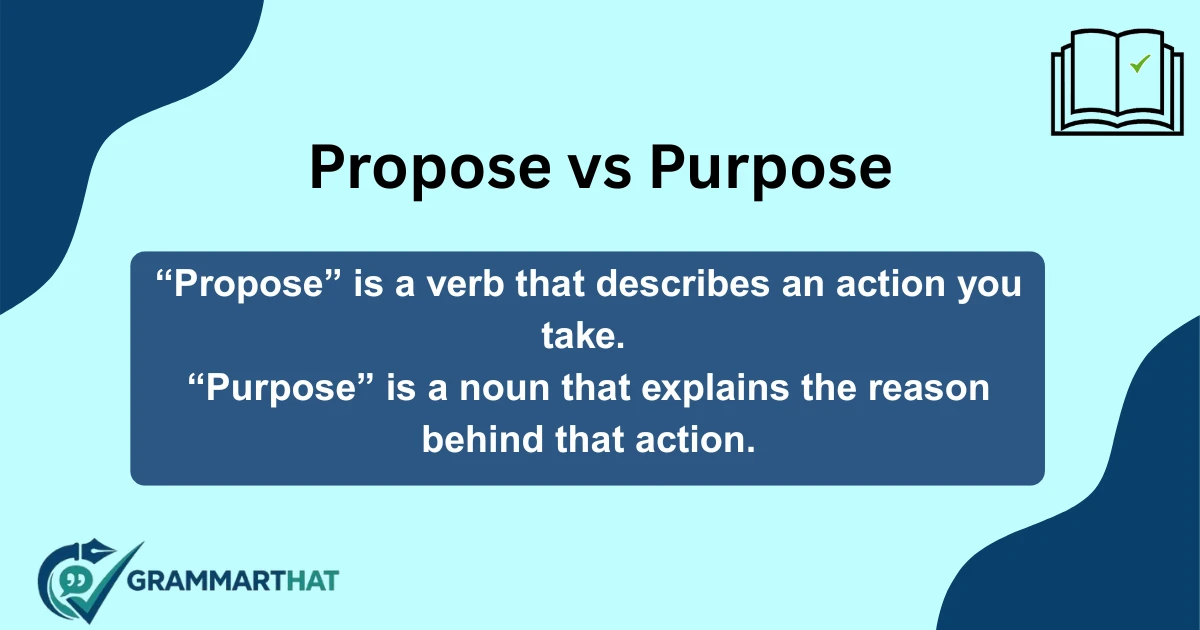
Propose and purpose look almost identical — but they play completely different roles in a sentence. Propose is a verb ...
Read more